Navigating Hypertension: Foods and Drinks to Limit for Blood Pressure Control
As a physician, one of the most common conditions I manage in my practice is hypertension, or high blood pressure. This is something I discuss with my patients regularly because uncontrolled hypertension can lead to serious health problems like heart disease, stroke, and kidney failure. While medication is often necessary, lifestyle modifications, particularly dietary changes, play a crucial role in managing blood pressure. Let me explain this in detail because it’s critical to understand which foods and drinks can negatively impact your blood pressure and what you can do to make healthier choices.
The key point I want to emphasize is that managing hypertension is a collaborative effort between you and your healthcare provider. Dietary changes are a powerful tool, but they work best when combined with regular medical check-ups and, if necessary, medication. Let’s walk through what happens in the body when blood pressure is elevated.
Understanding Hypertension: A Brief Overview
Hypertension is defined as having a systolic blood pressure (the top number) of 130 mmHg or higher, or a diastolic blood pressure (the bottom number) of 80 mmHg or higher. It’s important to understand that blood pressure isn’t static; it fluctuates throughout the day based on activity, stress, and even the time of day. However, consistently elevated blood pressure puts a strain on your heart and blood vessels.
The pathophysiology of hypertension is complex and multifactorial. It often involves a combination of genetic predisposition, lifestyle factors, and underlying medical conditions. Some key mechanisms include:
- Increased blood volume: Higher sodium intake can lead to increased fluid retention, raising blood volume and pressure.
- Vasoconstriction: Certain substances can cause blood vessels to narrow, increasing resistance to blood flow and elevating blood pressure.
- Hormonal imbalances: Hormones like angiotensin and aldosterone play a role in regulating blood pressure. Imbalances can contribute to hypertension.
- Endothelial dysfunction: Damage to the inner lining of blood vessels can impair their ability to relax, leading to increased blood pressure.
From my clinical experience with patients, I’ve found that many are surprised to learn how significantly diet impacts blood pressure. What I tell my patients is this: food isn’t just fuel; it’s information that tells your body how to function. And when it comes to hypertension, some foods send the wrong signals.
1. High-Sodium Foods
Sodium is a major player in blood pressure regulation. When you consume too much sodium, your body retains more water to maintain the sodium concentration in your blood. This excess fluid increases blood volume, leading to higher blood pressure. In the ER, we often see patients whose blood pressure spikes dramatically after consuming a high-sodium meal.
Here’s what the research actually shows: the American Heart Association recommends limiting sodium intake to no more than 2,300 milligrams per day for most adults, and ideally no more than 1,500 milligrams per day for those with high blood pressure. However, the average American consumes far more than that.
Common culprits include:
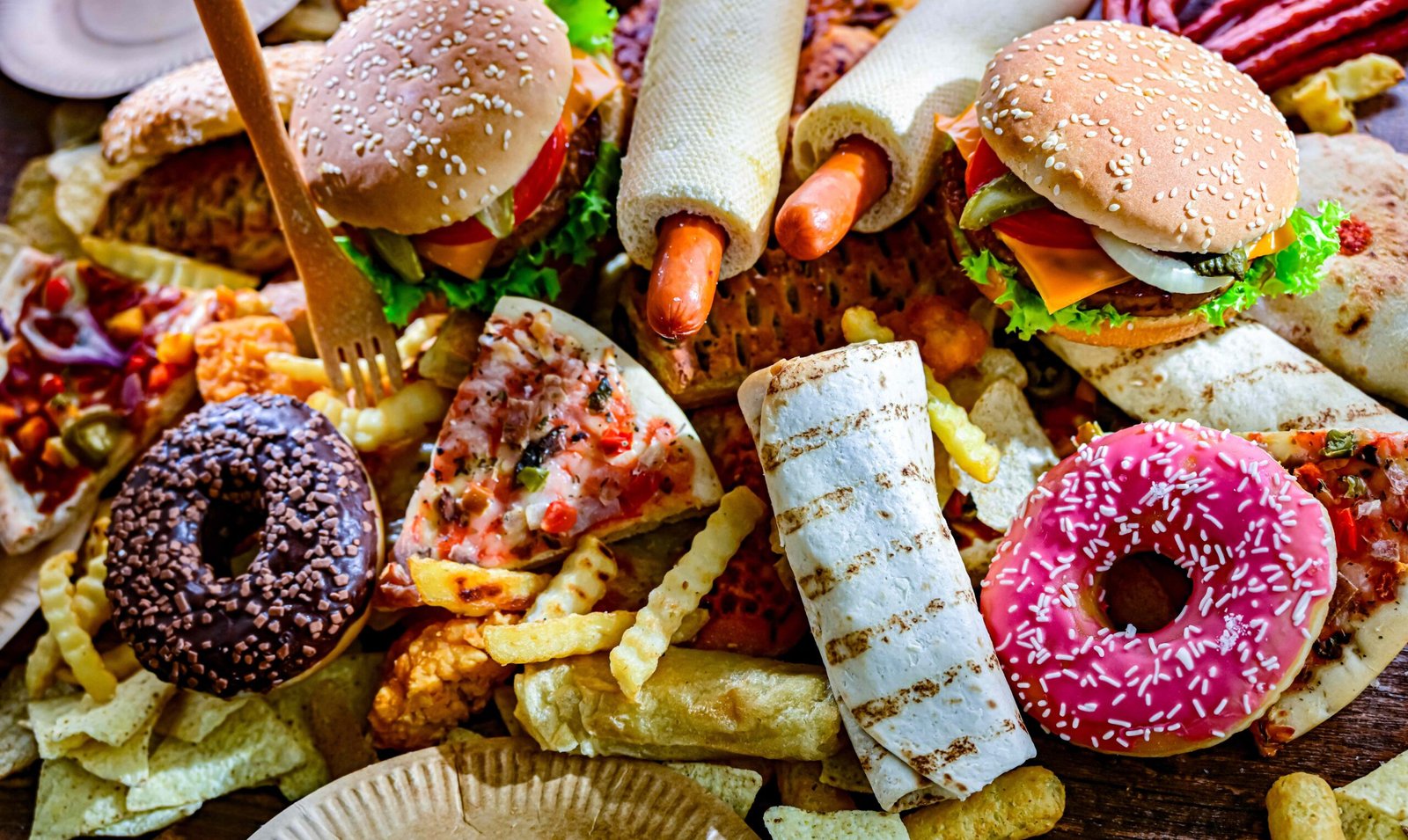
- Processed foods: Canned soups, processed meats (bacon, sausage, deli meats), frozen meals, and packaged snacks are often loaded with sodium.
- Restaurant meals: Restaurant food tends to be higher in sodium than home-cooked meals.
- Condiments: Soy sauce, ketchup, salad dressings, and other condiments can contribute significantly to your daily sodium intake.
Let me break this down in a way that’s practical. A single serving of some canned soups can contain over half of your daily recommended sodium intake. Similarly, a few slices of deli meat can easily push you over the limit. It’s worth noting that even foods that don’t taste particularly salty can be high in sodium.
2. Sugary Drinks
Sugary drinks, such as soda, fruit juice, and sweetened teas, are not only high in calories but can also contribute to hypertension. The reason this matters is that excessive sugar consumption can lead to weight gain and insulin resistance, both of which are risk factors for high blood pressure. A patient I saw last month had significantly improved her blood pressure simply by cutting out sugary drinks.
Here’s what concerns me—and it might concern you too: studies have shown a link between regular consumption of sugary drinks and an increased risk of hypertension. The exact mechanisms are still being investigated, but it’s likely that sugar contributes to inflammation and endothelial dysfunction.
What I tell my patients is this: water should be your primary beverage. If you crave something flavorful, try adding slices of fruit or cucumber to your water. Unsweetened tea and coffee are also good options in moderation.
3. Alcohol
While moderate alcohol consumption has been linked to some health benefits, excessive alcohol intake can raise blood pressure. Based on current medical evidence, heavy drinking can damage the heart and blood vessels, leading to hypertension and other cardiovascular problems. In our practice, we find that patients who reduce their alcohol consumption often see a noticeable improvement in their blood pressure.
The American Heart Association recommends limiting alcohol intake to no more than one drink per day for women and no more than two drinks per day for men. One drink is defined as 12 ounces of beer, 5 ounces of wine, or 1.5 ounces of distilled spirits.
It’s important to understand that alcohol can also interact with blood pressure medications, potentially reducing their effectiveness or increasing the risk of side effects. If you’re taking medication for hypertension, talk to your doctor about whether it’s safe for you to consume alcohol.
4. Processed Meats
As mentioned earlier, processed meats are often high in sodium. But they also tend to be high in saturated fat and nitrates, which can further contribute to hypertension. Let me emphasize that regular consumption of processed meats has been linked to an increased risk of heart disease and stroke.
Examples of processed meats include:
- Bacon
- Sausage
- Hot dogs
- Deli meats (ham, salami, bologna)
What I’ve found in my practice is that many people underestimate how much processed meat they consume. A quick sandwich at lunch, a few slices of bacon with breakfast – it all adds up. Consider replacing processed meats with lean protein sources like chicken, fish, beans, or lentils.
5. Foods High in Saturated and Trans Fats
Saturated and trans fats can raise LDL (“bad”) cholesterol levels, which can contribute to the buildup of plaque in your arteries (atherosclerosis). This plaque narrows your arteries, making it harder for blood to flow through and increasing blood pressure. This is significant because atherosclerosis is a major risk factor for heart disease and stroke.
Foods high in saturated fat include:
- Fatty cuts of meat
- Full-fat dairy products (cheese, butter, whole milk)
- Fried foods
- Processed snacks (cookies, cakes, pastries)
Trans fats are often found in:
- Fried foods
- Baked goods
- Processed snacks
It’s important to understand that many processed foods contain both saturated and trans fats. Check the nutrition labels carefully and choose foods that are low in these unhealthy fats. Consider incorporating foods high in fiber for heart health, you can compare the benefits of oatmeal vs cream of wheat to help you decide which is better for you.
6. Coffee (in some individuals)
The effect of coffee on blood pressure is complex and varies from person to person. Caffeine can cause a temporary increase in blood pressure, but some people develop a tolerance to this effect over time. However, for those who are sensitive to caffeine, even a small amount can significantly raise blood pressure.
If you have hypertension, it’s worth noting how coffee affects you. Monitor your blood pressure after drinking coffee to see if it causes a significant increase. If it does, you may need to limit your caffeine intake or switch to decaffeinated coffee.
7. Licorice
Certain types of licorice, particularly black licorice, contain glycyrrhizin, a compound that can raise blood pressure. Glycyrrhizin can cause your body to retain sodium and lose potassium, leading to fluid retention and increased blood pressure. This is something I discuss with my patients regularly, especially those who enjoy licorice.
The FDA recommends avoiding large amounts of black licorice if you have high blood pressure. Even small amounts can have a significant effect on some individuals.
8. Pickled and Fermented Foods
Pickled and fermented foods, such as pickles, sauerkraut, and kimchi, are often high in sodium. While these foods can be part of a healthy diet in moderation, they can contribute to hypertension if consumed in excess. This is significant because many people are unaware of the high sodium content in these foods.
If you enjoy pickled or fermented foods, check the sodium content on the label and limit your portion sizes. You can also try making your own pickled or fermented foods at home, using less sodium in the process.
9. Canned Tomatoes and Tomato-Based Products
Canned tomatoes and tomato-based products, such as tomato sauce and tomato juice, can be surprisingly high in sodium. While tomatoes themselves are healthy, the canning process often involves adding salt as a preservative. This is something I discuss with my patients regularly, as tomatoes are often seen as a healthy food.
Choose low-sodium or no-salt-added versions of canned tomatoes and tomato-based products. You can also use fresh tomatoes to make your own sauces and juices.
10. Energy Drinks
Energy drinks typically contain high levels of caffeine and other stimulants, which can significantly raise blood pressure. These drinks can also cause irregular heartbeats and other cardiovascular problems. In the ER, we often see patients who experience adverse effects after consuming energy drinks.
If you have hypertension, it’s best to avoid energy drinks altogether. There are much healthier ways to boost your energy levels, such as getting enough sleep, eating a balanced diet, and exercising regularly.
Making Healthy Dietary Changes
The good news is that making healthy dietary changes can have a significant impact on your blood pressure. Here are some tips:
- Read nutrition labels carefully: Pay attention to sodium, saturated fat, trans fat, and sugar content.
- Cook at home more often: This gives you more control over the ingredients and portion sizes.
- Choose fresh, whole foods: Fruits, vegetables, whole grains, and lean protein sources are all good choices.
- Limit processed foods: Processed foods are often high in sodium, unhealthy fats, and sugar.
- Stay hydrated: Drink plenty of water throughout the day.
- Limit alcohol and caffeine: If you have hypertension, talk to your doctor about whether it’s safe for you to consume alcohol or caffeine.
It’s worth noting that dietary changes are most effective when combined with other lifestyle modifications, such as regular exercise, stress management, and weight loss (if you are overweight or obese). For comprehensive diabetes management strategies, our evidence-based treatment protocols provide detailed therapeutic guidelines. Also, understanding your medications’ pharmacological mechanisms can improve treatment adherence and outcomes.
Monitoring and Follow-Up
If you have hypertension, it’s important to monitor your blood pressure regularly and follow up with your doctor as recommended. Regular monitoring allows you to track your progress and make adjustments to your treatment plan as needed. This is something I discuss with my patients regularly, as consistent monitoring is key to managing hypertension effectively.
Your doctor may recommend that you monitor your blood pressure at home using a home blood pressure monitor. This can provide valuable information about your blood pressure levels throughout the day. Be sure to follow your doctor’s instructions on how to properly use the monitor and record your readings.
When to Seek Emergency Care
In most cases, hypertension is a chronic condition that can be managed with lifestyle modifications and medication. However, there are certain situations where you should seek emergency medical care. These include:
- Severe headache
- Chest pain
- Shortness of breath
- Sudden vision changes
- Numbness or weakness in your face, arm, or leg
- Difficulty speaking
These symptoms could indicate a hypertensive crisis, which is a medical emergency that requires immediate treatment. Don’t hesitate to call 911 or go to the nearest emergency room if you experience any of these symptoms.
Long-Term Prognosis and Prevention
With proper management, most people with hypertension can live long and healthy lives. However, uncontrolled hypertension can lead to serious health problems, such as heart disease, stroke, kidney failure, and vision loss. The key point I want to emphasize is that early detection and treatment are crucial for preventing these complications.
In addition to lifestyle modifications and medication, there are other things you can do to prevent hypertension. These include:
- Maintaining a healthy weight
- Getting regular exercise
- Managing stress
- Quitting smoking
- Limiting alcohol intake
It’s important to understand that hypertension is often a lifelong condition that requires ongoing management. However, by making healthy lifestyle choices and working closely with your healthcare provider, you can effectively control your blood pressure and reduce your risk of complications.
| Food Item | Serving Size | Sodium Content (mg) |
|---|---|---|
| Canned Soup (Chicken Noodle) | 1 cup | 800-1000 |
| Processed Meat (Deli Ham) | 2 oz | 600-800 |
| Frozen Pizza | 1 slice | 400-600 |
| Soy Sauce | 1 tbsp | 900-1000 |
| Pickles | 1 medium | 300-500 |
Remember, managing hypertension is a journey, not a destination. Be patient with yourself, celebrate your successes, and don’t be afraid to ask for help along the way. By making informed choices about your diet and working closely with your healthcare provider, you can take control of your blood pressure and improve your overall health.
For additional medical resources, you can explore clinical guidelines on hypertension management.
- Dietary Strategies for Hypertension: Foods to Avoid
- Blood Pressure and Diet: A Physician’s Guide to Food Choices
MEDICAL DISCLAIMER: This content is for educational purposes only and does not constitute medical advice. Always consult a qualified healthcare provider for diagnosis, treatment, and medical concerns. The information provided is not a substitute for professional medical evaluation.
Important Medical Information
This article is for educational purposes only and does not constitute medical advice, diagnosis, or treatment.
Always consult a qualified healthcare provider for personalized medical recommendations.
The information presented is based on current medical evidence and clinical guidelines but should not replace professional medical evaluation or treatment plans.


