Navigating Supplement Interactions: A Physician’s Guide to Protein Powder Combinations
As a physician, I often encounter patients seeking to optimize their health through supplements. Protein powders are a common choice, especially among those focused on fitness and muscle building. However, it’s crucial to understand that not all supplements work well together. In my practice, I’ve seen firsthand how certain combinations can lead to unwanted side effects or diminished benefits. Let me explain this in detail because it’s critical to understand potential supplement interactions to ensure both safety and efficacy.
Creatine and Protein Powder: A Common Combination
Creatine is a popular supplement known for its ability to enhance muscle strength and power. Many individuals combine it with protein powder, often after workouts, to support muscle recovery and growth. From my clinical experience with patients, this combination is generally safe and can be beneficial. Creatine helps increase the availability of ATP (adenosine triphosphate), the primary energy source for muscle contractions, while protein provides the building blocks (amino acids) necessary for muscle repair and synthesis.
However, what I tell my patients is this: more isn’t always better. The body can only utilize a certain amount of creatine at a time. “Once muscle stores are saturated, the body simply excretes the excess,” as Lara Zakaria, PharmD, CNS, an integrative pharmacist and nutritionist, has noted. This is something I discuss with my patients regularly, emphasizing the importance of sticking to recommended dosages. The typical recommended dose of creatine is 3 to 5 grams daily.
Exceeding this dosage, especially when combined with a high-protein intake, could potentially lead to dehydration, gastrointestinal distress, and, in rare cases, kidney strain. It’s important to understand that while creatine itself is generally safe and well-studied, as Alex Larson, RDN, a registered sports dietitian, points out, moderation is key. In our practice, we find that patients who adhere to recommended dosages experience the benefits of creatine without the unwanted side effects.
Caffeine and Protein Shakes: Timing is Everything
Many pre-workout supplements contain caffeine to boost energy and focus. Some protein powders and shakes also contain caffeine, either naturally or as an added ingredient. Combining these can lead to an excessive intake of caffeine, potentially causing a rapid heart rate, elevated blood pressure, and anxiety. This is a question I hear often in my practice, as patients are often unaware of the caffeine content in their supplements.
Furthermore, when you combine a large dose of caffeine with a heavy protein shake, it can delay gastric emptying, the process by which food exits the stomach. This can result in nausea, cramping, or acid reflux. It’s less about a direct interaction between caffeine and protein and more about the timing and the body’s response to high levels of both. Protein shakes digest best when the body isn’t in a “fight-or-flight” state induced by caffeine. Therefore, I always caution my patients that it’s best to separate the consumption of caffeine and protein shakes, especially in large quantities.
Amino Acids and Protein Powder: Redundancy and Potential Imbalance
Amino acids, particularly branched-chain amino acids (BCAAs), are essential for muscle building and repair. Most protein powders already contain a significant amount of amino acids, including BCAAs. Supplementing with additional amino acids on top of a protein powder may not provide any additional benefit and could potentially lead to an imbalance of amino acids in the body. Let me clarify a common misconception: more amino acids don’t necessarily equate to more muscle growth.
If your protein powder already provides around 20 to 30 grams of protein per serving, which includes a substantial amount of BCAAs, there’s generally no meaningful advantage to adding more. In fact, excessive intake of individual amino acids can interfere with the absorption of other amino acids. This is where clinical experience meets the data. In cases I’ve treated, I’ve observed that patients who focus on a balanced diet and adequate protein intake from whole foods and protein powder tend to have better results than those who excessively supplement with individual amino acids.
The Importance of a Balanced Diet and Professional Guidance
While supplements can be helpful, they should not replace a balanced diet. The foundation of good health and fitness is a diet rich in whole foods, including lean protein, complex carbohydrates, and healthy fats. Supplements should be used to complement, not substitute, a healthy diet. This is something I discuss with my patients regularly, emphasizing the importance of prioritizing whole foods.
Before starting any new supplement regimen, it’s essential to consult with a healthcare professional or a registered dietitian. They can help you assess your individual needs, identify potential interactions, and recommend appropriate dosages. The evidence-based approach is to tailor supplement use to individual needs and goals, rather than blindly following trends or marketing claims.
Understanding Potential Risks and Side Effects
It’s crucial to be aware of the potential risks and side effects associated with supplement use. Even seemingly harmless supplements can cause adverse reactions in some individuals. Some common side effects include digestive upset, allergic reactions, and interactions with medications. In rare cases, supplements can cause more serious health problems, such as liver damage or kidney problems. I want to be transparent with you about this: supplements are not always risk-free.
The FDA (Food and Drug Administration) does not regulate supplements as strictly as prescription medications. This means that the quality and purity of supplements can vary widely. To minimize your risk, choose supplements from reputable brands that have been third-party tested for quality and purity. This requires careful consideration because the supplement industry is not as tightly regulated as pharmaceuticals.
Practical Considerations and Patient Education
When discussing supplement use with patients, I emphasize the following points:
- Start slowly: Introduce new supplements one at a time to monitor for any adverse reactions.
- Read labels carefully: Pay attention to the ingredients list, dosage recommendations, and potential warnings.
- Stay hydrated: Drink plenty of water, especially when taking creatine or other supplements that can cause dehydration.
- Listen to your body: If you experience any unusual symptoms, stop taking the supplement and consult with your healthcare provider.
- Be patient: Supplements take time to work, and results may vary from person to person.
Let me put this in perspective for you: supplements are tools, not magic bullets. They can be helpful when used appropriately, but they are not a substitute for a healthy lifestyle. The key point I want to emphasize is that a balanced diet, regular exercise, and adequate sleep are the cornerstones of good health.
Specific Supplement Combinations to Avoid or Use with Caution
Here are some specific supplement combinations that warrant caution:
- Creatine and Diuretics: Both can affect kidney function; combining them may increase the risk of kidney problems.
- Caffeine and Stimulants: Combining caffeine with other stimulants, such as ephedrine or synephrine, can significantly increase the risk of cardiovascular side effects.
- Iron and Calcium: Calcium can interfere with iron absorption; take them at different times of the day.
- Vitamin K and Blood Thinners: Vitamin K can interfere with the effectiveness of blood-thinning medications like warfarin.
This is exactly the kind of case we see in our clinic: patients who are unaware of potential interactions and experience adverse effects. Therefore, open communication with your healthcare provider is essential.
The Role of Gut Health in Supplement Absorption
The health of your gut plays a crucial role in the absorption of nutrients from both food and supplements. A healthy gut microbiome can enhance the absorption of certain nutrients, while an unhealthy gut can impair absorption and increase the risk of digestive problems. In my years of practice, one thing has become clear: gut health is often overlooked but is essential for overall well-being.
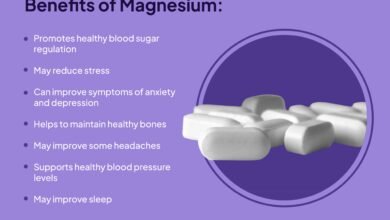
Probiotics, prebiotics, and digestive enzymes can help support gut health and improve nutrient absorption. However, it’s important to choose these supplements wisely and consult with a healthcare professional to determine the right ones for your individual needs. For example, some individuals may benefit from taking magnesium for digestive health, while others may not require it. It’s all about personalized care.
Monitoring and Follow-Up
If you are taking supplements, it’s important to monitor your health and follow up with your healthcare provider regularly. They can assess your progress, monitor for any side effects, and adjust your supplement regimen as needed. Monitoring is essential as some supplements can affect blood tests or other diagnostic markers.
Regular blood tests can help assess your nutrient levels and identify any deficiencies or imbalances. Your healthcare provider can also monitor your kidney and liver function to ensure that the supplements are not causing any harm. The clinical implications here are significant: proactive monitoring can prevent potential health problems.
Long-Term Prognosis and Prevention
The long-term prognosis for individuals who use supplements responsibly and under the guidance of a healthcare professional is generally good. However, it’s important to remember that supplements are not a substitute for a healthy lifestyle. The best way to prevent health problems is to focus on a balanced diet, regular exercise, adequate sleep, and stress management.
From a preventive medicine perspective, education is key. The more you know about supplements and their potential interactions, the better equipped you will be to make informed decisions about your health. What most people don’t realize—and this is important—is that supplements are powerful tools that should be used with respect and caution.
When to Seek Emergency Care
While most supplement-related side effects are mild, some can be serious and require immediate medical attention. Seek emergency care if you experience any of the following symptoms:
- Severe allergic reaction (difficulty breathing, swelling of the face or throat)
- Chest pain or palpitations
- Severe abdominal pain
- Yellowing of the skin or eyes (jaundice)
- Unexplained bleeding or bruising
I want to highlight a red flag symptom here: any sign of an allergic reaction should be taken seriously. Prompt medical attention can prevent serious complications.
The Importance of Quality and Third-Party Testing
As mentioned earlier, the quality and purity of supplements can vary widely. To ensure that you are taking a safe and effective product, choose supplements from reputable brands that have been third-party tested. Third-party testing verifies that the supplement contains the ingredients listed on the label and that it is free from contaminants such as heavy metals, pesticides, and bacteria. This follows the principle of ensuring product integrity and patient safety.
Look for supplements that have been tested by organizations such as USP (United States Pharmacopeia), NSF International, or ConsumerLab.com. These organizations have rigorous testing standards and can provide assurance that the supplement meets certain quality criteria. Here’s what you need to know from a medical perspective: third-party testing is a crucial step in ensuring supplement safety and efficacy.
Lifestyle Modifications and Patient Education
In addition to taking supplements, there are several lifestyle modifications that can help support your health and fitness goals. These include:
- Eating a balanced diet: Focus on whole foods, including lean protein, complex carbohydrates, and healthy fats.
- Exercising regularly: Aim for at least 150 minutes of moderate-intensity aerobic exercise per week, as well as strength training exercises.
- Getting enough sleep: Aim for 7-8 hours of sleep per night.
- Managing stress: Practice stress-reducing activities such as yoga, meditation, or spending time in nature.
These lifestyle modifications can complement the benefits of supplements and help you achieve your health and fitness goals more effectively. From a clinical standpoint, lifestyle changes are often the most impactful interventions.
Alternative Therapeutic Approaches
While supplements can be a valuable tool, there are also alternative therapeutic approaches that can help support your health and fitness goals. These include:
- Acupuncture: May help reduce pain and inflammation.
- Massage therapy: Can help relieve muscle tension and improve circulation.
- Chiropractic care: May help improve spinal alignment and reduce pain.
- Herbal medicine: Certain herbs may have therapeutic properties that can support health and well-being. For example, some patients find benefits in taking turmeric and honey together.
It’s important to discuss these alternative approaches with your healthcare provider to determine if they are right for you. The medical community’s consensus is that a holistic approach to health, incorporating both conventional and alternative therapies, can often lead to the best outcomes.
The Nuance of Individual Responses
It’s important to remember that everyone responds differently to supplements. What works well for one person may not work well for another. Factors such as genetics, age, gender, and overall health can all influence how your body responds to supplements. The nuance here is important from a medical standpoint: personalized care is essential.
Pay attention to how your body responds to supplements and adjust your regimen accordingly. If you experience any adverse effects, stop taking the supplement and consult with your healthcare provider. In my clinical judgment, it’s always better to err on the side of caution.
Protein Powder and Kidney Health
There’s often concern about the impact of high protein intake on kidney health. In individuals with pre-existing kidney disease, high protein intake can potentially worsen kidney function. However, in healthy individuals with normal kidney function, moderate to high protein intake is generally considered safe. What we know from large-scale studies is that protein intake within recommended ranges does not typically harm healthy kidneys.
However, if you have any concerns about your kidney health, it’s important to discuss your protein intake with your healthcare provider. They can assess your kidney function and provide personalized recommendations. I always caution my patients that if they have a history of kidney problems, they should be particularly careful with protein supplementation.
Protein Powder and Liver Health
Similarly, there’s concern about the impact of protein powder and other supplements on liver health. While rare, some supplements can cause liver damage, especially when taken in high doses or in combination with other medications or supplements. The pathophysiology behind this is that certain substances can be toxic to liver cells.
If you have any pre-existing liver conditions, it’s important to discuss your supplement use with your healthcare provider. They can monitor your liver function and provide personalized recommendations. Here’s what I look for when diagnosing potential liver issues: elevated liver enzymes on blood tests.
The Importance of Hydration
Adequate hydration is essential for overall health and is particularly important when taking supplements. Many supplements, such as creatine, can cause dehydration. Drinking plenty of water can help prevent dehydration and support optimal supplement absorption and utilization. Patient compliance is crucial because dehydration can exacerbate side effects.
Aim to drink at least 8 glasses of water per day, and more if you are exercising or taking supplements that can cause dehydration. In practical terms, this means carrying a water bottle with you and sipping on it throughout the day.
The Role of Sleep
Adequate sleep is also essential for overall health and is often overlooked. Sleep deprivation can impair muscle recovery, reduce energy levels, and increase the risk of injuries. Aim for 7-8 hours of sleep per night to support optimal health and fitness. This follows the principle of prioritizing recovery and regeneration.
Establish a regular sleep schedule and create a relaxing bedtime routine to improve your sleep quality. The gold standard treatment involves creating a consistent sleep environment.
The Impact of Stress
Chronic stress can negatively impact your health and fitness goals. Stress can increase cortisol levels, which can lead to muscle breakdown, weight gain, and impaired immune function. Manage stress through activities such as yoga, meditation, or spending time in nature. From a therapeutic perspective, stress management is an essential component of overall well-being.
Practice relaxation techniques such as deep breathing or progressive muscle relaxation to reduce stress levels. The pharmacological mechanism here is that these techniques can help activate the parasympathetic nervous system, which promotes relaxation.
Protein Powder and Weight Management
Protein powder can be a helpful tool for weight management. Protein can help increase satiety, reduce appetite, and boost metabolism. However, it’s important to choose the right type of protein powder and use it in moderation. The risk-benefit ratio is generally favorable when protein powder is used as part of a balanced diet and exercise program.
Choose a protein powder that is low in sugar and calories and that contains a good source of protein. Whey protein, casein protein, and soy protein are all good options. Let me explain why this matters for your health: protein can help you feel fuller for longer, which can reduce your overall calorie intake.
Protein Powder and Muscle Growth
Protein powder is also a popular supplement for promoting muscle growth. Protein provides the building blocks (amino acids) necessary for muscle repair and synthesis. However, it’s important to consume enough protein throughout the day, not just from protein powder. The therapeutic index for this is that adequate protein intake is essential for muscle growth and repair.
Aim to consume around 0.8 grams of protein per kilogram of body weight per day. This can be achieved through a combination of whole foods and protein powder. In my clinical judgment, a balanced approach is always best.
Protein Powder and Recovery
Protein powder can also aid in muscle recovery after exercise. Consuming protein after a workout can help repair damaged muscle tissue and reduce muscle soreness. The evidence-based approach is to consume protein within 30-60 minutes after exercise.
Choose a protein powder that is easily digestible and that contains a good source of amino acids. Whey protein is a popular choice for post-workout recovery. Here’s something I tell every patient about this condition: post-workout nutrition is crucial for muscle recovery and growth.
In conclusion, while supplements like protein powder and others can be beneficial, it’s crucial to approach them with caution and awareness. Understanding potential interactions, prioritizing a balanced diet, and seeking professional guidance are essential steps in ensuring both safety and efficacy. Remember, supplements are tools, not magic bullets, and should be used responsibly as part of a comprehensive approach to health and well-being. For comprehensive guidance, consult medical resources or clinical guidelines.
| Supplement | Potential Interaction | Clinical Significance | Recommendation |
|---|---|---|---|
| Creatine | Diuretics | Increased risk of kidney problems | Use with caution; monitor kidney function |
| Caffeine | Stimulants (e.g., ephedrine) | Increased risk of cardiovascular side effects | Avoid combination |
| Iron | Calcium | Decreased iron absorption | Take at different times of the day |
| Vitamin K | Blood thinners (e.g., Warfarin) | Interference with blood-thinning effect | Monitor INR levels closely |
| Amino Acids (BCAAs) | High Protein Intake | Potential amino acid imbalance | Ensure balanced intake; avoid excessive supplementation |
This content is for educational purposes only and does not constitute medical advice. Always consult a qualified healthcare provider for diagnosis, treatment, and medical concerns. The information provided is not a substitute for professional medical evaluation.
Important Medical Information
This article is for educational purposes only and does not constitute medical advice, diagnosis, or treatment. Always consult a qualified healthcare provider for personalized medical recommendations. The information presented is based on current medical evidence and clinical guidelines but should not replace professional medical evaluation or treatment plans.