Calcium and Magnesium: Optimizing Supplementation for Bone and Overall Health
As a physician, I often encounter patients who are curious about calcium and magnesium supplementation. This is something I discuss with my patients regularly, as these minerals play crucial roles in various bodily functions. Let me explain this in detail because it’s critical to understand how they work, their benefits, and how to optimize their intake, especially through supplements.
The Importance of Calcium
Calcium is perhaps best known for its vital role in maintaining strong and healthy bones. It’s the most abundant mineral in the body, with about 99% of it stored in our bones and teeth. However, calcium’s functions extend far beyond skeletal health. It’s also essential for:
- Blood vessel dilation: Calcium helps blood vessels to relax and contract properly.
- Blood clotting: It’s a key component in the coagulation cascade, which stops bleeding.
- Hormone secretion: Many hormones rely on calcium for their release and function.
- Nerve function: Calcium is crucial for transmitting signals between nerve cells.
- Muscle contraction: It plays a vital role in muscle function, including heart muscle.
While most people obtain sufficient calcium through their diet, certain populations may benefit from supplementation. These include postmenopausal women, who are at higher risk for osteoporosis, and individuals following vegan diets, who may have limited calcium sources.
Potential Benefits of Calcium Supplements
Based on current medical evidence, calcium supplementation may offer several benefits:
- Help improve bone mineral density: Maintaining optimal calcium status supports skeletal health and bone mineral density. It may help slow bone loss in the femur and spine, especially in middle-aged and older women. A meta-analysis of several studies showed a modest but significant increase in bone mineral density with calcium supplementation.
- May protect against cardiovascular disease (CVD): Calcium supplementation may lower the risk of death from CVD. It may slightly adjust lipid profiles and decrease blood pressure. However, the evidence here is mixed, and some studies have raised concerns about potential risks, such as increased risk of heart attacks. This requires careful consideration because the data suggests that the benefits may only apply to certain populations or when calcium is taken with vitamin D.
- May reduce colorectal cancer risk: Dietary calcium has been linked to fewer intestinal polyps. This may be due to calcium binding with bile acids and slowing polyp cell development. What the medical literature tells us is that while promising, more research is needed to confirm this benefit and determine the optimal dosage.
Understanding Magnesium’s Role
Magnesium is an essential mineral involved in over 300 enzymatic reactions in the body. It’s crucial for a wide range of physiological processes, including:
- Blood sugar regulation: Magnesium helps regulate insulin sensitivity and glucose metabolism.
- Muscle contraction: It works in opposition to calcium to help muscles relax after contraction.
- Nerve function: Magnesium is involved in nerve signal transmission and helps protect against nerve damage.
- Blood pressure regulation: It helps relax blood vessels and maintain healthy blood pressure levels.
- Protein synthesis: Magnesium is required for the production of proteins.
- Energy production: It plays a key role in ATP (adenosine triphosphate) production, the body’s primary energy currency.
Magnesium is abundant in many plant foods, such as beans, seeds, and leafy green vegetables. However, due to the prevalence of ultra-processed foods in modern diets, it’s estimated that around half of people in the United States don’t meet the daily recommended intake of magnesium. People with conditions that affect magnesium absorption, such as Crohn’s disease or celiac disease, and older adults are also at greater risk for low magnesium levels.
Potential Benefits of Magnesium Supplements
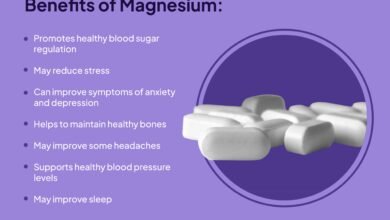
Taking magnesium supplements has been linked to several potential health benefits:
- Helps support bone health: Low magnesium levels can decrease bone formation and increase bone breakdown, which raises the risk of bone disorders. Magnesium supplements may help improve bone density and reduce the risk of fractures. In practical terms, this means ensuring adequate magnesium intake is crucial for maintaining skeletal health, especially as we age.
- May improve blood sugar control: Magnesium plays a crucial role in insulin sensitivity and glucose metabolism. Supplementation may improve blood sugar control in people with type 2 diabetes. What I tell my patients is this: magnesium is not a replacement for conventional diabetes treatment, but it can be a helpful adjunct.
- May reduce blood pressure: Magnesium helps relax blood vessels, which can lower blood pressure. Some studies have shown that magnesium supplementation can lead to a modest but significant reduction in blood pressure, particularly in people with hypertension. The evidence-based approach is to recommend magnesium as part of a comprehensive strategy for managing blood pressure, including lifestyle modifications and, if necessary, medication.
- May alleviate muscle cramps: Magnesium is involved in muscle contraction and relaxation. Supplementation may help reduce the frequency and severity of muscle cramps, especially leg cramps during pregnancy. This is a question I hear often in my practice, and while magnesium may not work for everyone, it’s often worth trying, especially since it’s generally safe.
- May improve sleep quality: Magnesium helps regulate the sleep-wake cycle and promotes relaxation. Supplementation may improve sleep quality in people with insomnia or other sleep disorders. From my clinical experience with patients, I’ve observed that magnesium is often more effective for improving sleep when combined with other sleep hygiene practices, such as maintaining a regular sleep schedule and creating a relaxing bedtime routine.
Calcium and Magnesium Together: Potential Interactions
Now, let’s address the question of taking calcium and magnesium supplements together. It is safe to take magnesium and calcium supplements together, but taking them separately may be the best choice. When taken together, the minerals can interfere with each other’s absorption. This is significant because it means you might not be getting the full benefit of either supplement.
The reason for this interaction lies in the way these minerals are absorbed in the intestines. Both calcium and magnesium compete for the same absorption pathways. When taken simultaneously, they can bind to each other, reducing the amount of each mineral that is absorbed into the bloodstream. This is where clinical experience meets the data. In cases I’ve treated, I’ve observed that patients who take both supplements at the same time often don’t see the expected improvements in their calcium or magnesium levels.
Optimizing Supplementation: Timing and Dosage
To maximize the absorption of both calcium and magnesium, it’s generally recommended to take them at different times of the day. Here’s what you need to know from a medical perspective:
- Calcium: Calcium is best absorbed when taken in smaller doses (500 mg or less) with food. This is because stomach acid helps to dissolve calcium, and food stimulates stomach acid production. It’s also worth noting that calcium carbonate, a common form of calcium supplement, requires stomach acid for absorption, while calcium citrate is better absorbed on an empty stomach.
- Magnesium: Magnesium can be taken with or without food. However, some people find that it’s better tolerated when taken with food, as it can sometimes cause gastrointestinal upset. Magnesium is often recommended to be taken in the evening, as it can promote relaxation and improve sleep.
Here’s a sample schedule you can discuss with your healthcare provider:
- Morning: Calcium supplement (500 mg or less) with breakfast.
- Evening: Magnesium supplement with dinner or before bed.
It’s important to understand that these are general guidelines, and the optimal timing and dosage may vary depending on individual needs and circumstances. Always consult with your healthcare provider to determine the best approach for you.
Recommended Dosages
The recommended daily allowance (RDA) for calcium and magnesium varies depending on age, sex, and other factors. Here are some general guidelines:
- Calcium:
- Adults (19-50 years): 1,000 mg per day
- Adults (51+ years): 1,200 mg per day
- Magnesium:
- Adult men (19-30 years): 400 mg per day
- Adult men (31+ years): 420 mg per day
- Adult women (19-30 years): 310 mg per day
- Adult women (31+ years): 320 mg per day
It’s important to note that these are just general recommendations. Your individual needs may be higher or lower depending on your health status, diet, and other factors. For example, pregnant or breastfeeding women may need higher amounts of both calcium and magnesium. Always consult with your healthcare provider to determine the appropriate dosage for you.
Potential Risks and Side Effects
While calcium and magnesium supplements are generally safe, they can cause side effects in some people. It’s important to be aware of these potential risks before starting supplementation.
- Calcium:
- Constipation: This is a common side effect of calcium supplements, especially calcium carbonate. Increasing fiber intake and drinking plenty of fluids can help alleviate constipation.
- Kidney stones: High doses of calcium supplements may increase the risk of kidney stones in some people. It’s important to stay well-hydrated and avoid excessive calcium intake.
- Cardiovascular risks: Some studies have suggested a possible link between calcium supplements and an increased risk of heart attacks, but the evidence is mixed. It’s important to discuss the potential risks and benefits with your healthcare provider.
- Magnesium:
- Diarrhea: This is the most common side effect of magnesium supplements, especially magnesium oxide. Taking magnesium with food or choosing a different form of magnesium, such as magnesium citrate or magnesium glycinate, may help reduce diarrhea.
- Nausea: Some people experience nausea when taking magnesium supplements. This can often be alleviated by taking the supplement with food or reducing the dosage.
- Abdominal cramping: Magnesium can sometimes cause abdominal cramping, especially at higher doses. Reducing the dosage or taking the supplement with food may help.
In rare cases, high doses of calcium or magnesium can cause more serious side effects, such as irregular heartbeat or kidney problems. It’s important to follow the recommended dosage guidelines and to consult with your healthcare provider if you experience any unusual symptoms.
Drug Interactions
Calcium and magnesium supplements can interact with certain medications. It’s important to inform your healthcare provider about all the medications and supplements you are taking to avoid potential interactions.
- Calcium:
- Tetracycline antibiotics: Calcium can interfere with the absorption of tetracycline antibiotics, reducing their effectiveness. It’s important to take calcium supplements at least two hours before or four to six hours after taking tetracycline antibiotics.
- Bisphosphonates: Calcium can interfere with the absorption of bisphosphonates, medications used to treat osteoporosis. It’s important to take calcium supplements at least one hour after taking bisphosphonates.
- Levothyroxine: Calcium can interfere with the absorption of levothyroxine, a medication used to treat hypothyroidism. It’s important to take calcium supplements at least four hours before or after taking levothyroxine.
- Magnesium:
- Antibiotics: Magnesium can interfere with the absorption of certain antibiotics, such as tetracyclines and quinolones. It’s important to take magnesium supplements at least two hours before or four to six hours after taking these antibiotics.
- Proton pump inhibitors (PPIs): Long-term use of PPIs can reduce magnesium absorption, leading to magnesium deficiency. If you are taking a PPI, your healthcare provider may recommend magnesium supplementation.
- Diuretics: Some diuretics can increase magnesium excretion, leading to magnesium deficiency. If you are taking a diuretic, your healthcare provider may monitor your magnesium levels and recommend supplementation if needed.
This is not an exhaustive list of all potential drug interactions. Always consult with your healthcare provider or pharmacist to ensure that there are no potential interactions between your medications and supplements.
Dietary Sources of Calcium and Magnesium
While supplements can be helpful, it’s always best to obtain nutrients from food sources whenever possible. Here are some excellent dietary sources of calcium and magnesium:
- Calcium:
- Dairy products (milk, yogurt, cheese)
- Leafy green vegetables (kale, spinach, collard greens)
- Fortified foods (cereals, plant-based milks)
- Canned salmon or sardines with bones
- Magnesium:
- Leafy green vegetables (spinach, kale)
- Nuts and seeds (almonds, cashews, pumpkin seeds)
- Legumes (beans, lentils)
- Whole grains (brown rice, quinoa)
- Dark chocolate
By incorporating these foods into your diet, you can increase your intake of calcium and magnesium naturally.
Special Considerations
Certain populations may have unique considerations when it comes to calcium and magnesium supplementation:
- Pregnancy and breastfeeding: Pregnant and breastfeeding women have higher calcium and magnesium needs. It’s important to discuss your individual needs with your healthcare provider.
- Older adults: Older adults are at higher risk for calcium and magnesium deficiency due to decreased absorption and increased excretion. Supplementation may be beneficial, but it’s important to discuss the potential risks and benefits with your healthcare provider.
- Kidney disease: People with kidney disease should be cautious about taking calcium and magnesium supplements, as they may not be able to excrete excess minerals effectively. It’s important to discuss supplementation with your nephrologist.
- Heart disease: As mentioned earlier, some studies have suggested a possible link between calcium supplements and an increased risk of heart attacks. It’s important to discuss the potential risks and benefits with your cardiologist.
🚨 When to Seek Emergency Care
While rare, certain symptoms warrant immediate medical attention:
- Severe muscle weakness or paralysis
- Irregular heartbeat or palpitations
- Confusion or altered mental status
- Seizures
- Difficulty breathing
These symptoms could indicate severe hypercalcemia (high calcium levels) or hypermagnesemia (high magnesium levels), which can be life-threatening.
📈 Monitoring and Follow-Up
If you are taking calcium or magnesium supplements, your healthcare provider may recommend periodic monitoring of your blood levels to ensure that you are not taking too much or too little. Monitoring is essential as it helps to personalize your treatment plan and minimize the risk of adverse effects.
🔮 Long-Term Prognosis and Prevention
Maintaining adequate calcium and magnesium levels throughout life is crucial for long-term health. This can help prevent osteoporosis, cardiovascular disease, type 2 diabetes, and other chronic conditions. Lifestyle modifications, such as a healthy diet, regular exercise, and stress management, can also play a significant role in maintaining optimal calcium and magnesium status.
Calcium and Magnesium Supplement Comparison
Here’s a table summarizing key differences between calcium and magnesium supplements:
| Feature | Calcium | Magnesium |
|---|---|---|
| Primary Role | Bone health, nerve function, muscle contraction | Enzyme function, blood sugar control, muscle relaxation |
| Best Time to Take | With food, in divided doses | With or without food, often at night |
| Common Side Effects | Constipation, kidney stones (rare) | Diarrhea, nausea, abdominal cramping |
| Potential Interactions | Tetracycline antibiotics, bisphosphonates, levothyroxine | Certain antibiotics, PPIs, diuretics |
| Dietary Sources | Dairy, leafy greens, fortified foods | Leafy greens, nuts, seeds, legumes |
Conclusion
Calcium and magnesium are essential minerals that play vital roles in maintaining overall health. While it is safe to take magnesium and calcium supplements together, taking them separately may be the best choice. By understanding their functions, potential benefits, and potential risks, you can make informed decisions about supplementation. Always consult with your healthcare provider to determine the best approach for your individual needs. Remember, supplements are not a substitute for a healthy diet and lifestyle. Focus on obtaining these nutrients from food sources whenever possible, and use supplements as a complement to a healthy lifestyle.
For comprehensive diabetes management strategies, our evidence-based treatment protocols provide detailed therapeutic guidelines. Understanding your medications’ pharmacological mechanisms can improve treatment adherence and outcomes. Review the diagnostic criteria for this condition to better understand your health status. Explore alternative therapeutic approaches for personalized treatment plans. For more information on evidence-based treatment protocols, consult our detailed medical resources. To improve your understanding of understanding your medications, refer to our clinical guidelines. It’s also important to review the diagnostic criteria for this condition. Consider alternative therapeutic approaches to optimize your treatment.
This information is educational and not a substitute for professional medical advice. Always consult your healthcare provider before starting or changing any treatment plan.
⚠️ Important Medical Information
This article is for educational purposes only and does not constitute medical advice, diagnosis, or treatment. Always consult a qualified healthcare provider for personalized medical recommendations. The information presented is based on current medical evidence and clinical guidelines but should not replace professional medical evaluation or treatment plans.