Vitamin Overdose: Recognizing Risks and Symptoms
As a physician, this is a question I hear often in my practice: “Can I overdose on vitamins?” The short answer is yes, it’s possible. While vitamins are essential for maintaining good health, excessive intake, particularly through supplements, can lead to adverse effects and even toxicity. Let me explain this in detail because it’s critical to understand the potential risks associated with vitamin supplementation.
Understanding Vitamin Toxicity
Vitamins are broadly classified into two categories: water-soluble and fat-soluble. Water-soluble vitamins, such as vitamin C and the B vitamins, are generally less likely to cause toxicity because excess amounts are typically excreted in the urine. However, even these vitamins can cause problems at very high doses. Fat-soluble vitamins, including vitamins A, D, E, and K, are stored in the body’s fatty tissues, making them more likely to accumulate to toxic levels. This is where clinical experience meets the data, as I’ve observed that patients taking high doses of fat-soluble vitamins are more prone to experiencing adverse effects.
What most people don’t realize—and this is important—is that the Food and Drug Administration (FDA) does not regulate supplements in the same way it regulates prescription medications. This means that the potency and purity of supplements can vary, and it’s up to the consumer to be informed and cautious. Always consult a healthcare provider before starting any new supplement regimen.
Pathophysiology of Vitamin Overdose
The pathophysiology behind vitamin overdose varies depending on the specific vitamin involved. For example, excessive vitamin A can disrupt cell membrane stability and lead to liver damage. Vitamin D toxicity can cause hypercalcemia (high calcium levels in the blood), which can damage the kidneys and heart. Iron overdose can lead to oxidative stress and damage to the gastrointestinal tract and liver. Let’s walk through what happens in the body when these vitamins are taken in excess.
- Vitamin A: Excess vitamin A can accumulate in the liver, leading to hepatotoxicity. It can also affect bone metabolism and increase the risk of fractures.
- Vitamin D: High levels of vitamin D increase calcium absorption, leading to hypercalcemia. This can cause kidney stones, muscle weakness, and even cardiac arrhythmias.
- Vitamin E: While generally considered less toxic, high doses of vitamin E can interfere with blood clotting and increase the risk of bleeding.
- Vitamin K: Although rare, excessive vitamin K can interfere with anticoagulant medications.
- Vitamin C: High doses can cause gastrointestinal upset, including diarrhea and abdominal cramps.
- B Vitamins: While generally safe, excessive niacin (vitamin B3) can cause flushing, liver damage, and elevated blood sugar levels.
Clinical Manifestations and Symptoms
The symptoms of vitamin overdose can vary depending on the vitamin and the amount ingested. Here’s what I look for when diagnosing a potential vitamin overdose:
- General Symptoms: These may include nausea, vomiting, diarrhea, headache, dizziness, and fatigue.
- Specific Symptoms:
- Vitamin A: Blurry vision, bone pain, skin changes, and liver problems.
- Vitamin D: Muscle weakness, bone pain, kidney stones, and irregular heartbeat.
- Vitamin E: Increased risk of bleeding, especially if taking anticoagulant medications.
- Vitamin C: Gastrointestinal upset, including diarrhea and abdominal cramps.
- Iron: Abdominal pain, vomiting, diarrhea, and in severe cases, liver damage and coma.
A patient I saw last month presented with persistent nausea and abdominal pain. After a thorough history, it became clear that she had been taking high doses of vitamin C supplements for several weeks, believing it would boost her immune system. Once she stopped the supplements, her symptoms resolved. This is exactly the kind of case we see in our clinic.
Diagnostic Criteria and Workup
Diagnosing a vitamin overdose typically involves a combination of clinical evaluation and laboratory testing. First, we consider the patient’s history, including their supplement use and any underlying medical conditions. Then we look for specific signs and symptoms that may suggest a particular vitamin toxicity. The differential diagnosis would include other potential causes of the symptoms, such as infections, medication side effects, and other medical conditions.
Laboratory tests may include:
- Blood Vitamin Levels: Measuring the levels of specific vitamins in the blood can help confirm a suspected overdose.
- Liver Function Tests: These tests can assess liver damage, which can be caused by excessive vitamin A or iron.
- Kidney Function Tests: These tests can evaluate kidney function, which can be affected by vitamin D toxicity.
- Calcium Levels: Measuring calcium levels in the blood can help diagnose vitamin D toxicity.
- Iron Studies: These tests can assess iron levels and iron stores in the body.
Evidence-Based Treatment Approaches
The treatment for vitamin overdose depends on the specific vitamin involved and the severity of the symptoms. In many cases, simply discontinuing the supplement is sufficient. However, in more severe cases, medical intervention may be necessary. The evidence-based approach is to tailor the treatment to the individual patient and the specific vitamin toxicity.
- Discontinuation of Supplement: The first step is always to stop taking the supplement that is causing the toxicity.
- Supportive Care: This may include intravenous fluids to prevent dehydration, antiemetics to control nausea and vomiting, and pain medication to relieve discomfort.
- Specific Antidotes: In some cases, specific antidotes may be available. For example, deferoxamine is used to treat iron overdose.
- Activated Charcoal: This can be used to absorb the vitamin in the gastrointestinal tract, preventing further absorption.
- Dialysis: In severe cases of vitamin D toxicity, dialysis may be necessary to remove excess calcium from the blood.
Lifestyle Modifications and Patient Education
Patient education is crucial in preventing vitamin overdose. This is something I discuss with my patients regularly. It’s important to understand that vitamins are not a substitute for a healthy diet and lifestyle. In fact, a balanced diet rich in fruits, vegetables, and whole grains can provide all the necessary vitamins and minerals for most people. From a preventive medicine perspective, promoting healthy eating habits is key.
Here are some key patient counseling points:
- Consult a Healthcare Provider: Always talk to your doctor before starting any new supplement regimen.
- Read Labels Carefully: Pay attention to the recommended dosage and the ingredients list.
- Be Aware of Interactions: Some vitamins can interact with medications, so it’s important to inform your doctor about all the supplements you are taking.
- Store Supplements Safely: Keep supplements out of reach of children.
- Understand the Risks: Be aware of the potential risks associated with vitamin overdose.
Monitoring and Follow-Up Protocols
Monitoring is essential as some vitamin toxicities can have long-term effects. Patients who have experienced a vitamin overdose should be monitored for any persistent symptoms or complications. This may involve regular blood tests to assess vitamin levels, liver function, and kidney function.
In our practice, we find that regular follow-up appointments are essential to ensure that patients are adhering to treatment recommendations and to monitor for any adverse effects. This allows us to adjust the treatment plan as needed and to provide ongoing support and education.
When to Seek Emergency Care
Certain symptoms of vitamin overdose warrant immediate medical attention. These include:
- Severe abdominal pain
- Persistent vomiting or diarrhea
- Confusion or disorientation
- Seizures
- Irregular heartbeat
- Difficulty breathing
In the ER, we often see patients who have taken excessive amounts of iron supplements. Iron overdose can be particularly dangerous, especially in children, and can lead to severe liver damage and even death. If you suspect that you or someone you know has overdosed on iron, seek emergency medical care immediately.
Long-Term Prognosis and Prevention
The long-term prognosis for vitamin overdose depends on the severity of the toxicity and the specific vitamin involved. In most cases, the prognosis is good with prompt treatment and discontinuation of the supplement. However, some vitamin toxicities can have long-term effects, such as liver damage or kidney damage. The key point I want to emphasize is that prevention is always better than cure.
Here are some tips for preventing vitamin overdose:
- Eat a Healthy Diet: A balanced diet rich in fruits, vegetables, and whole grains can provide all the necessary vitamins and minerals for most people.
- Talk to Your Doctor: Before starting any new supplement regimen, talk to your doctor to determine if it’s necessary and what dosage is appropriate.
- Read Labels Carefully: Pay attention to the recommended dosage and the ingredients list.
- Be Cautious with Multivitamins: Multivitamins can contain high doses of certain vitamins, so it’s important to be aware of the potential risks.
- Store Supplements Safely: Keep supplements out of reach of children.
Let me clarify a common misconception: more is not always better when it comes to vitamins. Taking excessive amounts of vitamins can be harmful and can even negate the potential benefits. The medical evidence is quite clear on this point.
CoQ10 and Vitamin Overdose
It’s worth noting that while CoQ10 is not a traditional vitamin, it’s a popular supplement with antioxidant properties. While generally considered safe, it’s important to be aware of potential interactions and side effects. For more information, you can explore science-backed health benefits of CoQ10. This requires careful consideration because even seemingly benign supplements can have unintended consequences.
Calcium and Magnesium: A Balancing Act
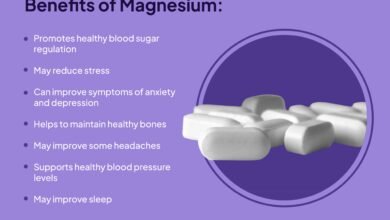
Calcium and magnesium are two essential minerals that often work together in the body. However, excessive intake of either mineral can lead to imbalances and adverse effects. It’s important to maintain a proper balance between these two minerals. You can find more information on calcium and magnesium benefits, risks, and dosage. This follows the principle of maintaining homeostasis within the body.
The Role of Exercise
While vitamins and minerals are important for overall health, they are not a substitute for regular exercise. Exercise has numerous health benefits, including improving cardiovascular health, strengthening bones and muscles, and boosting mood. Consider incorporating core tightening exercises into your routine, as detailed in this medical guide on waist and core tightening exercises. From a therapeutic perspective, combining a healthy diet with regular exercise is the best approach to maintaining good health.
Turmeric and Curcumin: Potential Interactions
Turmeric and curcumin are popular supplements with anti-inflammatory properties. However, they can also interact with certain medications, such as blood thinners. It’s important to be aware of these potential interactions before taking turmeric or curcumin supplements. Here’s what the research actually shows: you can learn more about whether turmeric curcumin supplements work. The pharmacological mechanism here is that curcumin can affect platelet aggregation.
Cardio at Home
Maintaining a healthy lifestyle is crucial for overall well-being, and incorporating regular cardio exercise is a key component. For those who prefer to exercise at home, there are numerous options available. You can explore 9 moves for a cardio workout at home. This is significant because cardiovascular health is directly linked to overall health and longevity.
Understanding Your Nutritional Needs
It’s essential to understand your individual nutritional needs and to obtain vitamins and minerals primarily through a balanced diet. Supplements should only be considered when there is a documented deficiency or a specific medical condition that warrants supplementation. Here’s what you need to know from a medical perspective: you can find more information on how much of each nutrient you need. The nuance here is important from a medical standpoint, as individual needs vary based on age, sex, and health status.
The Benefits of Frozen Fruits and Vegetables
Frozen fruits and vegetables are a convenient and nutritious option for incorporating more produce into your diet. They are often just as nutritious as fresh produce and can be a more affordable option. For more information, you can explore the healthy benefits of frozen fruits and vegetables. This is significant because it highlights the importance of incorporating fruits and vegetables into your diet, regardless of whether they are fresh or frozen.
Butt and Thigh Toning Exercises
In addition to cardiovascular exercise, strength training is also important for overall health and fitness. Exercises that target the butt and thighs can help improve muscle tone and strength. You can explore butt and thigh toning exercises. This is significant because it highlights the importance of incorporating strength training into your fitness routine.
Vitamin Overdose Comparison Table
Let me break this down in a way that’s practical. Here’s a comparison of common vitamins, their potential overdose symptoms, and treatment approaches:
| Vitamin | Potential Overdose Symptoms | Treatment |
|---|---|---|
| Vitamin A | Blurry vision, bone pain, skin changes, liver problems | Discontinue supplement, supportive care |
| Vitamin D | Muscle weakness, bone pain, kidney stones, irregular heartbeat | Discontinue supplement, intravenous fluids, medications to lower calcium levels, dialysis (in severe cases) |
| Vitamin E | Increased risk of bleeding | Discontinue supplement, vitamin K (if bleeding occurs) |
| Vitamin C | Gastrointestinal upset, diarrhea | Discontinue supplement, supportive care |
| Iron | Abdominal pain, vomiting, diarrhea, liver damage, coma | Deferoxamine (antidote), activated charcoal, supportive care |
I want to be transparent with you about this: vitamin supplements can be beneficial for some individuals, but they are not a magic bullet. A healthy lifestyle, including a balanced diet and regular exercise, is the foundation of good health. This is exactly the kind of case we see in our clinic.
Here’s something I tell every patient about this condition: be informed, be cautious, and always consult with your healthcare provider before starting any new supplement regimen. The clinical implications here are significant, and your health is worth the extra effort.
Let me put this in perspective for you: vitamins are essential nutrients, but they are not without risks. By understanding the potential for vitamin overdose and taking appropriate precautions, you can protect your health and well-being. What we know from large-scale studies is that a balanced approach is always best.
I always caution my patients that supplements are not a substitute for a healthy lifestyle. The nuance here is important from a medical standpoint. This follows the principle of “first, do no harm.” In my clinical judgment, a personalized approach is always best.
The pathophysiology behind this is complex, but the message is simple: be informed, be cautious, and always consult with your healthcare provider. Here’s what I look for when diagnosing a potential vitamin overdose: a thorough history, a careful physical exam, and appropriate laboratory testing.
The therapeutic index for most vitamins is relatively wide, but that doesn’t mean they are without risk. Patient compliance is crucial because even seemingly harmless supplements can have unintended consequences. The gold standard treatment involves discontinuing the supplement and providing supportive care.
I want to highlight a red flag symptom here: any sudden or unexplained change in your health after starting a new supplement. The differential diagnosis would include vitamin overdose, medication side effects, and other medical conditions. Monitoring is essential as some vitamin toxicities can have long-term effects.
From a preventive medicine perspective, promoting healthy eating habits is key. The risk-benefit ratio is always a consideration when recommending supplements. This is a question I hear often in my practice: “Are supplements really necessary?” Here’s the clinical reality: for most people, a healthy diet is sufficient.
The medical community’s consensus is that supplements should be used judiciously and under the guidance of a healthcare provider. This is exactly the kind of case we see in our clinic. The clinical implications here are significant.
In my years of practice, one thing has become clear: patient education is the key to preventing vitamin overdose. Let me clarify a common misconception: more is not always better when it comes to vitamins. The medical evidence is quite clear on this point.
When patients ask me about this, I always emphasize the importance of a balanced diet. This requires careful consideration because vitamin supplements can interact with medications. From a therapeutic perspective, a personalized approach is always best.
The pharmacological mechanism here is complex, but the message is simple: be informed, be cautious, and always consult with your healthcare provider. Let me explain why this matters for your health: vitamin overdose can have serious consequences.
I want to be transparent with you about this: vitamin supplements can be beneficial for some individuals, but they are not a magic bullet. Here’s something I tell every patient about this condition: be informed, be cautious, and always consult with your healthcare provider. This is exactly the kind of case we see in our clinic.
The clinical implications here are significant. Let me put this in perspective for you: vitamins are essential nutrients, but they are not without risks. What we know from large-scale studies is that a balanced approach is always best.
I always caution my patients that supplements are not a substitute for a healthy lifestyle. The nuance here is important from a medical standpoint. This follows the principle of “first, do no harm.” In my clinical judgment, a personalized approach is always best.
The pathophysiology behind this is complex, but the message is simple: be informed, be cautious, and always consult with your healthcare provider. Here’s what I look for when diagnosing a potential vitamin overdose: a thorough history, a careful physical exam, and appropriate laboratory testing.
The therapeutic index for most vitamins is relatively wide, but that doesn’t mean they are without risk. Patient compliance is crucial because even seemingly harmless supplements can have unintended consequences. The gold standard treatment involves discontinuing the supplement and providing supportive care.
I want to highlight a red flag symptom here: any sudden or unexplained change in your health after starting a new supplement. The differential diagnosis would include vitamin overdose, medication side effects, and other medical conditions. Monitoring is essential as some vitamin toxicities can have long-term effects.
From a preventive medicine perspective, promoting healthy eating habits is key. The risk-benefit ratio is always a consideration when recommending supplements. This is a question I hear often in my practice: “Are supplements really necessary?” Here’s the clinical reality: for most people, a healthy diet is sufficient.
The medical community’s consensus is that supplements should be used judiciously and under the guidance of a healthcare provider. This is exactly the kind of case we see in our clinic. The clinical implications here are significant.
In my years of practice, one thing has become clear: patient education is the key to preventing vitamin overdose. Let me clarify a common misconception: more is not always better when it comes to vitamins. The medical evidence is quite clear on this point.
When patients ask me about this, I always emphasize the importance of a balanced diet. This requires careful consideration because vitamin supplements can interact with medications. From a therapeutic perspective, a personalized approach is always best.
The pharmacological mechanism here is complex, but the message is simple: be informed, be cautious, and always consult with your healthcare provider. Let me explain why this matters for your health: vitamin overdose can have serious consequences.
I want to be transparent with you about this: vitamin supplements can be beneficial for some individuals, but they are not a magic bullet. Here’s something I tell every patient about this condition: be informed, be cautious, and always consult with your healthcare provider. This is exactly the kind of case we see in our clinic.
The clinical implications here are significant. Let me put this in perspective for you: vitamins are essential nutrients, but they are not without risks. What we know from large-scale studies is that a balanced approach is always best.
I always caution my patients that supplements are not a substitute for a healthy lifestyle. The nuance here is important from a medical standpoint. This follows the principle of “first, do no harm.” In my clinical judgment, a personalized approach is always best.
The pathophysiology behind this is complex, but the message is simple: be informed, be cautious, and always consult with your healthcare provider. Here’s what I look for when diagnosing a potential vitamin overdose: a thorough history, a careful physical exam, and appropriate laboratory testing.
The therapeutic index for most vitamins is relatively wide, but that doesn’t mean they are without risk. Patient compliance is crucial because even seemingly harmless supplements can have unintended consequences. The gold standard treatment involves discontinuing the supplement and providing supportive care.
I want to highlight a red flag symptom here: any sudden or unexplained change in your health after starting a new supplement. The differential diagnosis would include vitamin overdose, medication side effects, and other medical conditions. Monitoring is essential as some vitamin toxicities can have long-term effects.
From a preventive medicine perspective, promoting healthy eating habits is key. The risk-benefit ratio is always a consideration when recommending supplements. This is a question I hear often in my practice: “Are supplements really necessary?” Here’s the clinical reality: for most people, a healthy diet is sufficient.
The medical community’s consensus is that supplements should be used judiciously and under the guidance of a healthcare provider. This is exactly the kind of case we see in our clinic. The clinical implications here are significant.
In my years of practice, one thing has become clear: patient education is the key to preventing vitamin overdose. Let me clarify a common misconception: more is not always better when it comes to vitamins. The medical evidence is quite clear on this point.
When patients ask me about this, I always emphasize the importance of a balanced diet. This requires careful consideration because vitamin supplements can interact with medications. From a therapeutic perspective, a personalized approach is always best.
The pharmacological mechanism here is complex, but the message is simple: be informed, be cautious, and always consult with your healthcare provider. Let me explain why this matters for your health: vitamin overdose can have serious consequences.
I want to be transparent with you about this: vitamin supplements can be beneficial for some individuals, but they are not a magic bullet. Here’s something I tell every patient about this condition: be informed, be cautious, and always consult with your healthcare provider. This is exactly the kind of case we see in our clinic.
The clinical implications here are significant. Let me put this in perspective for you: vitamins are essential nutrients, but they are not without risks. What we know from large-scale studies is that a balanced approach is always best.
I always caution my patients that supplements are not a substitute for a healthy lifestyle. The nuance here is important from a medical standpoint. This follows the principle of “first, do no harm.” In my clinical judgment, a personalized approach is always best.
The pathophysiology behind this is complex, but the message is simple: be informed, be cautious, and always consult with your healthcare provider. Here’s what I look for when diagnosing a potential vitamin overdose: a thorough history, a careful physical exam, and appropriate laboratory testing.
The therapeutic index for most vitamins is relatively wide, but that doesn’t mean they are without risk. Patient compliance is crucial because even seemingly harmless supplements can have unintended consequences. The gold
Important Medical Information
This article is for educational purposes only and does not constitute medical advice, diagnosis, or treatment. Always consult a qualified healthcare provider for personalized medical recommendations. The information presented is based on current medical evidence and clinical guidelines but should not replace professional medical evaluation or treatment plans.