Relieving Carpal Tunnel: Orthopedist’s Guide to Effective Bracing
As an orthopedist, I frequently encounter patients struggling with the debilitating symptoms of carpal tunnel syndrome. It’s a condition that can significantly impact daily life, making even simple tasks like typing or holding a coffee cup excruciating. The good news is that, in many cases, conservative treatment options, including bracing, can provide substantial relief. Let’s delve into the world of carpal tunnel syndrome and explore how bracing can be an effective tool in managing this condition.
Understanding Carpal Tunnel Syndrome
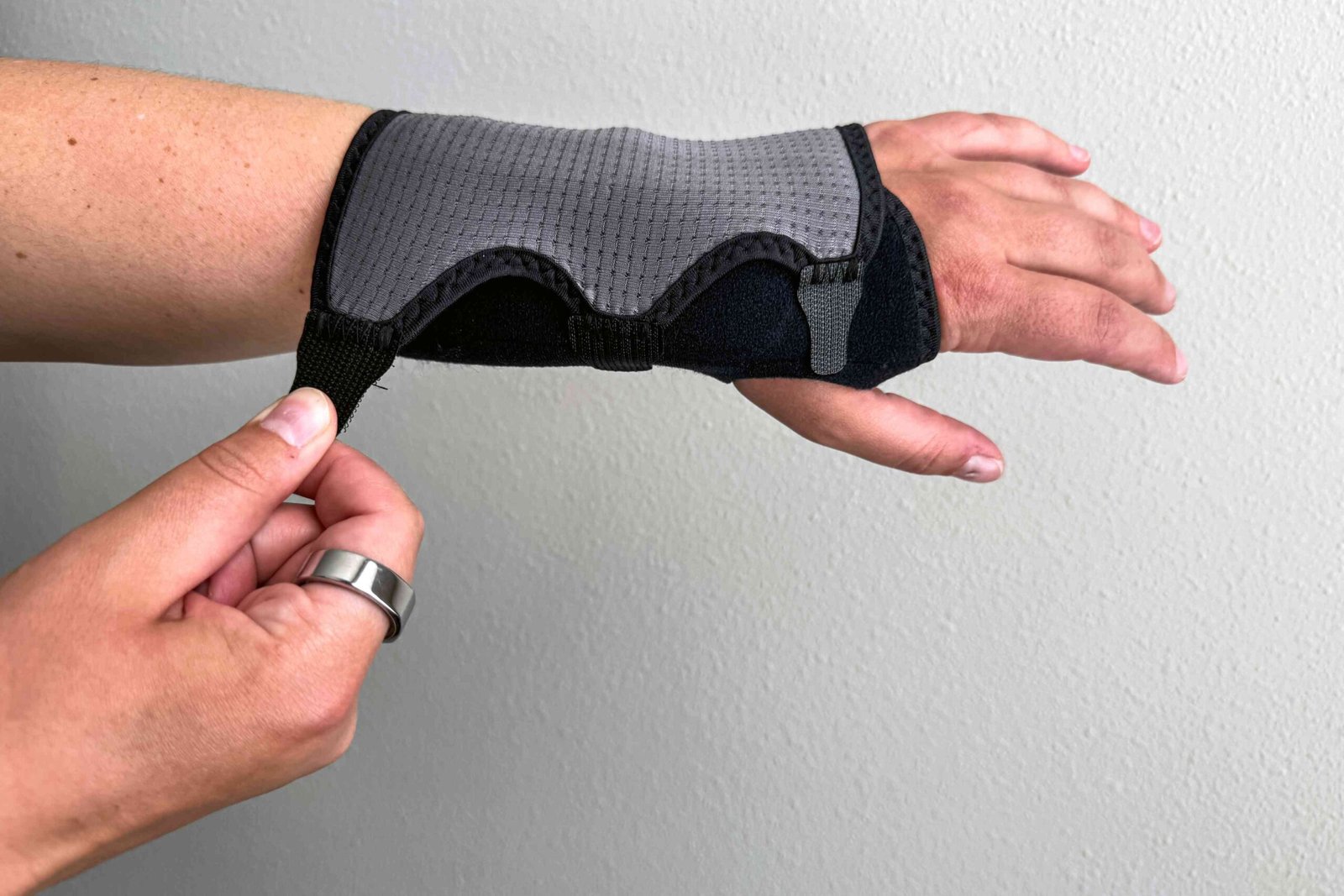
Carpal tunnel syndrome arises from compression of the median nerve as it passes through the carpal tunnel in the wrist. This narrow passageway is formed by the carpal bones and the transverse carpal ligament. When the space within this tunnel decreases, or the tissues surrounding the nerve swell, pressure increases on the median nerve. What most people don’t realize—and this is important—is that this compression can lead to a variety of uncomfortable symptoms.
The underlying mechanisms are often multifactorial. Repetitive hand and wrist movements, forceful exertions, certain medical conditions (like diabetes or rheumatoid arthritis), and even pregnancy can contribute to the development of carpal tunnel syndrome. To put it another way… imagine the carpal tunnel as a busy highway. If there’s a traffic jam (swelling, inflammation), the cars (median nerve) get squeezed, leading to problems.
Symptoms and Diagnosis
The hallmark symptoms of carpal tunnel syndrome include:
- Numbness and tingling in the thumb, index, middle, and part of the ring finger.
- Pain in the wrist and hand, which may radiate up the arm.
- Weakness in the hand, particularly with gripping.
- Nighttime symptoms that often wake people from sleep.
- A sensation of swelling in the fingers, even if there’s no visible swelling.
Diagnosing carpal tunnel syndrome typically involves a thorough physical examination, including specific tests like the Tinel’s sign (tapping over the median nerve) and Phalen’s maneuver (holding the wrist in a flexed position). Nerve conduction studies (NCS) and electromyography (EMG) are often used to confirm the diagnosis and assess the severity of nerve compression. These tests measure the speed at which electrical signals travel through the median nerve. A slower conduction velocity indicates nerve damage.
I recall a patient, a 52-year-old accountant, who came to our clinic complaining of persistent numbness and tingling in her right hand. She had been experiencing these symptoms for several months, and they were interfering with her ability to work. After a physical exam and nerve conduction studies, we confirmed the diagnosis of carpal tunnel syndrome. We discussed various treatment options, including bracing, and ultimately decided on a conservative approach. She responded well to bracing and ergonomic modifications to her workstation.
Bracing for Carpal Tunnel Relief
Bracing is a cornerstone of conservative management for carpal tunnel syndrome. The primary goal of bracing is to immobilize the wrist in a neutral position, which reduces pressure on the median nerve. This allows the nerve to rest and heal, alleviating symptoms. From a therapeutic perspective… bracing acts like a splint for the wrist, preventing excessive movement and minimizing further irritation of the nerve.
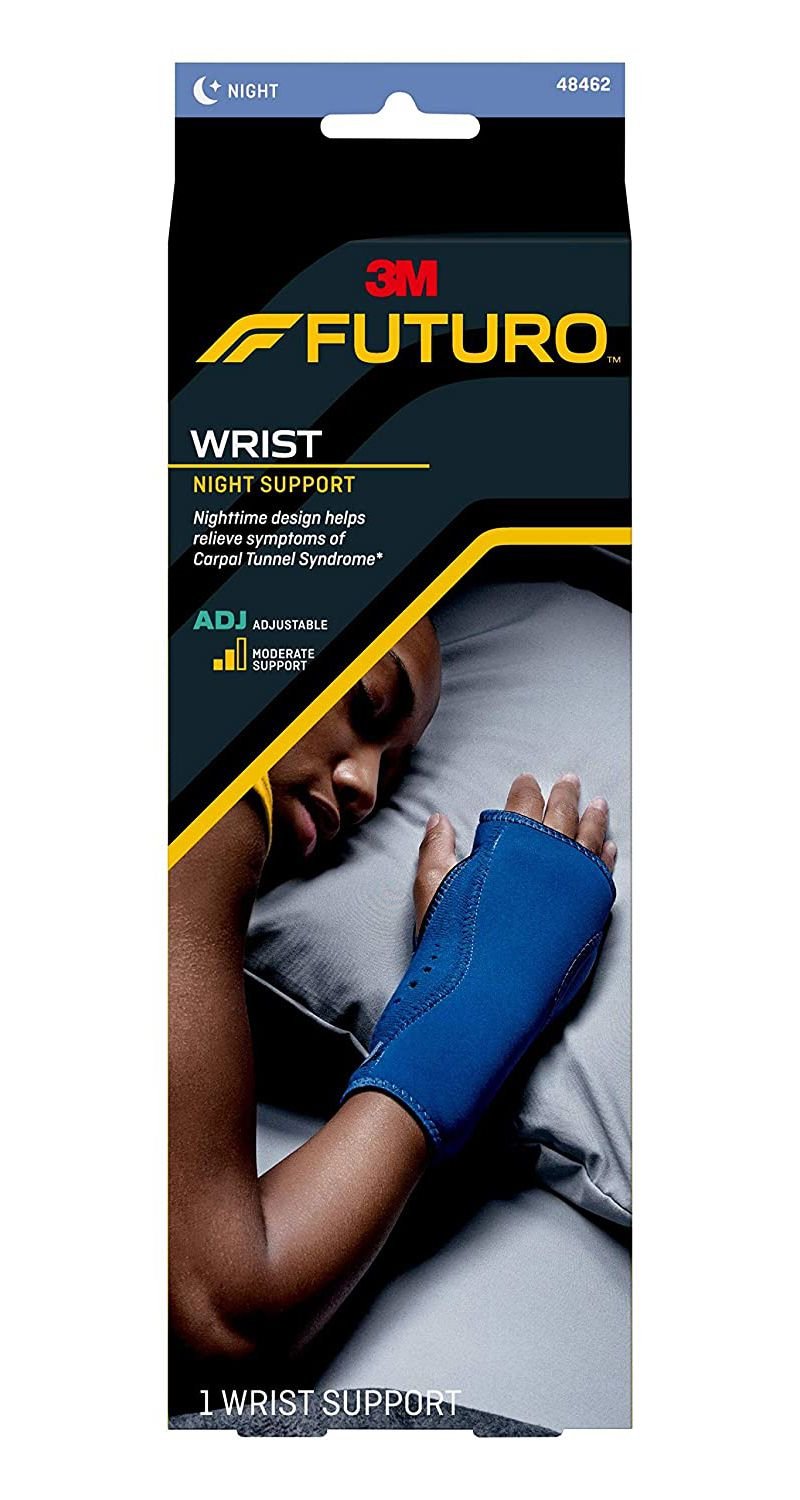
In our practice, we consistently find that nighttime bracing is particularly effective. During sleep, many people tend to flex their wrists, which can exacerbate carpal tunnel symptoms. Wearing a brace at night keeps the wrist in a neutral position, preventing this flexion and promoting nerve recovery. Daytime bracing can also be helpful, especially during activities that aggravate symptoms. It’s about finding the right balance and using the brace strategically.
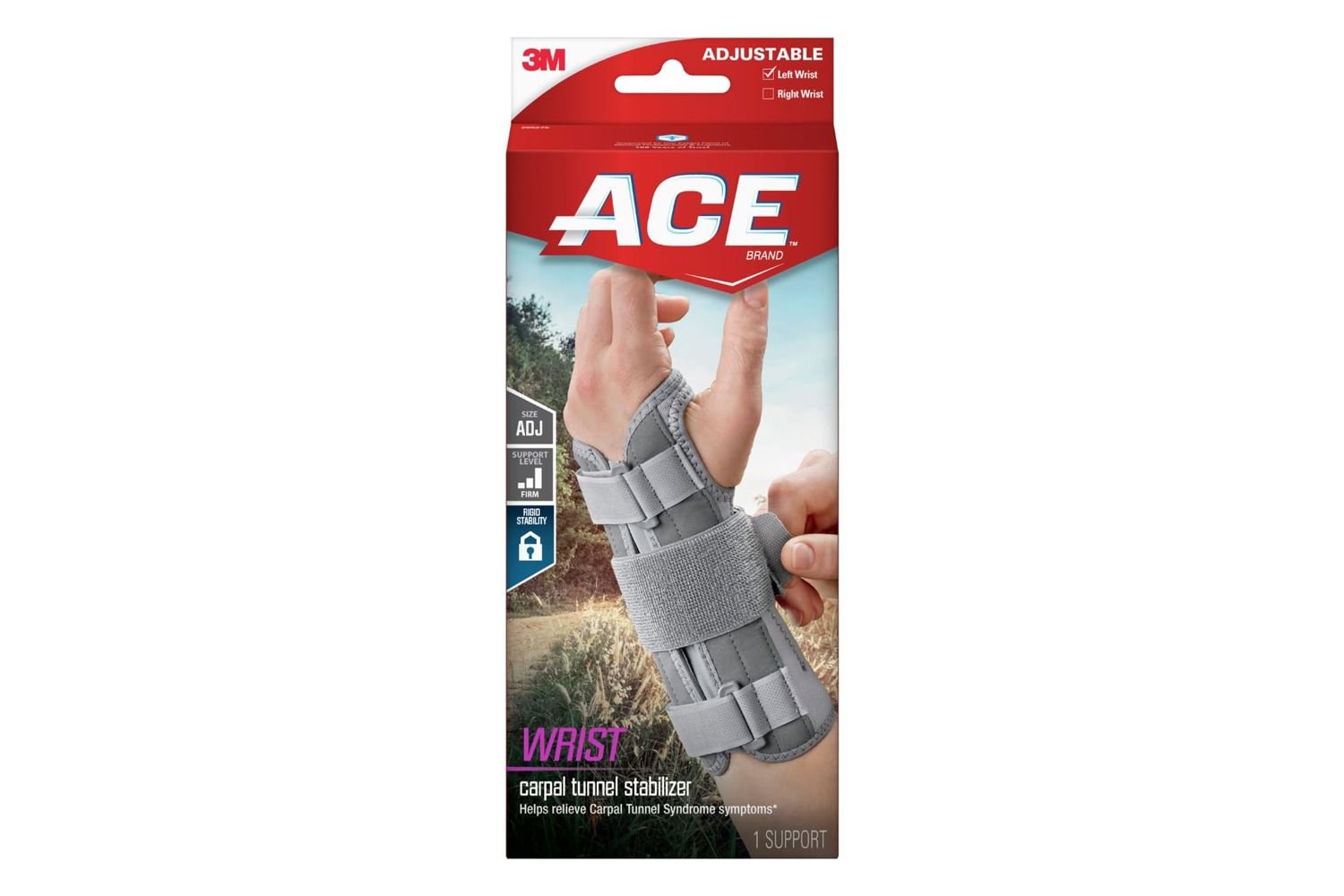
Choosing the Right Carpal Tunnel Brace
Selecting the right carpal tunnel brace can be overwhelming, given the multitude of options available. Here’s a breakdown of factors to consider and some specific recommendations based on our experience:
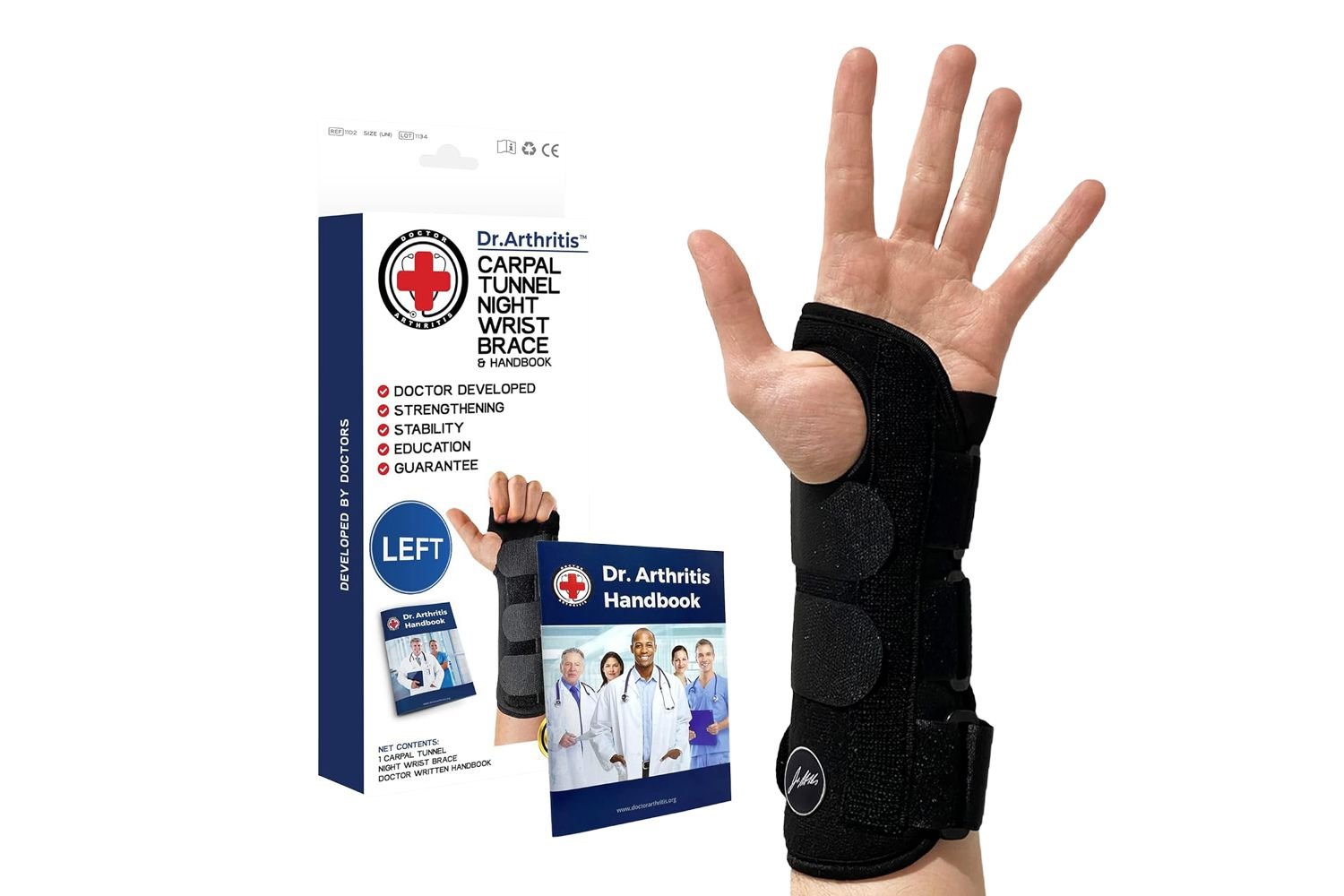
- Level of Support: Braces range from flexible sleeves to rigid supports with metal stays. The level of support needed depends on the severity of your symptoms and the activities you perform. For mild to moderate symptoms, a brace with moderate support may suffice. For more severe symptoms, a rigid brace may be necessary.
- Comfort: Comfort is paramount, especially for nighttime bracing. Look for braces made from breathable materials that won’t irritate your skin. Adjustable straps are also important to ensure a snug but not overly tight fit.
- Ease of Use: The brace should be easy to put on and take off, especially if you plan to use it frequently.
- Durability: A well-made brace should withstand regular use and washing.
While I cannot provide specific brand recommendations (as medical advice must be tailored to individual needs and circumstances), I can offer general guidance on features to look for in a carpal tunnel brace. These are based on my clinical experience and the feedback I’ve received from patients over the years.
Ultimately, the “best” brace is the one that provides the most effective symptom relief and allows you to maintain your daily activities. It may take some trial and error to find the right fit for you.
Lifestyle Modifications and Additional Treatments
While bracing is an important part of managing carpal tunnel syndrome, it’s often most effective when combined with other lifestyle modifications and treatments. These include:
- Ergonomic Adjustments: Optimizing your workstation to reduce strain on your wrists. This may involve adjusting your chair height, keyboard position, and monitor placement.
- Activity Modification: Avoiding activities that aggravate your symptoms. This may mean taking frequent breaks during repetitive tasks or using assistive devices to reduce strain.
- Stretching and Exercises: Performing specific exercises to improve wrist flexibility and strengthen hand muscles. A physical therapist can provide guidance on appropriate exercises. Don’t forget that maintaining good overall health, including a balanced diet, is important, and learning about the nutritional profile of cottage cheese can contribute to a healthy lifestyle.
- Over-the-Counter Pain Relief: Nonsteroidal anti-inflammatory drugs (NSAIDs) like ibuprofen or naproxen can help reduce pain and inflammation.
- Corticosteroid Injections: In some cases, your doctor may recommend a corticosteroid injection into the carpal tunnel to reduce inflammation and provide temporary relief.
- Surgery: If conservative treatments are not effective, surgery may be an option to release the transverse carpal ligament and relieve pressure on the median nerve.
Monitoring and Follow-Up
It’s important to monitor your symptoms closely while using a carpal tunnel brace. If your symptoms worsen or do not improve after several weeks, consult with your doctor. They may recommend further evaluation or alternative treatment options. Regular follow-up appointments are crucial to assess your progress and adjust your treatment plan as needed.
When to Seek Emergency Care
While carpal tunnel syndrome is not typically a medical emergency, there are certain situations that warrant immediate medical attention. These include:
- Sudden loss of sensation or movement in your hand or fingers.
- Severe pain that is not relieved by over-the-counter pain medication.
- Signs of infection, such as redness, swelling, or pus, around the wrist.
Long-Term Prognosis and Prevention
The long-term prognosis for carpal tunnel syndrome is generally good, especially with early diagnosis and treatment. Bracing, lifestyle modifications, and other conservative treatments can often provide significant relief and prevent the condition from worsening. In some cases, surgery may be necessary to achieve lasting relief. Prevention is key. By adopting ergonomic principles, avoiding repetitive strain, and addressing underlying medical conditions, you can reduce your risk of developing carpal tunnel syndrome.
We don’t have all the answers yet, but research is ongoing to better understand the causes and treatment of carpal tunnel syndrome. As healthcare professionals, we are committed to providing our patients with the best possible care based on the latest scientific evidence. Now, let’s examine some of the key considerations when choosing a brace, presented in a comparative table.
| Feature | Low Support Brace | Moderate Support Brace | High Support Brace |
|---|---|---|---|
| Typical Materials | Flexible fabric, elastic | Neoprene, adjustable straps, may include a palmar stay | Rigid plastic or metal, multiple straps, often with dorsal and palmar stays |
| Intended Use | Mild symptoms, preventative use, daytime wear | Moderate symptoms, nighttime wear, activity support | Severe symptoms, post-operative, significant immobilization |
| Level of Immobilization | Minimal | Moderate | High |
| Comfort Level | Generally high due to flexibility | Moderate; depends on adjustability and material breathability | Lower; can feel restrictive, but necessary for immobilization |
| Activities Suitable For | Light tasks, computer work (if not too restrictive) | Most daily activities, but may limit heavy lifting | Rest, sleep; limited daytime activities due to immobilization |
| Pros | Comfortable, allows for some wrist movement, easy to wear | Good balance of support and comfort, adjustable, versatile | Maximum immobilization, effective for severe symptoms |
| Cons | May not provide enough support for severe symptoms | Can be bulky, may restrict some movements | Can be uncomfortable for extended wear, significantly restricts movement |
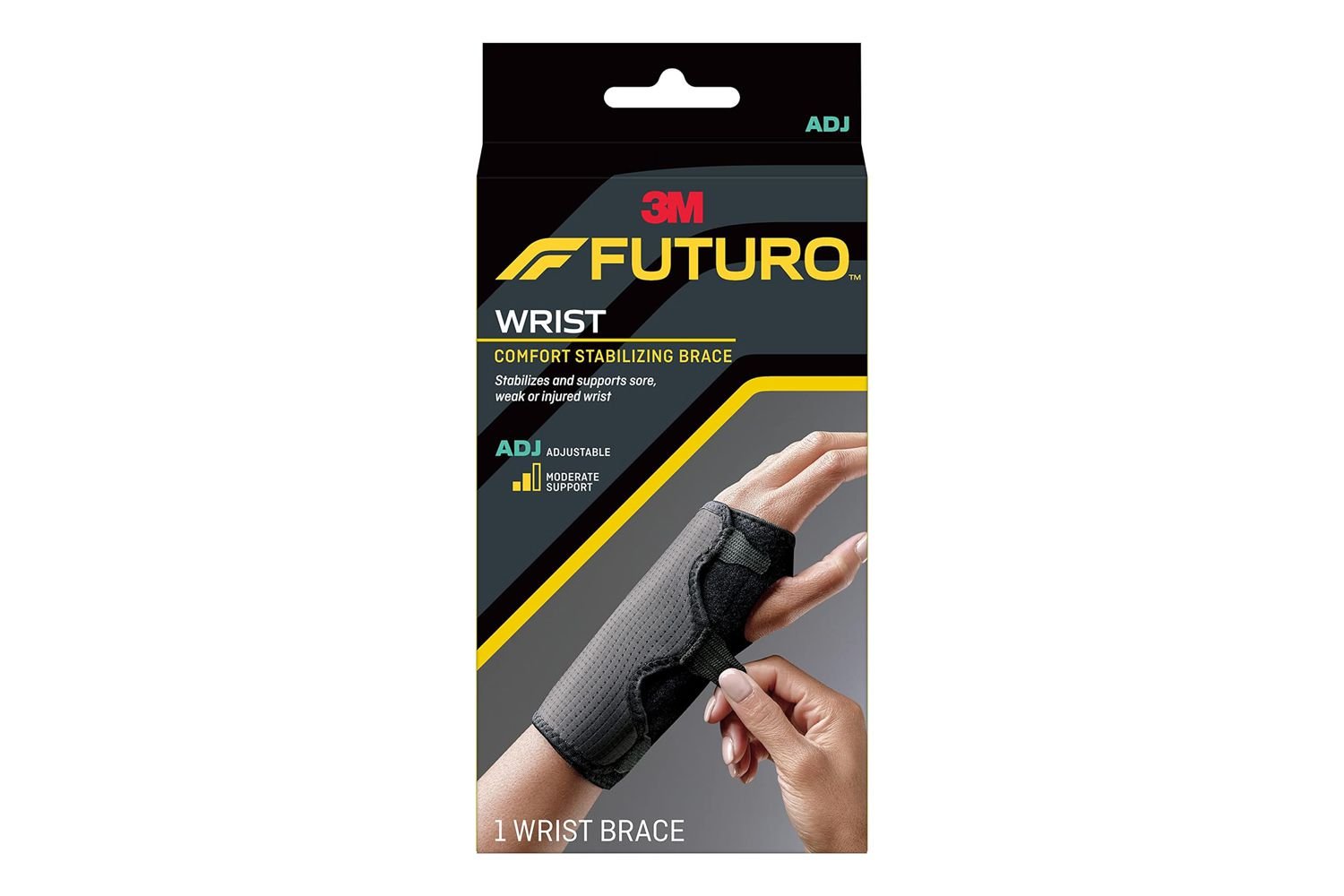
Remember, this table provides general guidance. Individual needs vary, and consulting with a healthcare professional is always recommended to determine the most appropriate brace for your specific situation. It’s also important to understand that while bracing can be very effective, it’s often part of a broader treatment plan. Don’t underestimate the importance of ergonomic adjustments; you might even benefit from the advice in this plan on building upper body strength, as stronger muscles can sometimes help stabilize the wrist.
When it comes to managing carpal tunnel syndrome, patience and persistence are key. It may take time to find the right combination of treatments that works best for you. But with proper care and attention, you can effectively manage your symptoms and maintain a high quality of life. It’s also vital to stay active and maintain a healthy weight; you might be interested in this discussion of protein coffee as a way to support your fitness goals.
This can be tricky because everyone’s body responds differently to treatment. What works wonders for one person might not be as effective for another. That’s why a personalized approach, guided by a healthcare professional, is so important.
Remember, you are not alone in this journey. Carpal tunnel syndrome is a common condition, and there are many resources available to help you manage your symptoms and improve your quality of life. Don’t hesitate to reach out to your doctor, physical therapist, or other healthcare providers for support and guidance. And remember, even small changes in your daily habits can make a big difference in the long run. Consider that some gut issues can cause inflammation, so avoiding these foods could help, even if indirectly.
Frequently Asked Questions About Carpal Tunnel Braces
-
Q: How long should I wear a carpal tunnel brace each day?
A: The duration of brace wear depends on the severity of your symptoms and your doctor’s recommendations. Nighttime bracing is often recommended for 6-8 hours. Daytime bracing may be used for shorter periods during activities that aggravate your symptoms.
-
Q: Can a carpal tunnel brace cure my condition?
A: A carpal tunnel brace can help relieve symptoms and promote nerve healing, but it may not be a permanent cure. In some cases, other treatments, such as lifestyle modifications, exercises, or surgery, may be necessary.
-
Q: How do I clean my carpal tunnel brace?
A: Follow the manufacturer’s instructions for cleaning your brace. Most braces can be hand-washed with mild soap and water and air-dried. Avoid using harsh chemicals or putting the brace in the dryer.
-
Q: What are the potential side effects of wearing a carpal tunnel brace?
A: Potential side effects include skin irritation, discomfort, and stiffness. If you experience any of these side effects, consult with your doctor.
-
Q: How do I know if my carpal tunnel brace is working?
A: You should experience a reduction in your symptoms, such as numbness, tingling, and pain, while wearing the brace. If your symptoms do not improve or worsen, consult with your doctor.
Medical Disclaimer: This article is intended for informational purposes only and does not constitute medical advice. Always consult with a qualified healthcare professional for diagnosis and treatment of carpal tunnel syndrome or any other medical condition.