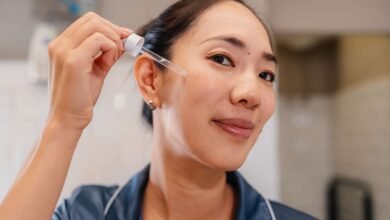
As a general physician, I often encounter patients struggling with dry, irritated skin. It’s a common complaint, and while the solutions might seem simple – drink more water, use moisturizer – truly achieving optimal skin hydration and moisture retention is a more nuanced process. We’re talking about understanding the skin’s physiology, identifying individual risk factors, and implementing a comprehensive strategy that addresses both internal and external factors. The key is not just adding moisture, but helping your skin hold onto it effectively. This requires careful consideration because many products promise hydration but fail to deliver lasting results. In this article, I’ll share my insights on achieving and maintaining healthy, hydrated skin, inside and out.
Dehydration of the skin, or xerosis, is more than just a cosmetic issue; it reflects the skin’s compromised ability to act as an effective barrier. Think of it this way: your skin is like a brick wall, with skin cells as the bricks and lipids and other natural moisturizing factors (NMFs) acting as the mortar. When the mortar is weak or missing, the wall becomes porous, losing water easily. This loss of water leads to the uncomfortable symptoms we associate with dry skin: itchiness, flakiness, and even increased susceptibility to irritation and infection. The epidermis, the outermost layer of skin, relies on adequate hydration to maintain its flexibility and protective functions. Without it, the skin becomes brittle and prone to damage.

The clinical manifestations of dehydrated skin are varied. Some people experience only mild dryness, perhaps with some tightness after showering. Others suffer from severe, persistent itching and scaling. In more severe cases, the skin can crack and bleed, increasing the risk of secondary bacterial infections. I recall a patient, a 60-year-old man, who came to my clinic complaining of intensely itchy skin, especially on his legs. He had been using over-the-counter lotions, but they provided only temporary relief. Upon examination, his skin was visibly dry, cracked, and inflamed. We found that he had underlying eczema exacerbated by dry winter air and infrequent moisturizer use.
Diagnosing skin dehydration is usually straightforward, based on a physical examination and the patient’s history. We look for signs like fine lines, flaking, redness, and a rough texture. Sometimes, we may perform a skin biopsy to rule out other conditions, such as psoriasis or dermatitis, that can mimic dry skin. But generally, the diagnosis is clinical. The workup primarily involves identifying the underlying causes or contributing factors to the dehydration. This might include evaluating the patient’s bathing habits, skincare routine, and any underlying medical conditions like diabetes or thyroid disorders.

Evidence-based treatment approaches for skin dehydration involve a multi-pronged strategy. First and foremost, we focus on restoring the skin barrier function. This means using emollients and moisturizers regularly, especially after bathing. Emollients are substances that fill in the gaps between skin cells, smoothing the surface and reducing water loss. Common emollients include petrolatum, mineral oil, and lanolin. Mineral oil, for example, is an occlusive agent, meaning it forms a protective layer on the skin’s surface, preventing water from evaporating. Be aware of possible irritants in some formulations, though.
Clinical protocols recommend using moisturizers that contain humectants. Humectants are ingredients that attract water to the skin, drawing moisture from the air and the deeper layers of the skin. Hyaluronic acid, glycerin, and urea are examples of effective humectants. Hyaluronic acid is particularly effective because it can hold up to 1000 times its weight in water. Ceramides are also crucial. These are lipids that are naturally found in the skin and help to maintain the skin barrier. Using ceramide-containing moisturizers can help to replenish these lipids and improve skin hydration.
Lifestyle modifications play a crucial role in managing and preventing skin dehydration. One of the most important is to avoid harsh soaps and cleansers that strip the skin of its natural oils. Instead, opt for gentle, fragrance-free cleansers. Hot water can also exacerbate dryness, so it’s best to take shorter, lukewarm showers or baths. Patting the skin dry instead of rubbing it can also help to minimize irritation.

Patient education is paramount. I emphasize the importance of consistent moisturizer use, even when the skin feels adequately hydrated. Prevention is always better than cure. I also advise patients to avoid prolonged exposure to dry air, whether it’s from central heating in the winter or air conditioning in the summer. Using a humidifier can help to add moisture back into the air. When outdoors, protecting the skin from the sun is essential, as sun damage can further impair the skin barrier. Sunscreen is a must, and reapply often, especially after swimming or sweating. Remember to consider the potential benefits of castor oil skin applications as part of a holistic approach to skincare.
Monitoring and follow-up are important to ensure that the treatment plan is effective. I typically schedule follow-up appointments to assess the patient’s progress and make any necessary adjustments to their skincare routine. If the dryness is severe or persistent, I may refer the patient to a dermatologist for further evaluation and treatment. This can be tricky because sometimes what seems like simple dry skin can be a sign of a more serious underlying condition.
When to seek emergency care is a critical aspect of patient education. While dry skin is rarely a medical emergency, it’s important to be aware of potential complications. If the skin becomes severely cracked, infected, or develops open sores, it’s important to seek medical attention promptly. Signs of infection include redness, swelling, pain, and pus. In some cases, cellulitis, a bacterial skin infection, can develop and require antibiotic treatment.
Long-term prognosis and prevention depend on addressing the underlying causes of skin dehydration and maintaining a consistent skincare routine. For many people, dry skin is a chronic condition that requires ongoing management. However, with proper care, it’s possible to keep the skin hydrated, healthy, and comfortable. This remains somewhat mysterious to us, as even with perfect adherence to treatment, some individuals are more prone to dryness than others.

Beyond the basics, there are other factors to consider. Diet plays a role. Ensuring adequate intake of essential fatty acids, found in foods like fish, flaxseeds, and nuts, can support skin health. Also, consider the potential benefits of a flaxseed mask for skin benefits. Staying adequately hydrated by drinking enough water is also important, though its direct impact on skin hydration is often overstated. Remember, external factors like harsh weather conditions can significantly affect skin moisture levels.
Furthermore, I often advise patients to be mindful of their clothing choices. Tight-fitting clothing and certain fabrics can irritate dry skin. Opt for loose-fitting, breathable fabrics like cotton. When washing clothes, use a fragrance-free, hypoallergenic detergent to minimize the risk of irritation. And don’t forget about the impact of sun exposure. Shielding skin from sun is not just about preventing sunburn; it’s also about protecting the skin barrier from damage that can lead to dryness.
Think of it this way: achieving optimal skin hydration is like tending to a garden. You need to provide the right nutrients (diet), protect it from the elements (sunscreen, clothing), and water it regularly (moisturizer, humidifier). It’s an ongoing process that requires patience and attention. While the evidence points to specific ingredients and practices, in practice we often see individual variations in response. What works for one person may not work for another. That’s why it’s important to work with your doctor to develop a personalized skincare plan that meets your specific needs. I’ve had a few patients inquire about using coconut oil skin benefits; while it can be moisturizing, it’s not for everyone, as it can be comedogenic for some.

Finally, remember that consistency is key. It’s not enough to moisturize occasionally; you need to make it a daily habit. And be patient – it can take several weeks to see noticeable improvements in your skin’s hydration levels. If you’re still struggling with dry skin despite your best efforts, don’t hesitate to seek professional help. A dermatologist can help to identify any underlying medical conditions that may be contributing to your dryness and recommend more advanced treatment options.
| Treatment | Mechanism of Action | Benefits | Potential Risks |
|---|---|---|---|
| Emollients (e.g., Petrolatum) | Fills gaps between skin cells, creating a barrier to prevent water loss. | Reduces water loss, softens skin, relieves dryness and itching. | May feel greasy, potential for allergic reaction (rare). |
| Humectants (e.g., Hyaluronic Acid) | Attracts water from the air and deeper layers of the skin. | Increases skin hydration, improves skin elasticity. | May cause irritation in some individuals, can draw moisture from skin in very dry environments. |
| Ceramides | Replenishes natural lipids in the skin barrier. | Strengthens skin barrier, reduces water loss, improves skin texture. | Generally well-tolerated, potential for allergic reaction (rare). |
| Lukewarm Showers | Prevents stripping of natural oils from the skin. | Maintains skin hydration, reduces irritation. | None, but may not be as effective at cleansing as hot showers. |
In conclusion, achieving and maintaining optimal skin hydration is a complex process that requires a holistic approach. By understanding the underlying mechanisms of skin dehydration, implementing evidence-based treatment strategies, and making appropriate lifestyle modifications, you can keep your skin healthy, hydrated, and comfortable. Remember to consult with your healthcare provider for personalized advice and to address any underlying medical conditions that may be contributing to your dry skin.
**Medical Disclaimer:** This article is intended for informational purposes only and does not constitute medical advice. Always consult with a qualified healthcare professional for any health concerns or before making any decisions related to your health or treatment.