Magnesium and Gut Health: A Physician’s Guide
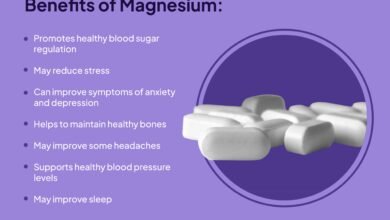
Magnesium is an essential mineral, meaning our bodies need it to function properly, but we can’t produce it ourselves. From my clinical experience with patients, I’ve seen firsthand how crucial magnesium is for various bodily processes, including muscle and nerve function, blood sugar control, and blood pressure regulation. It’s also vital for maintaining healthy bones and producing energy. This is something I discuss with my patients regularly, especially those experiencing digestive issues, because magnesium plays a significant role in gut health.
Magnesium is abundant in many foods, such as leafy green vegetables, nuts, seeds, whole grains, and legumes. However, many people don’t get enough magnesium through diet alone. In our practice, we find that factors like processed foods, certain medications, and chronic health conditions can contribute to magnesium deficiency. When dietary intake is insufficient, magnesium supplements can help bridge the gap. But it’s important to understand that magnesium supplementation isn’t a one-size-fits-all solution. Let me explain this in detail because it’s critical to understand how magnesium impacts your digestive system and how to use it safely and effectively.
The Role of Magnesium in Digestive Health
The relationship between magnesium and the gastrointestinal (GI) system is complex and still being actively researched. What we know from large-scale studies is that magnesium influences several key aspects of digestive function. One of the most significant is its impact on gut motility. Gut motility refers to the movement of food through the digestive tract. Magnesium helps regulate this process by relaxing the intestinal muscles, which allows for smoother and more efficient bowel movements. It also draws water into the intestines, which can soften stool and further ease constipation.
Beyond motility, magnesium appears to play a role in the gut-brain axis. The gut-brain axis is a bidirectional communication network between the digestive system and the central nervous system (CNS). This intricate connection means that what happens in your gut can affect your brain, and vice versa. Magnesium is involved in the production and regulation of neurotransmitters, chemical messengers that transmit signals between nerve cells. By influencing neurotransmitter activity, magnesium may indirectly affect mood, stress levels, and even cognitive function, all of which can impact digestive health.
Emerging research also suggests that magnesium may influence the composition of the gut microbiota. The gut microbiota is the community of trillions of microorganisms, including bacteria, viruses, fungi, and other microbes, that reside in your digestive tract. These microorganisms play a vital role in digestion, nutrient absorption, immune function, and overall health. Studies in animals have shown that magnesium deficiency can lead to a reduction in beneficial gut bacteria, such as Bifidobacterium species, and an increase in inflammatory proteins. While more research is needed in humans, these findings suggest that maintaining adequate magnesium levels may be important for supporting a healthy gut microbiome.
Magnesium for Constipation Relief
One of the most well-known uses of magnesium in digestive health is for the relief of constipation. As I mentioned earlier, magnesium has a laxative effect due to its ability to relax intestinal muscles and draw water into the bowel. This combination helps soften stool and promote bowel movements. Several different forms of magnesium can be used for constipation relief, but some are more effective than others.
Magnesium citrate is a commonly used form of magnesium for constipation. It’s readily available over-the-counter and is generally well-tolerated. However, it can cause diarrhea if taken in excessive doses. Magnesium oxide is another option, but it’s less readily absorbed by the body compared to magnesium citrate, which means it may be less effective for some people. Magnesium sulfate, also known as Epsom salt, is a potent laxative that should be used with caution. It’s typically reserved for more severe cases of constipation and should only be used under the guidance of a healthcare professional. What I tell my patients is this: start with a lower dose of magnesium citrate and gradually increase it until you achieve the desired effect. It’s also important to drink plenty of water to help soften the stool and prevent dehydration.
Magnesium and Inflammatory Bowel Disease (IBD)
Inflammatory bowel disease (IBD) is a group of chronic inflammatory conditions that affect the digestive tract. The two main types of IBD are Crohn’s disease and ulcerative colitis. People with IBD often experience symptoms such as abdominal pain, diarrhea, rectal bleeding, weight loss, and fatigue. Based on current medical evidence, magnesium may play a role in managing IBD symptoms, although more research is needed to fully understand its effects.
Some studies have suggested that people with IBD may have lower levels of magnesium compared to healthy individuals. This could be due to several factors, including malabsorption of nutrients, chronic inflammation, and the use of certain medications. Magnesium deficiency may exacerbate IBD symptoms and contribute to complications. In cases I’ve treated, I’ve observed that magnesium supplementation can help improve some symptoms of IBD, such as abdominal pain and diarrhea. However, it’s important to note that magnesium is not a cure for IBD and should not be used as a replacement for conventional medical treatment. If you have IBD, it’s essential to work closely with your healthcare provider to develop a comprehensive treatment plan that addresses your specific needs.
Magnesium and Heartburn
Heartburn, also known as acid reflux, is a common condition characterized by a burning sensation in the chest. It occurs when stomach acid flows back up into the esophagus, the tube that connects the mouth to the stomach. While not FDA-approved for this purpose, some antacids contain magnesium hydroxide, which helps neutralize stomach acid and provide temporary relief from heartburn symptoms. These antacids work by reacting with stomach acid to form water and other neutral compounds, which reduces the acidity of the stomach contents. However, it’s important to understand that antacids only provide short-term relief and don’t address the underlying cause of heartburn. Frequent or chronic heartburn may be a sign of a more serious condition, such as gastroesophageal reflux disease (GERD), and should be evaluated by a healthcare professional.
It’s worth noting that while magnesium can help relieve heartburn symptoms, it can also worsen them in some people. Magnesium relaxes the lower esophageal sphincter (LES), the muscle that prevents stomach acid from flowing back into the esophagus. If the LES is relaxed, it’s easier for stomach acid to reflux, which can lead to heartburn. Therefore, if you experience heartburn after taking magnesium, it’s best to discontinue use and talk to your doctor.
Potential Risks and Side Effects of Magnesium Supplementation
While magnesium is generally safe for most people, it’s important to be aware of the potential risks and side effects of supplementation. The most common side effect of taking too much magnesium is diarrhea. This is because magnesium has a laxative effect, as I mentioned earlier. Other potential side effects include nausea, abdominal cramping, and gas. In rare cases, very high doses of magnesium can cause more serious side effects, such as irregular heartbeat, low blood pressure, and muscle weakness. This requires careful consideration because people with kidney problems are at higher risk of experiencing these adverse effects.
Magnesium can also interact with certain medications, such as antibiotics, diuretics, and proton pump inhibitors (PPIs). These interactions can affect the absorption or effectiveness of either the magnesium or the medication. Therefore, it’s important to tell your doctor about all the medications and supplements you’re taking before starting magnesium supplementation. I always caution my patients that it’s best to start with a low dose of magnesium and gradually increase it as needed. This can help minimize the risk of side effects. It’s also important to choose a high-quality magnesium supplement from a reputable brand. Not all supplements are created equal, and some may contain contaminants or be poorly absorbed by the body.
Dietary Sources of Magnesium
Before resorting to supplements, it’s always best to try to get enough magnesium through diet. Many foods are rich in magnesium, including:
- Leafy green vegetables, such as spinach and kale
- Nuts and seeds, such as almonds, cashews, and pumpkin seeds
- Whole grains, such as brown rice and quinoa
- Legumes, such as beans and lentils
- Avocados
- Dark chocolate
Eating a balanced diet that includes these foods can help you meet your daily magnesium needs. However, it’s important to note that the magnesium content of foods can vary depending on factors such as soil quality, growing conditions, and processing methods. If you’re concerned about getting enough magnesium through diet alone, talk to your doctor or a registered dietitian. They can help you assess your magnesium intake and determine whether supplementation is necessary.
Magnesium Dosage and Forms
The recommended daily allowance (RDA) for magnesium varies depending on age and sex. For adult men, the RDA is 400-420 mg per day. For adult women, the RDA is 310-320 mg per day. During pregnancy, women need slightly more magnesium, around 350-360 mg per day. It’s important to understand that these are just general guidelines, and your individual magnesium needs may vary depending on your health status and other factors.
As I mentioned earlier, several different forms of magnesium are available in supplement form. Some of the most common include magnesium citrate, magnesium oxide, magnesium chloride, magnesium sulfate, and magnesium glycinate. Each form has its own unique properties and may be better suited for certain purposes. For example, magnesium citrate is often used for constipation relief, while magnesium glycinate is known for its calming effects and may be helpful for improving sleep. The pharmacological mechanism here is that different forms of magnesium have varying degrees of bioavailability, which refers to how well they are absorbed by the body. Magnesium glycinate and magnesium chloride tend to be better absorbed than magnesium oxide. The therapeutic index for this medication is relatively wide, but it’s important to stay within recommended dosages.
When choosing a magnesium supplement, it’s important to consider your individual needs and preferences. Talk to your doctor or pharmacist to determine which form of magnesium is best for you. It’s also important to read the label carefully and follow the dosage instructions. Taking too much magnesium can cause side effects, such as diarrhea, nausea, and abdominal cramping.
When to Seek Medical Attention
While magnesium is generally safe, it’s important to seek medical attention if you experience any serious side effects, such as irregular heartbeat, low blood pressure, muscle weakness, or difficulty breathing. These symptoms could be a sign of magnesium toxicity, which is a rare but potentially life-threatening condition. It’s also important to see a doctor if you have chronic digestive problems, such as IBD or GERD. Magnesium may help relieve some symptoms, but it’s not a substitute for conventional medical treatment. If you have any underlying health conditions, it’s always best to talk to your doctor before starting magnesium supplementation.
Lifestyle Modifications to Support Digestive Health
In addition to magnesium, several other lifestyle modifications can help support digestive health. These include:
- Eating a balanced diet that’s rich in fiber, fruits, and vegetables
- Drinking plenty of water
- Getting regular exercise
- Managing stress
- Getting enough sleep
- Avoiding processed foods, sugary drinks, and excessive alcohol consumption
These lifestyle changes can help improve gut motility, reduce inflammation, and promote a healthy gut microbiome. They can also help prevent constipation, heartburn, and other digestive problems. In my years of practice, one thing has become clear: a holistic approach that combines dietary changes, lifestyle modifications, and, when necessary, magnesium supplementation can be highly effective for improving digestive health.
Magnesium and Exercise
It’s worth noting that exercise can also impact magnesium levels. During physical activity, your body uses magnesium for muscle contraction and energy production. This can lead to a depletion of magnesium stores, especially if you’re engaging in intense or prolonged exercise. Therefore, athletes and active individuals may need to consume more magnesium than sedentary people. Consider incorporating some core tightening exercises into your routine to further support your digestive health by improving overall physical fitness.
However, it’s also important to avoid overtraining, which can lead to chronic stress and inflammation. Chronic stress can disrupt the gut microbiome and contribute to digestive problems. Therefore, it’s important to find a balance between exercise and rest. Getting enough sleep is also crucial for recovery and overall health. Aim for at least 7-8 hours of sleep per night. If you’re having trouble sleeping, consider trying relaxation techniques, such as meditation or yoga. You might also consider some cardio workouts at home to improve your overall cardiovascular health, which can indirectly benefit your digestive system.
Magnesium: A Summary
Magnesium is an essential mineral that plays a vital role in digestive health. It can help relieve constipation, reduce symptoms of IBD, and neutralize stomach acid. However, it’s important to use magnesium safely and effectively. Talk to your doctor before starting magnesium supplementation, especially if you have any underlying health conditions or are taking any medications. Start with a low dose and gradually increase it as needed. Choose a high-quality magnesium supplement from a reputable brand. And remember, magnesium is just one piece of the puzzle. Lifestyle modifications, such as eating a balanced diet, drinking plenty of water, and managing stress, are also crucial for supporting digestive health.
From a preventive medicine perspective, ensuring adequate magnesium intake through diet and, when necessary, supplementation, is a proactive step towards maintaining optimal digestive function and overall well-being. The nuance here is important from a medical standpoint; it’s not about blindly taking supplements, but rather about understanding your individual needs and working with your healthcare provider to develop a personalized plan.
Let me put this in perspective for you: think of magnesium as a key player in a complex orchestra. It needs to be in tune with all the other instruments (nutrients, lifestyle factors, medications) to create a harmonious and healthy digestive system. By understanding its role and using it wisely, you can help keep your gut in tune and enjoy a better quality of life.
It’s important to understand that the information provided here is for educational purposes only and should not be considered medical advice. Always consult with your healthcare provider before making any changes to your diet or supplement regimen. They can help you determine the best course of action based on your individual needs and health status.
For more information on maintaining a healthy diet, consider exploring the benefits of frozen fruits and vegetables, which can be a convenient and nutritious way to increase your intake of essential nutrients, including magnesium.
For those interested in learning more about the role of supplements in overall health, you may find helpful information in these science-backed health benefits of CoQ10 and turmeric curcumin supplements medical resources.
Magnesium Supplement Comparison Table
Here’s a comparison of common magnesium supplements:
| Type of Magnesium | Bioavailability | Common Uses | Potential Side Effects |
|---|---|---|---|
| Magnesium Citrate | Good | Constipation relief, general magnesium supplementation | Diarrhea, abdominal cramping |
| Magnesium Oxide | Poor | Constipation relief, antacid | Diarrhea, nausea |
| Magnesium Chloride | Good | General magnesium supplementation, muscle soreness | Diarrhea, skin irritation (topical) |
| Magnesium Sulfate (Epsom Salt) | Moderate | Severe constipation relief (use with caution) | Diarrhea, dehydration, electrolyte imbalance |
| Magnesium Glycinate | Excellent | General magnesium supplementation, sleep improvement, anxiety relief | Generally well-tolerated, mild diarrhea in some cases |
MEDICAL DISCLAIMER: This content is for educational purposes only and does not constitute medical advice. Always consult a qualified healthcare provider for diagnosis, treatment, and medical concerns. The information provided is not a substitute for professional medical evaluation.
Important Medical Information
This article is for educational purposes only and does not constitute medical advice, diagnosis, or treatment. Always consult a qualified healthcare provider for personalized medical recommendations. The information presented is based on current medical evidence and clinical guidelines but should not replace professional medical evaluation or treatment plans.