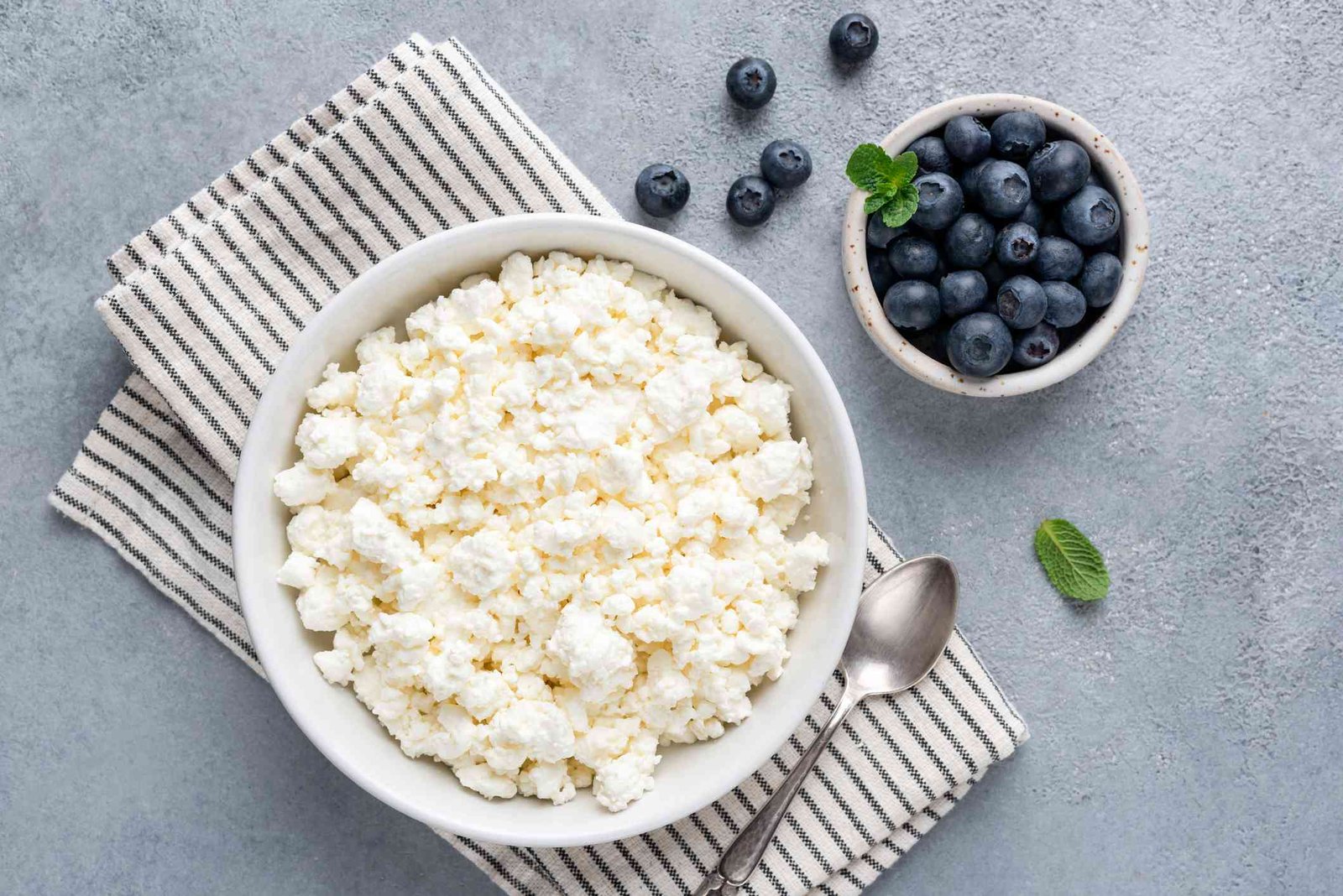
Cottage cheese often gets overlooked, but as a physician, I see it as a nutritional powerhouse. It’s a simple food packed with protein and essential nutrients. In our practice, we consistently find that incorporating cottage cheese into a balanced diet can have a positive impact on overall health. This article will delve into the science-backed benefits of regular cottage cheese consumption, offering a comprehensive guide to understanding its effects on your body.
The Nutritional Profile of Cottage Cheese
Before we dive into the specific benefits, let’s examine what makes cottage cheese so special. It’s primarily composed of milk curds, resulting in a high protein content and a relatively low calorie count. This requires careful consideration because the specific nutritional composition can vary slightly depending on the brand and fat content (nonfat, low-fat, or full-fat).
Here’s a general breakdown of the nutritional value of a half-cup (about 4 ounces) serving of low-fat cottage cheese:
- Calories: Around 80-120
- Protein: 12-14 grams
- Fat: 1-5 grams (depending on fat content)
- Carbohydrates: 3-5 grams
- Sodium: Varies widely; check the label
- Calcium: Approximately 8% of the Daily Value (DV)
- Phosphorus: Approximately 15% of the DV
- Selenium: Approximately 20% of the DV
- Vitamin B12: Approximately 15% of the DV
Cottage cheese also contains smaller amounts of other vitamins and minerals, making it a well-rounded addition to a healthy diet.
Impact on Muscle Health and Metabolism
One of the primary reasons I recommend cottage cheese to many of my patients is its high protein content. Protein is essential for building and repairing muscle tissue, making it particularly beneficial for athletes, active individuals, and those looking to maintain muscle mass as they age. I recall a patient, a 60-year-old man, who was struggling with age-related muscle loss (sarcopenia). We incorporated cottage cheese into his diet, along with a resistance training program, and saw a noticeable improvement in his strength and overall mobility.
The protein in cottage cheese is primarily casein, a slow-digesting protein. This means that it provides a sustained release of amino acids into the bloodstream, which can be particularly helpful for muscle recovery after exercise and for preventing muscle breakdown during periods of fasting or sleep. In our practice, we consistently find that patients who consume cottage cheese before bed report feeling fuller for longer and experience less muscle soreness after workouts.
Furthermore, the protein in cottage cheese can also boost metabolism. The body burns more calories digesting protein compared to carbohydrates or fats. This thermic effect of food can contribute to weight management and overall metabolic health.
Cottage Cheese and Bone Health
Cottage cheese provides calcium and phosphorus, two essential minerals for maintaining strong and healthy bones. Calcium is the primary building block of bone tissue, while phosphorus plays a crucial role in calcium absorption and bone mineralization. Adequate intake of these minerals is vital for preventing osteoporosis and reducing the risk of fractures, especially as we age.
The consensus in the medical community is that a diet rich in calcium and phosphorus, combined with weight-bearing exercise, is the best way to promote bone health throughout life. Cottage cheese can be a convenient and delicious way to increase your intake of these essential minerals.
The Role of Cottage Cheese in Weight Management
As mentioned earlier, the high protein content of cottage cheese can promote satiety and reduce overall calorie intake. Protein helps to regulate appetite hormones, such as ghrelin and leptin, which control feelings of hunger and fullness. By keeping you feeling full for longer, cottage cheese can help you avoid overeating and maintain a healthy weight.
This can be tricky because some people find the texture of cottage cheese unappealing. However, there are many ways to incorporate it into your diet, such as adding it to smoothies, mixing it with fruit, or using it as a topping for salads. Experimenting with different flavors and combinations can help you find ways to enjoy cottage cheese and reap its weight management benefits. It’s important to be mindful of portion sizes, as even healthy foods can contribute to weight gain if consumed in excess. It is important to also consider the potential emotional factors that contribute to weight loss. LINK 4 details the signs that someone may be too focused on weight loss and its potential negative consequences.
Cottage Cheese and Gut Health
While cottage cheese isn’t typically considered a primary source of probiotics, some varieties may contain live and active cultures. These beneficial bacteria can contribute to a healthy gut microbiome, which is essential for digestion, immunity, and overall health. Look for cottage cheese brands that specifically mention live and active cultures on the label.
A healthy gut microbiome can improve nutrient absorption, reduce inflammation, and even influence mood and cognitive function. Including probiotic-rich foods like cottage cheese in your diet can support a thriving gut ecosystem. If you are looking to improve your gut health, it is also beneficial to avoid the worst foods for your gut. LINK 5 lists some of the foods that can harm your gut and some healthier alternatives.
However, it’s important to note that not all cottage cheese contains probiotics, and the amount of beneficial bacteria can vary. If you’re specifically looking to improve your gut health, consider incorporating other probiotic-rich foods like yogurt, kefir, and fermented vegetables into your diet.
Potential Drawbacks and Considerations
While cottage cheese offers numerous health benefits, there are a few potential drawbacks to consider:
- Sodium Content: Some brands of cottage cheese can be high in sodium. If you’re watching your sodium intake, choose low-sodium varieties or rinse the cottage cheese before eating it.
- Lactose Intolerance: Cottage cheese contains lactose, a sugar found in milk. If you’re lactose intolerant, you may experience digestive issues like bloating, gas, and diarrhea after consuming cottage cheese. Lactose-free cottage cheese options are available.
- Allergies: People with milk allergies should avoid cottage cheese.
It’s always a good idea to read the nutrition label carefully and choose cottage cheese that fits your individual dietary needs and preferences. If you have any concerns about consuming cottage cheese, talk to your doctor or a registered dietitian.
| Type | Calories | Protein (g) | Fat (g) | Sodium (mg) |
|---|---|---|---|---|
| Nonfat | 80 | 14 | 0 | 400 |
| Low-fat (1%) | 90 | 12 | 1 | 350 |
| Regular (4%) | 120 | 12 | 5 | 300 |
Incorporating Cottage Cheese into Your Diet
Cottage cheese is a versatile food that can be enjoyed in many different ways. Here are some ideas for incorporating it into your diet:
- Breakfast: Top cottage cheese with fruit, granola, or nuts for a protein-packed breakfast.
- Lunch: Add cottage cheese to salads or sandwiches for a boost of protein and creaminess.
- Snack: Enjoy cottage cheese with vegetables or crackers for a healthy and satisfying snack.
- Dinner: Use cottage cheese as a filling for stuffed peppers or lasagna.
- Dessert: Blend cottage cheese with fruit and honey for a healthy and delicious dessert.
Get creative and experiment with different flavors and combinations to find ways to enjoy cottage cheese that suit your taste. The key point I want to emphasize is that consistency is key. Regular consumption of cottage cheese, as part of a balanced diet, is more likely to yield noticeable health benefits.
The Importance of Choosing the Right Cottage Cheese
Not all cottage cheese is created equal. As I mentioned earlier, the nutritional content can vary depending on the brand and fat content. When choosing cottage cheese, consider the following factors:
- Fat Content: Choose the fat content that aligns with your dietary goals. Nonfat and low-fat options are lower in calories and fat, while full-fat options are richer and more flavorful.
- Sodium Content: Opt for low-sodium varieties if you’re watching your sodium intake.
- Ingredients: Look for cottage cheese with minimal ingredients and no artificial additives.
- Live and Active Cultures: If you’re looking for probiotic benefits, choose cottage cheese that specifically mentions live and active cultures on the label.
Reading the nutrition label carefully can help you make an informed decision and choose the best cottage cheese for your needs.
Cottage Cheese and Exercise Recovery
As a physician, I often advise patients on strategies for optimizing exercise recovery. The protein in cottage cheese, particularly the slow-digesting casein, makes it an excellent choice for post-workout recovery. Consuming cottage cheese after exercise can help repair muscle tissue, reduce muscle soreness, and promote muscle growth.
The sustained release of amino acids from casein helps to prevent muscle breakdown during the recovery period. This is particularly important after intense workouts or endurance activities. Consider pairing cottage cheese with a source of carbohydrates, such as fruit or whole-grain crackers, to replenish glycogen stores and further enhance recovery.
Cottage Cheese and Sleep
Many people are surprised to learn that cottage cheese can also promote better sleep. Casein protein has been shown to have a calming effect on the nervous system, which can help you fall asleep faster and sleep more soundly. Additionally, cottage cheese contains tryptophan, an amino acid that the body uses to produce melatonin, a hormone that regulates sleep.
Consuming a small serving of cottage cheese before bed can be a natural and effective way to improve sleep quality. This is especially beneficial for individuals who struggle with insomnia or other sleep disorders. Consider adding a sprinkle of cinnamon or a drizzle of honey for added flavor and potential sleep-enhancing benefits.
The Impact of Cottage Cheese on Satiety and Appetite Control
The high protein content of cottage cheese plays a significant role in promoting satiety and controlling appetite. Protein is more satiating than carbohydrates or fats, meaning that it helps you feel fuller for longer. This can lead to a reduction in overall calorie intake and support weight management efforts.
Protein also helps to regulate appetite hormones, such as ghrelin and leptin. Ghrelin stimulates appetite, while leptin signals fullness. By increasing leptin levels and decreasing ghrelin levels, protein can help you control your cravings and avoid overeating. Cottage cheese can be a valuable tool for managing appetite and achieving your weight loss or weight maintenance goals.
Cottage Cheese and Mental Well-being
While the direct link between cottage cheese and mental well-being is still being researched, there are several indirect ways in which it can contribute to a positive mood. The nutrients in cottage cheese, such as vitamin B12 and selenium, play a role in brain function and neurotransmitter production. Additionally, a healthy diet, rich in protein and essential nutrients, can support overall mental health.
Furthermore, the satisfying and filling nature of cottage cheese can help to prevent mood swings and cravings associated with hunger. By providing a sustained release of energy, cottage cheese can help you maintain a stable mood throughout the day. It’s important to remember that mental well-being is complex and multifaceted, and a healthy diet is just one piece of the puzzle. If you are struggling with mental health issues, it is essential to seek professional help.
Cottage Cheese and Blood Sugar Control
The low carbohydrate content and high protein content of cottage cheese make it a good choice for individuals looking to manage their blood sugar levels. Protein helps to slow down the absorption of carbohydrates, preventing rapid spikes in blood sugar after meals. This can be particularly beneficial for people with diabetes or insulin resistance.
Furthermore, the sustained release of amino acids from casein can help to maintain stable blood sugar levels throughout the day. Cottage cheese can be incorporated into meals and snacks to help regulate blood sugar and prevent energy crashes. It’s important to monitor your blood sugar levels regularly and work with your doctor or a registered dietitian to develop a personalized meal plan that meets your individual needs.
Cottage Cheese and Cardiovascular Health
While cottage cheese does contain some saturated fat, it can still be part of a heart-healthy diet when consumed in moderation. The key is to choose low-fat or nonfat varieties and to balance your overall intake of saturated fat with unsaturated fats from sources like olive oil, avocados, and nuts.
The protein in cottage cheese can also contribute to cardiovascular health by helping to lower blood pressure and improve cholesterol levels. Additionally, the calcium in cottage cheese can help to protect against heart disease. It’s important to consult with your doctor or a registered dietitian to develop a heart-healthy eating plan that is tailored to your individual risk factors and needs.
Cottage Cheese and Hydration
Cottage cheese has a high water content, which can contribute to overall hydration. Staying adequately hydrated is essential for numerous bodily functions, including regulating body temperature, transporting nutrients, and removing waste products. While cottage cheese should not be your sole source of hydration, it can be a helpful addition to your fluid intake, especially during hot weather or after exercise.
Consider pairing cottage cheese with hydrating fruits and vegetables, such as watermelon, cucumbers, or berries, for an extra boost of hydration. Remember to drink plenty of water throughout the day to maintain optimal hydration levels.
When to Seek Medical Advice
While cottage cheese is generally a safe and healthy food, there are certain situations in which you should seek medical advice. If you experience any of the following symptoms after consuming cottage cheese, consult with your doctor:
- Severe allergic reaction (hives, swelling, difficulty breathing)
- Persistent digestive issues (bloating, gas, diarrhea)
- Unexplained weight gain or loss
- Changes in bowel habits
These symptoms could indicate an underlying health condition that requires medical attention. It’s always best to err on the side of caution and seek professional medical advice if you have any concerns about your health.
Long-Term Prognosis and Prevention
The long-term prognosis for individuals who regularly consume cottage cheese as part of a balanced diet is generally positive. Cottage cheese can contribute to improved muscle health, bone health, weight management, and overall well-being. However, it’s important to remember that cottage cheese is just one component of a healthy lifestyle. To maximize the benefits of cottage cheese, it should be combined with a balanced diet, regular exercise, and adequate sleep.
Preventive measures, such as choosing low-sodium and low-fat varieties of cottage cheese, can help to minimize potential drawbacks and optimize the health benefits. It’s also important to be mindful of portion sizes and to consume cottage cheese in moderation. By incorporating cottage cheese into a healthy lifestyle, you can improve your long-term prognosis and prevent various health problems.
The key point I want to emphasize is that the consumption of cottage cheese is not a magic bullet. However, when incorporated mindfully into a balanced dietary pattern and active lifestyle, it can certainly contribute to overall wellness. Thinking about boosting your energy levels? LINK 6 details natural energy boosters that can help without the jitters of caffeine.
The Versatility of Cottage Cheese in Different Diets
One of the reasons I often recommend cottage cheese is its adaptability to various dietary patterns. Whether you’re following a low-carb, high-protein, vegetarian, or even a Mediterranean diet, cottage cheese can often find a place. For example, those on a ketogenic diet might opt for full-fat cottage cheese to increase their fat intake, while those on a low-carb diet can appreciate its minimal carbohydrate content. Vegetarians benefit from its high protein content, helping them meet their daily protein needs without relying solely on meat sources. This requires careful consideration because portion sizes and accompanying foods should always align with the specific goals of the diet.
Furthermore, the mild flavor of cottage cheese makes it an excellent base for experimentation. You can add sweet or savory ingredients to tailor it to your taste preferences and dietary requirements. From berries and honey to herbs and spices, the possibilities are endless.
Addressing Common Misconceptions About Cottage Cheese
There are a few common misconceptions about cottage cheese that I’d like to address. One is that it’s a boring and bland food. While plain cottage cheese may not be the most exciting thing on its own, its versatility allows you to create delicious and satisfying meals and snacks. Another misconception is that it’s only for older people. While it’s true that cottage cheese can be beneficial for maintaining muscle mass as we age, it’s a healthy food for people of all ages.
It is important to also dispel the myth that all dairy products are unhealthy. While some individuals may have sensitivities or allergies to dairy, cottage cheese can be a nutritious part of a balanced diet for most people. The key is to choose the right type of cottage cheese and to consume it in moderation. If you are an athlete, then you might want to consider that protein coffee is a tasty and healthy drink. LINK 2 details how to make a protein coffee and its benefits for athletes.
The Future of Cottage Cheese Research
We don’t have all the answers yet, but research is ongoing to further explore the health benefits of cottage cheese. Future studies may investigate its role in preventing chronic diseases, such as heart disease and diabetes, as well as its impact on gut health and mental well-being. As a physician, I am always eager to learn more about the potential benefits of this versatile and nutritious food. As research evolves, I will continue to update my recommendations to ensure that my patients receive the best possible care.
Frequently Asked Questions About Cottage Cheese and Health
-
Is cottage cheese good for weight loss?
Yes, cottage cheese can be a helpful tool for weight loss due to its high protein content, which promotes satiety and reduces overall calorie intake.
-
Is cottage cheese a good source of protein?
Absolutely! Cottage cheese is an excellent source of protein, particularly casein, which is a slow-digesting protein that helps with muscle recovery and prevents muscle breakdown.
-
Can I eat cottage cheese if I’m lactose intolerant?
If you’re lactose intolerant, you may experience digestive issues after consuming cottage cheese. However, lactose-free cottage cheese options are available.
-
Is cottage cheese high in sodium?
Some brands of cottage cheese can be high in sodium. If you’re watching your sodium intake, choose low-sodium varieties or rinse the cottage cheese before eating it.
-
How can I incorporate cottage cheese into my diet?
Cottage cheese is a versatile food that can be enjoyed in many different ways, such as adding it to smoothies, mixing it with fruit, or using it as a topping for salads.
LINK 4 – signs you may be too focused on weight loss
LINK 5 – worst foods for your gut
LINK 6 – natural energy boosters
LINK 2 – protein coffee
Medical Disclaimer: This article is intended for informational purposes only and does not constitute medical advice. Always consult with a qualified healthcare professional for any health concerns or before making any decisions related to your health or treatment.


