Magnesium Supplements: Choosing the Right Type for Your Needs
As a physician, I often encounter patients asking about supplements, and magnesium is a frequent topic. This is something I discuss with my patients regularly because magnesium plays a crucial role in many bodily functions. It’s involved in everything from muscle and nerve function to blood sugar control and blood pressure regulation. However, not all magnesium supplements are created equal. Different forms of magnesium offer distinct benefits and have varying levels of bioavailability, which is how well your body can absorb and use them. Let me explain this in detail because it’s critical to understand which type might be best suited for your individual health needs.
Understanding Magnesium and Its Importance
Magnesium is an essential mineral, meaning our bodies can’t produce it, and we must obtain it through diet or supplementation. It participates in over 300 enzymatic reactions, impacting energy production, protein synthesis, and even DNA replication. Many people don’t get enough magnesium through their diet alone, which can lead to a deficiency. Symptoms of magnesium deficiency can include muscle cramps, fatigue, irritability, and even more serious issues like abnormal heart rhythms. What most people don’t realize—and this is important—is that chronic low levels of magnesium can contribute to long-term health problems. The recommended daily intake of magnesium varies depending on age and sex, but generally ranges from 310 to 420 mg for adults.
Why Consider Magnesium Supplements?
While a balanced diet rich in magnesium-containing foods like leafy green vegetables, nuts, seeds, and whole grains is ideal, sometimes supplementation is necessary. Factors like certain medical conditions (e.g., Crohn’s disease, celiac disease), medications (e.g., diuretics, proton pump inhibitors), and age-related changes can impair magnesium absorption or increase its excretion. In cases I’ve treated, I’ve observed that patients with chronic gastrointestinal issues often struggle to maintain adequate magnesium levels through diet alone. This is where magnesium supplements can play a vital role in bridging the gap and supporting overall health. It’s also important to consider that the processing of foods can reduce the magnesium content, further contributing to potential deficiencies.
Different Types of Magnesium Supplements: A Detailed Comparison
Here’s what you need to know from a medical perspective: the market offers a variety of magnesium supplements, each with unique characteristics. Understanding these differences is crucial for making an informed choice. Let’s break this down in a way that’s practical.
- Magnesium Oxide: This form contains a high amount of magnesium per dose, making it a cost-effective option. However, it has relatively poor bioavailability, meaning your body doesn’t absorb it efficiently. It’s often used as a laxative due to its tendency to draw water into the intestines.
- Magnesium Citrate: This is one of the most commonly available and affordable forms of magnesium. It has better bioavailability than magnesium oxide and is often used to treat constipation. However, it can also cause diarrhea in some individuals, especially at higher doses.
- Magnesium Chloride: This form is easily absorbed by the body and is often found in topical products like lotions and oils. It can be beneficial for muscle soreness and skin health.
- Magnesium Lactate: This is a gentle form of magnesium that is well-tolerated, even by individuals with sensitive digestive systems. It’s often recommended for people who need to take magnesium supplements long-term.
- Magnesium Malate: This form combines magnesium with malic acid, which is involved in energy production. It’s often recommended for individuals with fatigue and fibromyalgia.
- Magnesium Glycinate: This form is highly bioavailable and gentle on the stomach. It’s often recommended for individuals with anxiety, insomnia, and muscle cramps. The glycine component has calming properties.
- Magnesium Taurate: This form combines magnesium with taurine, an amino acid that supports cardiovascular health. It may be beneficial for individuals with high blood pressure or other heart conditions.
- Magnesium Sulfate: Also known as Epsom salt, this form is typically used in bath soaks to relieve muscle soreness and promote relaxation. It’s not usually taken orally due to its strong laxative effect.
- Magnesium Orotate: This form combines magnesium with orotic acid, which is involved in DNA synthesis. Some studies suggest it may have benefits for heart health and exercise performance, but more research is needed.
To further illustrate the differences, here’s a comparison table:
| Magnesium Type | Bioavailability | Primary Uses | Potential Side Effects |
|---|---|---|---|
| Magnesium Oxide | Low | Constipation relief | Diarrhea, abdominal cramping |
| Magnesium Citrate | Moderate | Constipation relief, general magnesium supplementation | Diarrhea, abdominal cramping |
| Magnesium Chloride | High | Topical use for muscle soreness, general magnesium supplementation | Skin irritation (topical), diarrhea (oral) |
| Magnesium Lactate | Moderate | General magnesium supplementation, well-tolerated for long-term use | Mild gastrointestinal upset |
| Magnesium Malate | Moderate | Fatigue, fibromyalgia | Mild gastrointestinal upset |
| Magnesium Glycinate | High | Anxiety, insomnia, muscle cramps | Rare gastrointestinal upset |
| Magnesium Taurate | Moderate | Cardiovascular health | Rare gastrointestinal upset |
| Magnesium Sulfate (Epsom Salt) | Low (oral), High (topical) | Muscle soreness (bath soak) | Diarrhea (oral), skin irritation (topical) |
| Magnesium Orotate | Moderate | Heart health, exercise performance (preliminary research) | Rare gastrointestinal upset |
Choosing the Right Magnesium Supplement: A Personalized Approach
The best type of magnesium supplement for you depends on your individual needs and health conditions. Here’s what the research actually shows:
- For Constipation: Magnesium oxide or citrate can be effective due to their laxative properties. However, be mindful of potential diarrhea.
- For Muscle Cramps: Magnesium glycinate or chloride may be beneficial due to their high bioavailability and role in muscle function.
- For Anxiety and Insomnia: Magnesium glycinate is often recommended due to its calming effects.
- For Fatigue: Magnesium malate may help improve energy levels.
- For Heart Health: Magnesium taurate or orotate may offer cardiovascular benefits, but more research is needed.
- For General Magnesium Supplementation: Magnesium citrate, chloride, or lactate are good options with reasonable bioavailability and tolerability.
A patient I saw last month was experiencing frequent muscle cramps, particularly at night. After discussing her diet and medical history, we determined she likely had a magnesium deficiency. I recommended magnesium glycinate, and within a few weeks, she reported a significant reduction in her cramps. This is where clinical experience meets the data – tailoring the recommendation to the patient’s specific needs.
Dosage and Administration Considerations
The appropriate dosage of magnesium supplements varies depending on the form of magnesium, the individual’s age, health status, and the reason for supplementation. It’s important to start with a low dose and gradually increase it as needed to minimize the risk of side effects. What I tell my patients is this: always follow the manufacturer’s instructions or your healthcare provider’s recommendations. In our practice, we find that dividing the daily dose into smaller doses taken throughout the day can improve absorption and reduce the risk of gastrointestinal upset. It’s also worth noting that some medications can interact with magnesium supplements, so it’s important to inform your doctor about all the medications and supplements you are taking.
Potential Side Effects and Precautions
While magnesium supplements are generally safe, they can cause side effects in some individuals, particularly at high doses. The most common side effects are diarrhea, abdominal cramping, and nausea. In rare cases, magnesium toxicity can occur, especially in individuals with kidney problems. Symptoms of magnesium toxicity can include muscle weakness, confusion, and irregular heartbeat. It’s important to understand that individuals with kidney disease should use magnesium supplements with caution and under the supervision of a healthcare provider. Let me clarify a common misconception: more is not always better when it comes to supplements. It’s crucial to stay within the recommended dosage range.
Dietary Sources of Magnesium
Before we continue, let me clarify something important: while supplements can be helpful, it’s always best to obtain nutrients from whole foods whenever possible. Here are some excellent dietary sources of magnesium:
- Leafy Green Vegetables: Spinach, kale, and collard greens are packed with magnesium.
- Nuts and Seeds: Almonds, cashews, pumpkin seeds, and flaxseeds are good sources.
- Whole Grains: Brown rice, quinoa, and oats provide magnesium.
- Legumes: Black beans, kidney beans, and lentils are rich in magnesium.
- Dark Chocolate: A delicious way to boost your magnesium intake (in moderation, of course!).
- Avocados: Another tasty and healthy source of magnesium.
Encouraging patients to incorporate these foods into their diet is a key part of managing magnesium levels. The medical community’s consensus is that a balanced diet is the foundation of good health.
When to Seek Medical Advice
It’s important to consult with your healthcare provider before starting any new supplement, including magnesium. This is especially important if you have any underlying health conditions or are taking medications. Here’s what concerns me—and it might concern you too: certain medical conditions, such as kidney disease and heart problems, can affect how your body processes magnesium. Additionally, some medications, such as diuretics and proton pump inhibitors, can interfere with magnesium absorption. Your doctor can help you determine if magnesium supplementation is right for you and recommend the appropriate type and dosage. In the ER, we often see patients who have taken excessive amounts of supplements without consulting a doctor, leading to adverse effects. This requires careful consideration because patient safety is paramount.
Long-Term Management and Monitoring
If you are taking magnesium supplements long-term, it’s important to have your magnesium levels monitored regularly by your healthcare provider. This will help ensure that you are not taking too much or too little magnesium. The evidence-based approach is to monitor serum magnesium levels, especially in individuals with kidney disease or those taking medications that can affect magnesium levels. It’s also important to be aware of the signs and symptoms of magnesium deficiency and toxicity and to report any concerns to your doctor. From a clinical standpoint, regular monitoring allows us to adjust the dosage as needed and prevent potential complications.
The Role of Magnesium in Overall Health
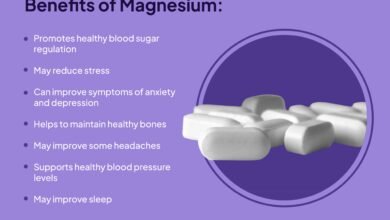
Magnesium is not just important for muscle function and energy production; it also plays a vital role in many other aspects of health. Studies have shown that adequate magnesium intake may help reduce the risk of chronic diseases such as heart disease, type 2 diabetes, and osteoporosis. The reason this matters is that magnesium helps regulate blood pressure, blood sugar, and bone density. Additionally, magnesium has antioxidant and anti-inflammatory properties, which can protect against cellular damage. In my years of practice, one thing has become clear: maintaining adequate magnesium levels is essential for overall health and well-being.
Magnesium and Bone Health
Magnesium plays a crucial role in bone health by influencing the activity of osteoblasts (bone-building cells) and osteoclasts (bone-resorbing cells). It also affects the metabolism of vitamin D, which is essential for calcium absorption and bone mineralization. Research suggests that adequate magnesium intake may help increase bone density and reduce the risk of osteoporosis, particularly in postmenopausal women. What the medical literature tells us is that magnesium deficiency can impair bone formation and increase bone loss. Therefore, ensuring adequate magnesium intake is an important part of maintaining strong and healthy bones.
Magnesium and Cardiovascular Health
Magnesium is essential for maintaining healthy blood pressure and heart rhythm. It helps relax blood vessels, which can lower blood pressure. It also plays a role in regulating the electrical activity of the heart, which can prevent arrhythmias (irregular heartbeats). Studies have shown that adequate magnesium intake may help reduce the risk of heart disease, stroke, and sudden cardiac death. Think of your cardiovascular system like a complex electrical circuit; magnesium helps keep the current flowing smoothly. The pharmacological mechanism here is that magnesium acts as a natural calcium channel blocker, promoting vasodilation and reducing blood pressure.
Magnesium and Blood Sugar Control
Magnesium plays a crucial role in insulin sensitivity and glucose metabolism. It helps insulin transport glucose from the bloodstream into cells, where it can be used for energy. Magnesium deficiency can impair insulin sensitivity, leading to insulin resistance and increased risk of type 2 diabetes. Studies have shown that magnesium supplementation may improve blood sugar control in individuals with type 2 diabetes. Imagine insulin as a key that unlocks cells to allow glucose in; magnesium helps that key work more effectively. Let me explain why this matters for your health: proper blood sugar control is essential for preventing long-term complications of diabetes, such as nerve damage, kidney damage, and eye damage.
Magnesium and Mental Health
Emerging research suggests that magnesium may play a role in mental health. Magnesium is involved in the production of neurotransmitters, such as serotonin and dopamine, which regulate mood and emotions. Some studies have shown that magnesium supplementation may help reduce symptoms of anxiety and depression. However, more research is needed to confirm these findings. It’s important to understand that mental health is complex and multifaceted, and magnesium is just one piece of the puzzle. Always consult with a mental health professional for diagnosis and treatment of mental health conditions.
Navigating the Supplement Aisle: What to Look For
When choosing a magnesium supplement, it’s important to consider the following factors:
- Form of Magnesium: As discussed earlier, different forms of magnesium have different bioavailability and uses.
- Dosage: Choose a supplement that provides an appropriate dosage of magnesium based on your individual needs.
- Quality: Look for supplements that have been third-party tested for purity and potency. This ensures that the supplement contains what it claims to contain and is free from contaminants.
- Ingredients: Check the ingredient list for any unnecessary additives or allergens.
- Brand Reputation: Choose a reputable brand with a history of producing high-quality supplements.
Let’s discuss what this means for you: taking the time to research and choose a high-quality supplement can make a big difference in its effectiveness and safety.
Integrating Magnesium into Your Lifestyle
In practical terms, this means making conscious choices about your diet and lifestyle. Here are some tips for increasing your magnesium intake:
- Eat a balanced diet rich in magnesium-containing foods.
- Limit your intake of processed foods, which are often low in magnesium.
- Avoid excessive alcohol consumption, which can interfere with magnesium absorption.
- Manage stress, as chronic stress can deplete magnesium levels.
- Consider taking a magnesium supplement if you are at risk of deficiency.
Here’s how this affects treatment decisions: lifestyle modifications can often complement medical treatments and improve overall health outcomes.
For comprehensive diabetes management strategies, our evidence-based treatment protocols provide detailed therapeutic guidelines. For individuals experiencing carsickness, understanding the underlying causes can help mitigate symptoms; medical resources offer insights into the physiological mechanisms involved. Additionally, being mindful of potential risks associated with bug sprays, such as those containing DEET, is crucial for maintaining personal health and safety; clinical guidelines provide recommendations for safe and effective insect repellent use. It’s also important to recognize the broader health benefits of activities like reading, which can contribute to stress reduction and cognitive well-being; medical resources highlight the positive impact of leisure activities on overall health.