Understanding Stretch Marks and Their Formation
Stretch marks occur when the skin is stretched rapidly, such as during pregnancy, puberty, weight gain, or muscle growth. The rapid stretching disrupts the normal production of collagen and elastin, the proteins that give skin its elasticity and support. This disruption leads to microscopic tears in the dermis, the deeper layer of the skin. As the skin heals, these tears become visible as stretch marks.
The pathophysiology behind this is quite fascinating. Initially, stretch marks often appear as reddish or purplish lines (striae rubrae). This is because of the increased blood flow to the area during the inflammatory phase. Over time, they typically fade to a lighter color, often white or silver (striae albae). This color change reflects a decrease in blood flow and the deposition of collagen.
Factors Influencing Stretch Mark Development
Several factors can increase your likelihood of developing stretch marks:
* **Genetics:** A family history of stretch marks can make you more susceptible.
* **Hormonal Changes:** Fluctuations in hormone levels, particularly during puberty and pregnancy, can affect skin elasticity.
* **Medical Conditions:** Certain medical conditions, such as Cushing’s syndrome, can increase the risk of stretch marks.
* **Medications:** Corticosteroid creams and oral medications can decrease collagen production and increase the risk of stretch marks.
Recognizing Different Stages of Stretch Marks
It’s important to recognize the different stages of stretch marks because the effectiveness of treatment can vary depending on the stage.
* **Striae Rubrae (Early Stage):** These are red or purple, often slightly raised, and may be itchy. They are typically more responsive to treatment.
* **Striae Albae (Late Stage):** These are white or silver, flat or slightly depressed, and less responsive to treatment.
Can Laser Therapy Really Help with Stretch Marks?
The short answer is yes, laser therapy can significantly improve the appearance of stretch marks. However, it’s crucial to have realistic expectations. Laser therapy won’t completely erase stretch marks, but it can make them less noticeable by reducing their color, smoothing their texture, and stimulating collagen production. Peer-reviewed studies confirm that certain types of laser therapies are effective in treating stretch marks, particularly those in the early (striae rubrae) stage.
How Laser Therapy Works on Stretch Marks
Laser therapy works by delivering concentrated beams of light to the affected area. This light energy is absorbed by the skin, stimulating collagen and elastin production. The specific mechanism depends on the type of laser used.
* **Ablative Lasers (e.g., CO2 Laser):** These lasers remove the outer layers of the skin, promoting new skin growth and collagen remodeling. They are more aggressive and can produce more dramatic results, but they also require a longer recovery time.
* **Non-Ablative Lasers (e.g., Pulsed Dye Laser, Fractional Lasers):** These lasers heat the underlying skin tissue without removing the outer layers. They stimulate collagen production with less downtime and fewer side effects.
Types of Lasers Used for Stretch Mark Treatment
Several types of lasers are used to treat stretch marks, each with its own advantages and disadvantages.
| Laser Type | Mechanism of Action | Advantages | Disadvantages | Downtime |
| ———————– | ————————————————————————————————————- | ————————————————————————————————————- | ————————————————————————————————————- | —————— |
| **Pulsed Dye Laser (PDL)** | Targets blood vessels in early, red stretch marks, reducing redness and inflammation. | Effective for early stretch marks; minimal downtime. | Less effective on older, white stretch marks. | Minimal (1-2 days) |
| **Fractional CO2 Laser** | Creates microscopic wounds in the skin, stimulating collagen production and remodeling. | Effective for both early and late stretch marks; can improve texture and color. | Longer downtime; risk of hyperpigmentation, especially in darker skin types. | 7-14 days |
| **Fractional Erbium Laser** | Similar to fractional CO2 but less aggressive, with a shorter recovery time. | Effective for both early and late stretch marks; less downtime than CO2. | May require more treatments than CO2. | 5-10 days |
| **Non-Ablative Fractional Laser** | Heats the underlying skin tissue without removing the outer layers, stimulating collagen production. | Minimal downtime; lower risk of side effects. | May require multiple treatments to see significant results. | 1-3 days |
Assessing Your Candidacy for Laser Therapy
Not everyone is a good candidate for laser therapy for stretch marks. Factors such as skin type, the age of the stretch marks, and overall health can influence the outcome. I always caution my patients that individuals with darker skin tones are at a higher risk of developing hyperpigmentation (darkening of the skin) or hypopigmentation (lightening of the skin) after laser treatment. A thorough consultation with a qualified dermatologist or plastic surgeon is essential to determine if laser therapy is right for you.
What to Expect During Laser Therapy for Stretch Marks
Let’s walk through this step-by-step, so you know what to expect during the procedure.
1. **Consultation:** This is where you discuss your goals, medical history, and any concerns you may have with your provider. They will assess your stretch marks and determine the most appropriate laser type and treatment plan.
2. **Preparation:** Before the procedure, your skin will be cleaned, and a topical anesthetic cream may be applied to minimize discomfort. You will also be given protective eyewear to shield your eyes from the laser.
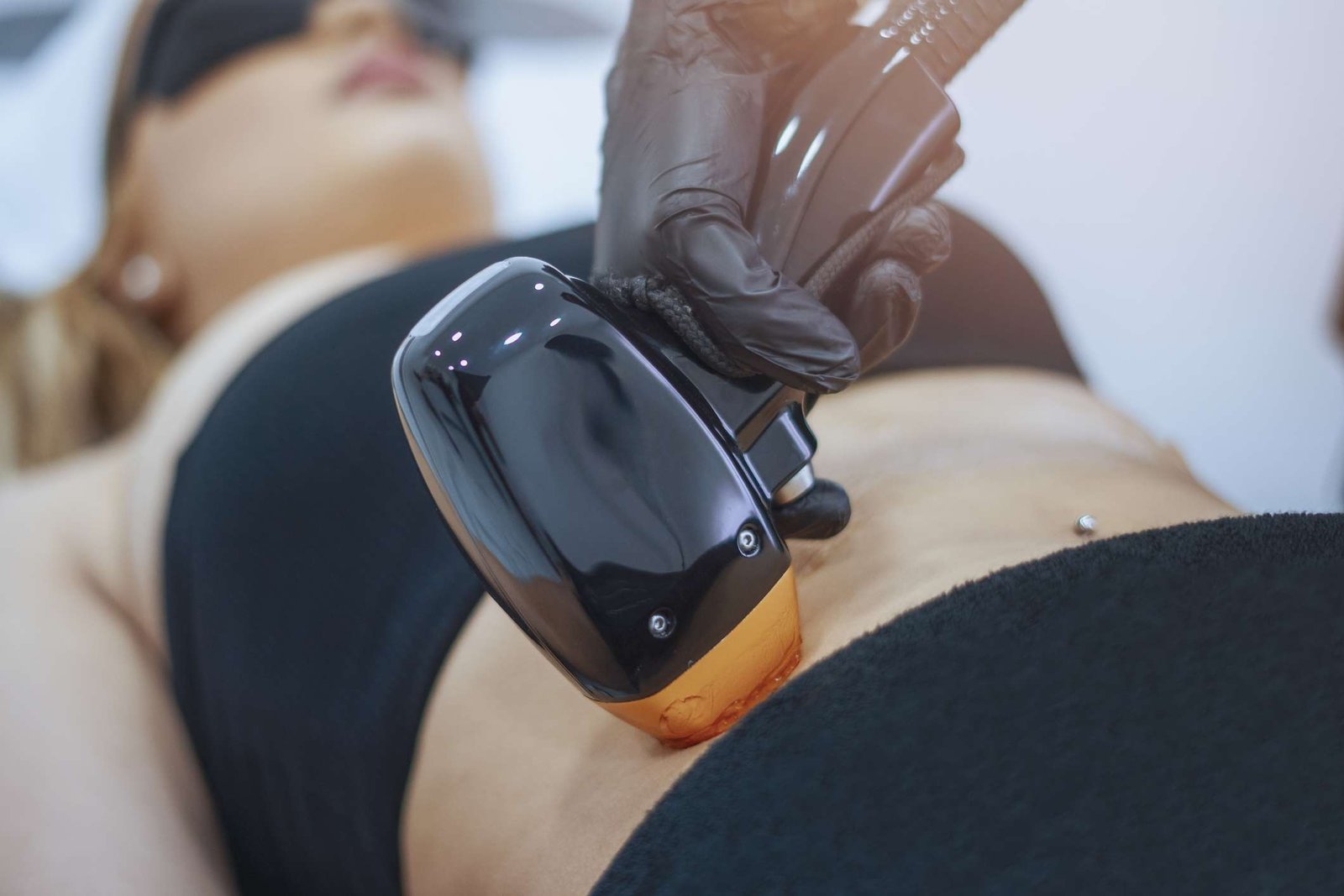
3. **The Procedure:** The laser handpiece will be passed over the stretch marks, delivering targeted energy to the skin. You may feel a warm or prickling sensation during the treatment. The duration of the procedure depends on the size and number of areas being treated, but it typically lasts between 30 minutes to an hour.
4. **Post-Treatment Care:** After the procedure, your skin may be red, swollen, and slightly tender. Your provider will give you specific instructions on how to care for your skin, which may include applying a soothing ointment, avoiding sun exposure, and using sunscreen.
Recovery and Downtime After Laser Treatment
The recovery period varies depending on the type of laser used. With non-ablative lasers, you can typically return to your normal activities within a day or two. With ablative lasers, the recovery period can last up to two weeks, during which time you may experience redness, swelling, and peeling.
It’s crucial to follow your provider’s post-treatment instructions carefully to minimize the risk of complications and optimize your results. This includes diligent sun protection, gentle cleansing, and avoiding harsh skincare products.
Potential Risks and Side Effects
Like any medical procedure, laser therapy for stretch marks carries some risks and potential side effects. These can include:
* **Redness and Swelling:** This is common and usually resolves within a few days to a week.
* **Hyperpigmentation or Hypopigmentation:** This is more common in individuals with darker skin tones.
* **Scarring:** Although rare, scarring can occur, especially with ablative lasers.
* **Infection:** Proper wound care is essential to prevent infection.
* **Blistering:** This is more common with ablative lasers.
If there’s one thing to take away from this, it’s that choosing an experienced and qualified provider can significantly reduce the risk of complications. They can assess your skin type and stretch marks accurately, select the appropriate laser, and provide detailed pre- and post-treatment instructions.
Alternatives to Laser Therapy for Stretch Marks
While laser therapy is an effective treatment option, it’s not the only one available. Here are some alternatives to consider:
* **Topical Creams and Ointments:** Products containing retinoids, hyaluronic acid, or Centella asiatica may help improve the appearance of stretch marks, especially when used early.
* **Microdermabrasion:** This procedure involves exfoliating the outer layers of the skin with tiny crystals, which can help improve texture and reduce the appearance of stretch marks.
* **Microneedling:** This involves using a device with tiny needles to create micro-injuries in the skin, stimulating collagen production.
* **Chemical Peels:** These involve applying a chemical solution to the skin to remove the outer layers, promoting new skin growth.
Each of these options has its own advantages and disadvantages, and the best choice for you will depend on your individual circumstances and preferences.
A Clinical Vignette: Finding the Right Approach
I recall a patient, a 32-year-old woman who came to our clinic after her second pregnancy. She was struggling with prominent, reddish stretch marks on her abdomen. She had tried various over-the-counter creams with little success. After a thorough consultation, we determined that she was a good candidate for pulsed dye laser (PDL) therapy, given that her stretch marks were still in the early, reddish stage. We performed a series of PDL treatments, and she experienced a significant reduction in the redness and overall appearance of her stretch marks. While they didn’t disappear entirely, she was much happier with the improvement and felt more confident in her own skin. In our practice, we consistently find that a tailored approach, considering the stage and severity of the stretch marks, yields the best outcomes.
Preventing Stretch Marks: Lifestyle and Skincare
While it’s not always possible to prevent stretch marks, especially during pregnancy, there are some steps you can take to minimize your risk:
* **Maintain a Healthy Weight:** Avoid rapid weight gain or loss.
* **Stay Hydrated:** Drinking plenty of water helps keep your skin hydrated and elastic.
* **Eat a Balanced Diet:** A diet rich in vitamins and minerals supports healthy skin.
* **Moisturize Regularly:** Keeping your skin moisturized can help improve its elasticity.
* **Consider Topical Treatments:** Creams containing hyaluronic acid or Centella asiatica may help prevent stretch marks.
Long-Term Management and Expectations
It’s important to understand that stretch marks are a permanent skin change. While treatments like laser therapy can significantly improve their appearance, they won’t completely erase them. Long-term management involves maintaining a healthy lifestyle, protecting your skin from the sun, and continuing with topical treatments as needed.
Many people find comfort in knowing that stretch marks are a common and natural part of life. They are a reminder of significant life events, such as pregnancy or growth spurts. While it’s understandable to want to minimize their appearance, accepting them as part of your body’s story can be empowering.
When to Seek Medical Attention Regarding Stretch Marks
While stretch marks are generally harmless, there are some situations where you should seek medical attention:
* **Sudden Appearance of Widespread Stretch Marks:** This could be a sign of an underlying medical condition, such as Cushing’s syndrome.
* **Stretch Marks Accompanied by Other Symptoms:** If you experience other symptoms, such as muscle weakness, fatigue, or weight gain, along with stretch marks, it’s important to see a doctor.
* **Persistent Itching or Inflammation:** If your stretch marks are persistently itchy or inflamed, it could be a sign of an infection or other skin condition.
Frequently Asked Questions About Laser Therapy for Stretch Marks
Frequently Asked Questions
Conclusion: Making an Informed Decision
Dealing with stretch marks can be frustrating, but you have options. Laser therapy offers a promising solution for improving their appearance, but it’s important to have realistic expectations and understand the potential risks and benefits. A thorough consultation with a qualified provider is essential to determine if laser therapy is right for you. Remember, there are also alternative treatments and lifestyle modifications that can help minimize the appearance of stretch marks and boost your self-confidence. Prioritizing overall skin health is also crucial; consider the benefits of mineral oil, for example, for keeping skin moisturized and supple.


Internal Medical Linking:
* The information provided here is not exhaustive, and individual results can vary. For maintaining skin elasticity, consider also exploring the potential skin benefits of castor oil. [LINK 1: Explore potential skin benefits of castor oil.]
* For optimal skin protection, understanding the impact of sunscreen is crucial. [LINK 3: understanding the impact of sunscreen]
* Additionally, maintaining skin hydration is essential, and for those experiencing dry scalp, coconut oil could be a helpful remedy. [LINK 5: coconut oil could be a helpful remedy]
* If you are experiencing knee pain, choosing the right running shoes can help. [LINK 9: choosing the right running shoes can help]
* Further, remember that maintaining a balanced diet is crucial for overall skin health, and learning about the nutritional profile of cottage cheese can be a great starting point. [LINK 7: nutritional profile of cottage cheese]
**Medical Disclaimer:** This article is for informational purposes only and does not constitute medical advice. Always consult with a qualified healthcare professional for diagnosis and treatment of any medical condition.
Important Medical Disclaimer
The information provided in this article is for educational purposes only and is not intended to be a substitute for professional medical advice, diagnosis, or treatment. Always seek the advice of your physician or other qualified health provider with any questions you may have regarding a medical condition.
Never disregard professional medical advice or delay in seeking it because of something you have read on this website.