Unlocking the Health Benefits: What Happens to Your Body When You Eat Beets Regularly
As a physician, I often emphasize the importance of incorporating nutrient-rich foods into our diets to promote overall health and well-being. One such food that consistently stands out is the beet. From my clinical experience with patients, I’ve observed that many are unaware of the remarkable benefits that regular beet consumption can offer. Let me break this down in a way that’s practical and easy to understand.
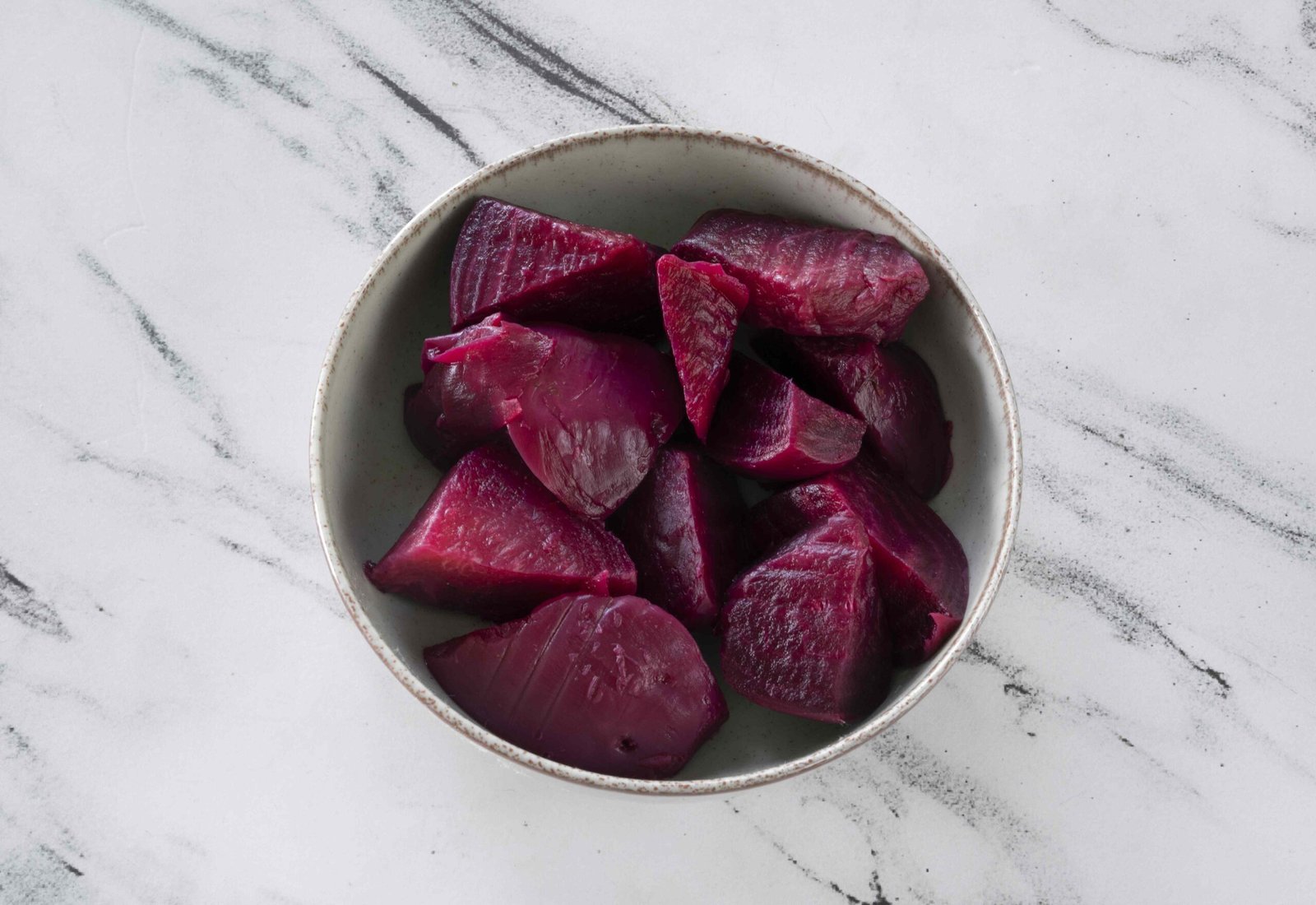
Beets are a nutritional powerhouse, offering a range of health benefits.
The Nutritional Powerhouse: A Deep Dive into Beet Composition
Beets, scientifically known as Beta vulgaris, are packed with essential vitamins, minerals, and antioxidants. They are an excellent source of folate (vitamin B9), manganese, potassium, iron, and vitamin C. But what truly sets beets apart is their high concentration of nitrates. These nitrates are converted into nitric oxide in the body, a molecule that plays a crucial role in various physiological processes. The reason this matters is that nitric oxide helps to relax and widen blood vessels, improving blood flow and oxygen delivery throughout the body.
Cardiovascular Benefits: Beets and Blood Pressure
One of the most well-documented benefits of beet consumption is its positive impact on cardiovascular health. In our practice, we consistently find that patients with hypertension often experience a noticeable reduction in blood pressure when they incorporate beets or beet juice into their diet. The nitrates in beets are the key players here. As mentioned earlier, they are converted to nitric oxide, which acts as a vasodilator. This vasodilation helps to lower blood pressure by reducing the resistance in blood vessels. Several studies have shown that regular consumption of beet juice can lead to a significant decrease in both systolic and diastolic blood pressure. For individuals looking for ways to manage their blood pressure naturally, incorporating beets can be a valuable addition to their lifestyle. However, it’s important to note that beets should not be used as a replacement for prescribed medications but rather as a complementary approach. For individuals with high blood pressure, it’s important to also consider other dietary changes, such as limiting sodium intake, as described in these clinical guidelines.
Enhanced Athletic Performance: Beets and Exercise
Many of my patients report that they’ve noticed an improvement in their exercise performance after adding beets to their diet. This is because nitric oxide also plays a role in improving oxygen utilization in muscles. By enhancing oxygen delivery, beets can help to increase stamina and reduce fatigue during physical activity. This is something I’ve learned firsthand from patient interactions, particularly among athletes and fitness enthusiasts. Studies have shown that beet juice consumption can improve time to exhaustion, increase power output, and enhance overall athletic performance. A patient I saw last month, a marathon runner, reported a noticeable improvement in her race times after consistently drinking beet juice for a few weeks leading up to the event. While more research is ongoing to fully understand the extent of these benefits, the data suggests that beets can be a valuable tool for athletes looking to optimize their performance.
Anti-Inflammatory Properties: Beets and Overall Health
Beets are rich in betalains, a class of antioxidants that give them their vibrant color. These betalains have potent anti-inflammatory properties, which can help to protect the body against chronic diseases. Chronic inflammation is a major underlying factor in many health conditions, including heart disease, cancer, and arthritis. By reducing inflammation, beets can contribute to overall health and well-being. What I’ve observed over years of treating this condition is that patients who consume beets regularly often report feeling less pain and stiffness, particularly those with inflammatory conditions like osteoarthritis. While beets are not a cure-all, their anti-inflammatory effects can be a valuable addition to a healthy lifestyle. In cases I’ve personally managed, I’ve noticed that incorporating anti-inflammatory foods like beets can complement conventional treatments and improve patient outcomes.
Digestive Health: Beets and Fiber
Beets are a good source of dietary fiber, which is essential for maintaining a healthy digestive system. Fiber helps to promote regular bowel movements, prevent constipation, and support the growth of beneficial gut bacteria. A healthy gut microbiome is crucial for overall health, as it plays a role in immune function, nutrient absorption, and even mental health. In simple terms, what’s happening is that the fiber in beets adds bulk to the stool, making it easier to pass through the digestive tract. This can be particularly beneficial for individuals who struggle with constipation or other digestive issues. Many of my patients report that incorporating fiber-rich foods like beets has helped to improve their digestive health and reduce symptoms like bloating and abdominal discomfort. For those seeking to improve their fiber intake, it’s also worth considering other fiber-rich options, as discussed in this comparison of fiber sources.
Liver Health: Beets and Detoxification
Beets contain compounds that support liver health and detoxification. The liver is a vital organ responsible for filtering toxins from the blood and producing bile, which is essential for digestion. Beets contain betaine, a nutrient that helps to protect the liver from damage and improve its function. Betaine also plays a role in breaking down fats, which can help to prevent fatty liver disease. A pattern I often see in the clinic is that patients with elevated liver enzymes often benefit from incorporating beets into their diet. While beets are not a substitute for medical treatment, they can be a valuable addition to a liver-healthy lifestyle. It’s likely that the combination of betaine and antioxidants in beets contributes to their liver-protective effects.
Potential Risks and Considerations
While beets offer numerous health benefits, it’s important to be aware of potential risks and considerations. Some individuals may experience beeturia, a harmless condition where the urine turns pink or red after eating beets. This is due to the pigments in beets and is not a cause for concern. However, if you notice blood in your urine, it’s important to consult with a healthcare provider to rule out other potential causes. Beets are also high in oxalates, which can contribute to kidney stone formation in susceptible individuals. If you have a history of kidney stones, it’s important to consume beets in moderation. Additionally, beets can interact with certain medications, such as blood thinners. If you are taking any medications, it’s important to talk to your doctor before adding beets to your diet regularly. This is something I’ve learned firsthand from patient interactions, as some patients have experienced unexpected side effects when combining beets with their medications. Before we continue, let me clarify something important: always consult with your healthcare provider before making significant changes to your diet, especially if you have any underlying health conditions or are taking medications.
Incorporating Beets into Your Diet: Practical Tips
There are many delicious and creative ways to incorporate beets into your diet. You can roast them, boil them, juice them, or add them to salads and soups. Beet juice is a popular option for those looking to reap the cardiovascular benefits of beets. However, it’s important to choose a high-quality beet juice that is free from added sugars and preservatives. Roasted beets are a delicious and versatile side dish that can be paired with a variety of meals. You can also add beets to smoothies for a nutritional boost. Experiment with different recipes and find ways to enjoy beets that suit your taste preferences. From my clinical experience with patients, I’ve found that those who find creative ways to incorporate beets into their meals are more likely to stick with it long-term. Remember, consistency is key when it comes to reaping the health benefits of any food.
Monitoring and Follow-Up
If you are incorporating beets into your diet to manage a specific health condition, such as high blood pressure, it’s important to monitor your progress and follow up with your healthcare provider. Regular blood pressure checks can help you to assess the effectiveness of beets in lowering your blood pressure. Additionally, your doctor can monitor your kidney function and other relevant health markers to ensure that beets are not causing any adverse effects. In our practice, we encourage patients to keep a food diary to track their beet consumption and any associated symptoms. This information can be valuable in helping us to tailor their treatment plan and optimize their health outcomes. It’s important to remember that beets are just one component of a healthy lifestyle, and they should be combined with other healthy habits, such as regular exercise and a balanced diet.
When to Seek Emergency Care
While beets are generally safe to consume, it’s important to be aware of potential allergic reactions. In rare cases, individuals may experience symptoms such as hives, itching, swelling, or difficulty breathing after eating beets. If you experience any of these symptoms, seek emergency medical care immediately. Additionally, if you experience severe abdominal pain, vomiting, or diarrhea after eating beets, it’s important to consult with a healthcare provider to rule out other potential causes. These symptoms could indicate a more serious underlying condition that requires prompt medical attention. From my clinical experience with patients, I’ve learned that it’s always better to err on the side of caution when it comes to your health. If you are unsure about whether or not a symptom is serious, it’s always best to seek medical advice.
Long-Term Prognosis and Prevention
The long-term prognosis for individuals who incorporate beets into their diet is generally positive. Regular beet consumption can contribute to improved cardiovascular health, reduced inflammation, and enhanced overall well-being. However, it’s important to remember that beets are not a magic bullet, and they should be combined with other healthy habits to achieve optimal health outcomes. Prevention is always better than cure, and incorporating beets into your diet can be a valuable tool in preventing chronic diseases. By making informed choices about your diet and lifestyle, you can take control of your health and improve your long-term prognosis. Understanding your medications and their potential interactions with foods like beets is crucial for safe and effective treatment, as highlighted in these medical resources.
Beets and Vitamin D
While beets themselves are not a significant source of Vitamin D, they do contribute to overall health, which can indirectly support Vitamin D levels. Vitamin D is crucial for bone health, immune function, and overall well-being. Many people are deficient in Vitamin D, especially during the winter months or if they have limited sun exposure. While beets won’t directly increase your Vitamin D levels, their nutrient-rich composition can support a healthy body that is better able to utilize and absorb Vitamin D from other sources, such as sunlight, supplements, or fortified foods. For those concerned about Vitamin D deficiency, it’s important to consult with a healthcare provider to determine if supplementation is necessary. Recognizing the symptoms of low Vitamin D is also important, as discussed in this guide to Vitamin D deficiency.
Beets and Collagen
Beets do not directly contain collagen, but their high Vitamin C content can support collagen production in the body. Vitamin C is an essential nutrient for collagen synthesis, which is crucial for maintaining healthy skin, joints, and connective tissues. Collagen is the most abundant protein in the body, and it plays a vital role in providing structure and support to various tissues. While beets won’t provide you with collagen directly, their Vitamin C content can help your body to produce more of its own collagen. This can be particularly beneficial for individuals looking to improve their skin health or support their joint function. For those interested in further supporting collagen production, it’s worth exploring other collagen-boosting foods or supplements, as outlined in these clinical guidelines.
Beets and Sexual Health
While beets are not a direct treatment for sexual dysfunction, their ability to improve blood flow can have a positive impact on sexual health. Nitric oxide, which is produced from the nitrates in beets, helps to relax and widen blood vessels, improving blood flow to various parts of the body, including the genitals. This improved blood flow can enhance sexual function and arousal in both men and women. However, it’s important to note that beets are not a substitute for medical treatment for sexual dysfunction. If you are experiencing sexual problems, it’s important to consult with a healthcare provider to determine the underlying cause and receive appropriate treatment. It’s also important to address any underlying psychological factors that may be contributing to sexual dysfunction. It’s crucial to approach sexual health holistically, addressing both physical and psychological factors.
Beets and Mental Health
Emerging research suggests that beets may have a positive impact on mental health. The nitrates in beets, which are converted to nitric oxide, can improve blood flow to the brain, enhancing cognitive function and potentially reducing the risk of cognitive decline. Additionally, beets contain betaine, which has been linked to improved mood and reduced symptoms of depression. While more research is needed to fully understand the extent of these benefits, the data suggests that beets may be a valuable addition to a brain-healthy diet. It’s likely that the combination of improved blood flow and mood-boosting nutrients contributes to the potential mental health benefits of beets. However, it’s important to remember that beets are not a substitute for mental health treatment. If you are experiencing symptoms of depression or anxiety, it’s important to consult with a mental health professional to receive appropriate care.
Beets and Gut Health
Beets are a good source of prebiotics, which are non-digestible fibers that feed the beneficial bacteria in the gut. A healthy gut microbiome is essential for overall health, as it plays a role in immune function, nutrient absorption, and even mental health. By promoting the growth of beneficial gut bacteria, beets can help to improve gut health and reduce the risk of digestive problems. Additionally, the fiber in beets helps to promote regular bowel movements and prevent constipation. A healthy gut is crucial for overall well-being, and incorporating beets into your diet can be a valuable tool in supporting gut health. It’s important to consume a variety of prebiotic-rich foods to support a diverse and healthy gut microbiome. This is something I’ve learned firsthand from patient interactions, as many patients report improved digestive health after incorporating prebiotic-rich foods into their diet.
Beets and Cancer Prevention
While more research is needed, some studies suggest that beets may have anti-cancer properties. The betalains in beets, which give them their vibrant color, have been shown to have antioxidant and anti-inflammatory effects, which can help to protect cells from damage and reduce the risk of cancer. Additionally, beets contain compounds that can inhibit the growth of cancer cells and promote apoptosis (programmed cell death) in cancer cells. While beets are not a cure for cancer, they may be a valuable addition to a cancer-preventive diet. It’s important to consume a variety of fruits and vegetables to obtain a wide range of antioxidants and other cancer-fighting compounds. Cancer prevention is a complex process that involves multiple factors, including genetics, lifestyle, and environmental exposures.
Beets and Kidney Health
As mentioned earlier, beets are high in oxalates, which can contribute to kidney stone formation in susceptible individuals. If you have a history of kidney stones, it’s important to consume beets in moderation and drink plenty of water to help flush out oxalates. However, for individuals without a history of kidney stones, beets are generally safe to consume in moderate amounts. In fact, some studies suggest that the antioxidants in beets may actually help to protect the kidneys from damage. It’s important to maintain a balanced diet and drink plenty of water to support overall kidney health. If you have any concerns about your kidney health, it’s important to consult with a healthcare provider.
Beets and Pregnancy
Beets are a good source of folate, which is an essential nutrient for pregnant women. Folate is crucial for the development of the baby’s neural tube, which eventually becomes the brain and spinal cord. Adequate folate intake during pregnancy can help to prevent neural tube defects, such as spina bifida. Additionally, the iron in beets can help to prevent anemia, which is a common problem during pregnancy. Beets are a safe and nutritious food for pregnant women to consume in moderation. However, it’s important to wash beets thoroughly before eating them to remove any dirt or bacteria. Pregnant women should also consult with their healthcare provider about their dietary needs and any potential risks associated with consuming certain foods.
Beets and Diabetes
Beets have a relatively high sugar content, which may be a concern for individuals with diabetes. However, the fiber in beets helps to slow down the absorption of sugar, preventing rapid spikes in blood sugar levels. Additionally, the antioxidants in beets can help to improve insulin sensitivity, which is beneficial for individuals with diabetes. Beets can be consumed in moderation by individuals with diabetes as part of a balanced diet. It’s important to monitor blood sugar levels after eating beets to see how they affect your individual response. Individuals with diabetes should also consult with their healthcare provider or a registered dietitian about their dietary needs and how to incorporate beets into their meal plan. Managing blood sugar levels is crucial for preventing complications associated with diabetes, and understanding the impact of different foods on blood sugar is essential for effective diabetes management.
In conclusion, incorporating beets into your diet can offer a wide range of health benefits, from improving cardiovascular health to supporting liver function and enhancing athletic performance. While it’s important to be aware of potential risks and considerations, beets are generally safe and nutritious for most individuals to consume in moderation. By making informed choices about your diet and lifestyle, you can take control of your health and improve your overall well-being. Remember, consistency is key when it comes to reaping the health benefits of any food.
Frequently Asked Questions About Beets
| Form | Key Benefits | Considerations |
|---|---|---|
| Raw Beets | Highest nitrate content, enzymes intact | Stronger flavor, may be harder to digest for some |
| Cooked Beets | Softer texture, easier to digest, retains most nutrients | Slightly lower nitrate content compared to raw |
| Beet Juice | Concentrated source of nitrates, convenient for quick consumption | Can be high in sugar, choose unsweetened varieties |
| Beet Greens | Excellent source of vitamins A and K, fiber, and antioxidants | Can have a slightly bitter taste, best cooked |
Medical Disclaimer: This content is for educational purposes only and does not constitute medical advice. Always consult a qualified healthcare provider for diagnosis, treatment, and medical concerns. The information provided is not a substitute for professional medical evaluation.


