The Impact of Bell Peppers on Your Health: A Physician’s Perspective
Bell peppers, with their vibrant colors and crisp texture, are a common addition to many diets. As a physician, I often get asked about the health benefits of various foods, and bell peppers are certainly one that comes up frequently. This is something I discuss with my patients regularly, and it’s important to understand the science behind the claims. Let me explain this in detail because it’s critical to understand how incorporating bell peppers into your diet can positively influence your overall well-being.
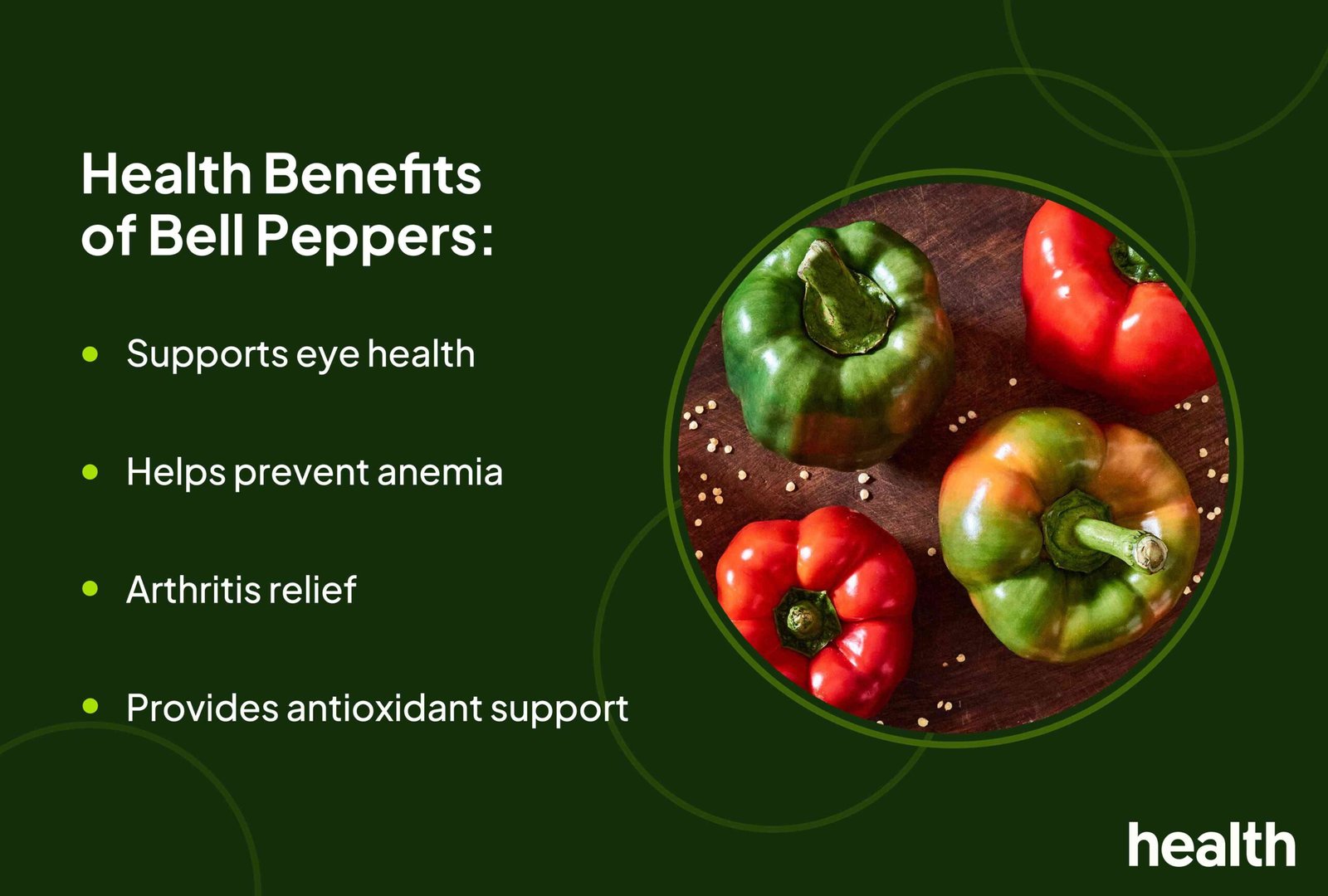
Bell peppers are rich in vitamins, antioxidants, and fiber, contributing to various health benefits.
Nutritional Powerhouse: Vitamins and Antioxidants
Bell peppers are packed with essential nutrients. They are an excellent source of vitamin C, even surpassing citrus fruits in some varieties. Vitamin C is a potent antioxidant that supports immune function, helps with collagen production, and protects against cellular damage. What I tell my patients is this: think of vitamin C as a shield for your cells.
They are also rich in vitamin A, primarily in the form of carotenoids like beta-carotene. The body converts beta-carotene into vitamin A, which is crucial for vision, immune function, and cell growth. Red bell peppers, in particular, are high in these carotenoids. It’s worth noting that the bioavailability of these nutrients can be enhanced by consuming bell peppers with a source of healthy fats, such as olive oil.
Furthermore, bell peppers contain vitamin E, vitamin B6, and folate. Vitamin E acts as another antioxidant, while vitamin B6 is involved in energy metabolism and nerve function. Folate is essential for cell division and is particularly important during pregnancy. A patient I saw last month was concerned about getting enough folate during her pregnancy. We discussed incorporating folate-rich foods like bell peppers into her diet as a natural way to boost her intake.
Antioxidant Properties and Disease Prevention
The vibrant colors of bell peppers are due to their high antioxidant content. Antioxidants help neutralize free radicals, unstable molecules that can damage cells and contribute to chronic diseases like heart disease, cancer, and Alzheimer’s disease. The key point I want to emphasize is that a diet rich in antioxidants can help protect against these diseases.
Bell peppers contain various antioxidants, including carotenoids (beta-carotene, lutein, zeaxanthin), flavonoids (quercetin, luteolin), and vitamin C. These antioxidants work synergistically to protect the body from oxidative stress. Let me break this down in a way that’s practical: imagine your cells are constantly being bombarded by harmful substances. Antioxidants act like tiny bodyguards, protecting your cells from damage.
The specific types and amounts of antioxidants vary depending on the color of the bell pepper. Red bell peppers generally have the highest concentration of antioxidants, followed by orange and yellow. Green bell peppers, while still nutritious, have a lower antioxidant content. This is something I discuss with my patients regularly when recommending dietary changes.
Cardiovascular Health Benefits
Bell peppers can contribute to cardiovascular health through several mechanisms. Their high antioxidant content helps prevent the oxidation of LDL cholesterol (the “bad” cholesterol), a key step in the development of atherosclerosis (plaque buildup in the arteries). In our practice, we find that patients who consume a diet rich in fruits and vegetables, including bell peppers, tend to have better cholesterol profiles.
They are also a good source of fiber, which helps lower cholesterol levels by binding to cholesterol in the digestive tract and preventing its absorption. Fiber also promotes healthy blood sugar levels, which is important for preventing diabetes, a major risk factor for heart disease. Based on current medical evidence, a high-fiber diet is a cornerstone of cardiovascular disease prevention.
Furthermore, bell peppers contain potassium, an essential mineral that helps regulate blood pressure. Potassium helps counter the effects of sodium, which can raise blood pressure. What I tell my patients is this: think of potassium as a natural blood pressure regulator. It’s important to understand that maintaining healthy blood pressure is crucial for preventing heart attacks and strokes.
Eye Health and Vision Protection
The carotenoids lutein and zeaxanthin, found in bell peppers, are particularly beneficial for eye health. These antioxidants accumulate in the retina, the light-sensitive tissue at the back of the eye, and help protect against age-related macular degeneration (AMD) and cataracts. AMD is a leading cause of vision loss in older adults, and cataracts can cause blurry vision.
Lutein and zeaxanthin act as natural sunscreens for the eyes, absorbing harmful blue light that can damage the retina. They also help reduce oxidative stress in the eye, further protecting against damage. From my clinical experience with patients, I’ve seen firsthand the importance of a diet rich in these antioxidants for maintaining good vision as we age.
While all bell peppers contain lutein and zeaxanthin, yellow and orange bell peppers tend to have higher concentrations. This is something I discuss with my patients regularly, especially those with a family history of AMD or cataracts. It’s important to understand that incorporating these colorful vegetables into your diet can be a proactive step in protecting your vision.
Digestive Health and Gut Microbiome
Bell peppers are a good source of dietary fiber, which is essential for maintaining a healthy digestive system. Fiber adds bulk to the stool, promoting regular bowel movements and preventing constipation. It also helps nourish the beneficial bacteria in the gut microbiome, the community of microorganisms that live in the digestive tract. The reason this matters is that a healthy gut microbiome is crucial for overall health, influencing everything from immune function to mental health.
Fiber acts as a prebiotic, providing food for the beneficial bacteria in the gut. These bacteria ferment the fiber, producing short-chain fatty acids (SCFAs) like butyrate, acetate, and propionate. SCFAs have numerous health benefits, including reducing inflammation, improving gut barrier function, and regulating appetite. Let me break this down in a way that’s practical: think of fiber as fertilizer for your gut bacteria, helping them thrive and produce beneficial substances.
A healthy gut microbiome is also important for preventing digestive disorders like irritable bowel syndrome (IBS) and inflammatory bowel disease (IBD). While bell peppers are generally well-tolerated, some individuals with IBS may experience symptoms like bloating or gas. In these cases, it may be helpful to cook the bell peppers or consume them in smaller portions. It’s important to understand that individual responses to food can vary.
Weight Management and Satiety
Bell peppers can be a valuable addition to a weight management plan due to their low calorie and high fiber content. Fiber helps promote satiety, the feeling of fullness, which can help reduce overall calorie intake. What I tell my patients is this: incorporating high-fiber foods like bell peppers into your meals can help you feel fuller for longer, making it easier to manage your weight.
They also have a high water content, which further contributes to satiety. Water-rich foods help fill the stomach and can signal to the brain that you’re full. Furthermore, bell peppers are a good source of nutrients, providing essential vitamins and minerals without adding a lot of calories. This is significant because nutrient-dense foods are important for maintaining overall health while managing weight.
In the ER, we often see patients struggling with weight-related health problems. I often advise them to incorporate more non-starchy vegetables like bell peppers into their diet as a way to increase their fiber intake and promote satiety. It’s important to understand that weight management is a complex process, but incorporating healthy foods like bell peppers can be a helpful strategy.
Potential Anti-Cancer Properties
While more research is needed, some studies suggest that bell peppers may have anti-cancer properties. Their high antioxidant content helps protect cells from DNA damage, a key step in the development of cancer. Furthermore, bell peppers contain compounds called capsaicinoids, which have been shown to inhibit the growth of cancer cells in laboratory studies. It’s important to understand that these are preliminary findings, and more research is needed to confirm these effects in humans.
The specific types and amounts of capsaicinoids vary depending on the variety of bell pepper. Hot peppers, like chili peppers, have much higher concentrations of capsaicinoids than bell peppers. However, even the relatively low levels of capsaicinoids in bell peppers may contribute to their potential anti-cancer effects. This is something I discuss with my patients regularly when recommending a diet rich in fruits and vegetables.
It’s also worth noting that bell peppers are a good source of vitamin C, which has been shown to have anti-cancer properties in some studies. Vitamin C helps boost the immune system and protect against cellular damage. While bell peppers are not a magic bullet for cancer prevention, incorporating them into a healthy diet may contribute to overall cancer risk reduction. For comprehensive diabetes management strategies, our evidence-based treatment protocols provide detailed therapeutic guidelines.
Incorporating Bell Peppers into Your Diet
Bell peppers are a versatile vegetable that can be easily incorporated into a variety of dishes. They can be eaten raw, roasted, grilled, sautéed, or stuffed. They can be added to salads, stir-fries, soups, stews, and omelets. The possibilities are endless! What I tell my patients is this: get creative and find ways to enjoy bell peppers in your favorite meals.
When selecting bell peppers, choose ones that are firm, smooth, and brightly colored. Avoid bell peppers that have bruises, soft spots, or wrinkles. Store bell peppers in the refrigerator for up to a week. It’s important to understand that proper storage can help preserve their nutritional value.
If you’re not a fan of the taste of raw bell peppers, try roasting them. Roasting brings out their natural sweetness and makes them more palatable. You can also add them to sauces or dips for a boost of flavor and nutrients. From my clinical experience with patients, I’ve found that even those who initially dislike bell peppers often enjoy them when prepared in different ways.
Potential Side Effects and Precautions
Bell peppers are generally well-tolerated, but some individuals may experience side effects. Some people may experience mild digestive upset, such as bloating or gas, especially if they consume large quantities. This is more common in individuals with IBS. In these cases, it may be helpful to cook the bell peppers or consume them in smaller portions. It’s important to understand that individual responses to food can vary.
Bell peppers are members of the nightshade family, which also includes tomatoes, potatoes, and eggplants. Some individuals with autoimmune diseases may be sensitive to nightshade vegetables and experience inflammation or other symptoms. If you suspect you may be sensitive to nightshade vegetables, it may be helpful to eliminate them from your diet for a period of time and then gradually reintroduce them to see if you experience any symptoms. This is something I discuss with my patients regularly when addressing dietary sensitivities.
In rare cases, some individuals may be allergic to bell peppers. Symptoms of a bell pepper allergy can include hives, itching, swelling, and difficulty breathing. If you experience any of these symptoms after consuming bell peppers, seek medical attention immediately. It’s important to understand that food allergies can be serious.
Conclusion: A Colorful and Nutritious Addition to Your Diet
Bell peppers are a colorful and nutritious vegetable that offers a wide range of health benefits. They are packed with vitamins, antioxidants, and fiber, which can contribute to cardiovascular health, eye health, digestive health, weight management, and potentially even cancer prevention. While some individuals may experience side effects, bell peppers are generally well-tolerated and can be easily incorporated into a variety of dishes. What I tell my patients is this: make bell peppers a regular part of your diet and enjoy the many health benefits they have to offer.
Remember, a balanced diet rich in fruits, vegetables, and whole grains is essential for overall health and well-being. Bell peppers are just one piece of the puzzle. It’s important to understand that a healthy lifestyle also includes regular exercise, adequate sleep, and stress management. For example, magnesium plays a key role in sleep quality, and you can learn more about how magnesium and melatonin together can impact your sleep.
Before we continue, let me clarify something important: this information is for educational purposes only and should not be considered medical advice. Always consult with your healthcare provider before making any significant changes to your diet or lifestyle. It’s important to understand that individual needs and circumstances can vary.
Let’s walk through what happens in the body when you regularly consume bell peppers. First, the vitamins and minerals are absorbed into the bloodstream, providing essential nutrients for various bodily functions. Then, the antioxidants help neutralize free radicals, protecting cells from damage. Finally, the fiber promotes healthy digestion and supports the gut microbiome. It’s important to understand that these processes work together to promote overall health and well-being.
Here’s what concerns me—and it might concern you too: many people don’t consume enough fruits and vegetables. Bell peppers are a delicious and easy way to increase your intake. So, go ahead and add some color to your plate and enjoy the many health benefits of bell peppers!
What I’ve found in my practice is that patients who make small, sustainable changes to their diet are more likely to stick with them in the long run. So, start by adding bell peppers to one or two meals per week and gradually increase your intake as you become more comfortable. It’s important to understand that consistency is key.
In conclusion, bell peppers are a valuable addition to a healthy diet. Their rich nutrient profile and antioxidant properties offer a multitude of health benefits. By incorporating them into your meals regularly, you can support your overall well-being and protect against chronic diseases. Remember to consult with your healthcare provider for personalized dietary advice. It’s important to understand that everyone’s needs are different.
Bell Pepper Nutrient Comparison (per 1 cup, chopped)
| Nutrient | Red Bell Pepper | Yellow Bell Pepper | Green Bell Pepper |
|---|---|---|---|
| Calories | 39 | 28 | 18 |
| Vitamin C | 190 mg (317% DV) | 184 mg (307% DV) | 120 mg (200% DV) |
| Vitamin A | 3715 IU (74% DV) | 765 IU (15% DV) | 525 IU (11% DV) |
| Fiber | 2.5 g (10% DV) | 2 g (8% DV) | 2 g (8% DV) |
| Potassium | 212 mg (6% DV) | 261 mg (7% DV) | 175 mg (5% DV) |
DV = Daily Value. Nutrient values may vary slightly based on specific varieties and growing conditions.
For more information on incorporating healthy vegetables into your diet, you might find these medical resources helpful.
Additionally, if you are looking to increase your fiber intake, consider exploring these clinical guidelines on fiber-rich foods.
You can also learn more about the benefits of other vegetables, such as broccoli, by reviewing these medical resources.
If you are interested in learning more about vegetables high in magnesium, this clinical guideline may be helpful.
For those looking for healthy late-night snack options, this medical resource provides some great ideas.
This content is for educational purposes only and does not constitute medical advice. Always consult a qualified healthcare provider for diagnosis, treatment, and medical concerns. The information provided is not a substitute for professional medical evaluation.
Important Medical Information
This article is for educational purposes only and does not constitute medical advice, diagnosis, or treatment.
Always consult a qualified healthcare provider for personalized medical recommendations.
The information presented is based on current medical evidence and clinical guidelines but should not replace professional medical evaluation or treatment plans.


