The Role of Magnesium and Melatonin in Sleep: A Physician’s Perspective
As a physician, I often encounter patients struggling with sleep disturbances. This is something I discuss with my patients regularly. Two supplements frequently mentioned in the quest for better sleep are magnesium and melatonin. While both are generally considered safe, many people wonder about the potential benefits and risks of taking them together. Let me explain this in detail because it’s critical to understand the nuances of combining these supplements.
Understanding Magnesium and Sleep
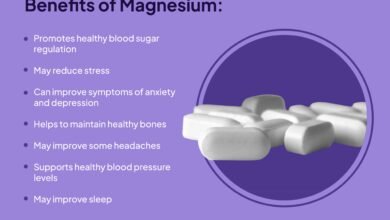
Magnesium is an essential mineral involved in hundreds of bodily functions, including nerve and muscle function, blood sugar control, and blood pressure regulation. It also plays a role in sleep. From my clinical experience with patients, I’ve observed that magnesium deficiency can sometimes manifest as sleep problems. The key point I want to emphasize is that magnesium acts as a natural relaxant, helping to calm the nervous system and prepare the body for sleep.
The pathophysiology behind this is that magnesium binds to gamma-aminobutyric acid (GABA) receptors in the brain. GABA is a neurotransmitter that promotes relaxation and reduces neuronal excitability. By enhancing GABA activity, magnesium can help quiet the mind and ease muscle tension, making it easier to fall asleep and stay asleep. What the medical literature tells us is that magnesium also helps regulate the production of melatonin, the hormone that controls the sleep-wake cycle.
In practical terms, this means that ensuring adequate magnesium levels can contribute to a more restful night’s sleep. Food sources rich in magnesium include leafy green vegetables, nuts, seeds, and whole grains. However, many people don’t get enough magnesium through diet alone, leading them to consider supplementation. It’s worth noting that different forms of magnesium exist, such as magnesium citrate, magnesium oxide, and magnesium glycinate. Magnesium glycinate is often preferred for sleep due to its high bioavailability and gentle effect on the digestive system. For comprehensive information on the benefits of magnesium, you can explore medical resources.
Melatonin and its Impact on Sleep
Melatonin is a hormone naturally produced by the pineal gland in the brain. Its primary role is to regulate the sleep-wake cycle, also known as the circadian rhythm. Melatonin production increases in the evening, signaling to the body that it’s time to sleep. Exposure to light, especially blue light from electronic devices, can suppress melatonin production, making it harder to fall asleep. This is something I discuss with my patients regularly.
Melatonin supplements are commonly used to treat insomnia and other sleep disorders. They can be particularly helpful for people who have difficulty falling asleep or who experience jet lag. What I tell my patients is this: melatonin works by binding to melatonin receptors in the brain, which helps to promote sleepiness and regulate the timing of sleep. The evidence-based approach is to use melatonin judiciously, as it’s most effective for addressing specific sleep-onset issues rather than maintaining sleep throughout the night.
In my years of practice, one thing has become clear: melatonin dosage is crucial. While some people find relief with as little as 0.5 mg, others may require up to 5 mg. It’s generally recommended to start with a low dose and gradually increase it as needed, under the guidance of a healthcare provider. It’s important to understand that melatonin is not a sedative; it’s a chronobiotic, meaning it helps to regulate the timing of sleep. Therefore, it’s most effective when taken at the same time each evening, about 30 minutes to an hour before bedtime.
Combining Magnesium and Melatonin: Potential Benefits and Risks
The question then arises: what happens when you take magnesium and melatonin together? Based on current medical evidence, combining these supplements may offer synergistic benefits for sleep. Magnesium can help to relax the body and mind, while melatonin can help to regulate the sleep-wake cycle. Together, they may create a more conducive environment for sleep.
A patient I saw last month, a 45-year-old woman with chronic insomnia, reported significant improvement in her sleep quality after starting a combination of magnesium glycinate and melatonin. She had previously tried each supplement separately with limited success. This is exactly the kind of case we see in our clinic. However, it’s important to note that this is just one anecdotal example, and more research is needed to confirm these findings on a larger scale.
Here’s what the research actually shows: some studies have suggested that combining magnesium and melatonin may be particularly beneficial for people with certain conditions, such as restless legs syndrome, anxiety, and chronic pain. These conditions can often interfere with sleep, and the combination of magnesium and melatonin may help to address both the underlying condition and the resulting sleep disturbance. However, I always caution my patients that the data suggests that more high-quality, randomized controlled trials are needed to fully understand the effects of combining these supplements.
From a clinical standpoint, it’s also important to consider the potential risks of combining magnesium and melatonin. While both supplements are generally considered safe, they can cause side effects in some people. Magnesium can cause diarrhea, nausea, and stomach cramps, especially at high doses. Melatonin can cause drowsiness, headache, and dizziness. In rare cases, melatonin can also cause anxiety, depression, and nightmares. Therefore, it’s essential to start with low doses of both supplements and gradually increase them as needed, while monitoring for any adverse effects.
Dosage and Administration Considerations
When considering magnesium and melatonin supplementation, it’s crucial to understand the appropriate dosages and administration guidelines. This requires careful consideration because individual needs can vary depending on factors such as age, weight, health status, and the severity of sleep disturbances.
For magnesium, the recommended daily intake is typically between 200 and 400 mg. However, some people may require higher doses to achieve optimal sleep. As mentioned earlier, magnesium glycinate is often preferred for sleep due to its high bioavailability and gentle effect on the digestive system. It’s generally recommended to take magnesium about an hour before bedtime. In our practice, we find that starting with a dose of 200 mg and gradually increasing it to 400 mg as needed is a safe and effective approach.
For melatonin, the typical dosage range is between 0.5 and 5 mg. It’s important to start with a low dose and gradually increase it as needed, under the guidance of a healthcare provider. Melatonin should be taken about 30 minutes to an hour before bedtime. What most people don’t realize—and this is important—is that taking too much melatonin can actually disrupt sleep, leading to daytime drowsiness and other adverse effects. Therefore, it’s essential to find the lowest effective dose.
It’s also important to consider the timing of administration. Magnesium can be taken at any time of day, but it’s often most effective when taken before bedtime. Melatonin should always be taken before bedtime, as it’s designed to promote sleepiness. Taking melatonin during the day can disrupt the sleep-wake cycle and lead to daytime drowsiness. The nuance here is important from a medical standpoint.
Lifestyle Modifications and Patient Education
While magnesium and melatonin supplements can be helpful for improving sleep, they should not be considered a substitute for healthy lifestyle habits. From a preventive medicine perspective, lifestyle modifications are often the first line of defense against sleep disturbances.
Here are some lifestyle modifications that can promote better sleep:
- Maintain a regular sleep schedule: Go to bed and wake up at the same time each day, even on weekends.
- Create a relaxing bedtime routine: This could include taking a warm bath, reading a book, or listening to calming music.
- Optimize your sleep environment: Make sure your bedroom is dark, quiet, and cool.
- Avoid caffeine and alcohol before bed: These substances can interfere with sleep.
- Limit screen time before bed: The blue light emitted from electronic devices can suppress melatonin production.
- Get regular exercise: Exercise can improve sleep, but avoid exercising too close to bedtime.
- Manage stress: Practice relaxation techniques such as meditation, yoga, or deep breathing.
Patient compliance is crucial because lifestyle modifications are often the most effective way to improve sleep in the long term. In addition to lifestyle modifications, patient education is also essential. Patients need to understand the importance of sleep hygiene, the potential benefits and risks of magnesium and melatonin supplementation, and the importance of consulting with a healthcare provider before starting any new supplements. Let me share what I’ve learned from treating patients with this condition: open communication and shared decision-making are key to achieving optimal sleep outcomes.
When to Seek Emergency Care
While magnesium and melatonin are generally considered safe, it’s important to know when to seek emergency care. I want to highlight a red flag symptom here: if you experience any of the following symptoms after taking magnesium or melatonin, seek immediate medical attention:
- Difficulty breathing
- Swelling of the face, lips, or tongue
- Hives
- Severe dizziness
- Chest pain
These symptoms could indicate a serious allergic reaction. In addition, if you experience any other concerning symptoms after taking magnesium or melatonin, such as severe abdominal pain, persistent vomiting, or seizures, contact your healthcare provider immediately. The clinical implications here are significant.
Long-Term Prognosis and Prevention
The long-term prognosis for people with sleep disturbances varies depending on the underlying cause. In many cases, lifestyle modifications and appropriate supplementation can effectively improve sleep quality and reduce the frequency of sleep disturbances. However, some people may require ongoing medical management to address underlying medical conditions or psychological factors that are contributing to their sleep problems. From a therapeutic perspective, a holistic approach that addresses both the physical and psychological aspects of sleep is often the most effective.
From a preventive medicine perspective, maintaining a healthy lifestyle is the best way to prevent sleep disturbances in the first place. This includes eating a balanced diet, getting regular exercise, managing stress, and maintaining a regular sleep schedule. It’s also important to avoid excessive caffeine and alcohol consumption, especially before bed. The medical community’s consensus is that prioritizing sleep is essential for overall health and well-being.
In conclusion, magnesium and melatonin are two supplements that may offer synergistic benefits for sleep. However, it’s important to use them judiciously and under the guidance of a healthcare provider. Lifestyle modifications are also essential for promoting better sleep. By taking a holistic approach to sleep, you can improve your overall health and well-being. For more information on CoQ10 and its potential benefits, you can explore clinical guidelines.
Magnesium vs. Melatonin: A Comparative Overview
To further clarify the roles of magnesium and melatonin, let’s compare their key characteristics in a table format. This is a question I hear often in my practice.
| Feature | Magnesium | Melatonin |
|---|---|---|
| Primary Role | Mineral involved in numerous bodily functions, including nerve and muscle relaxation. | Hormone that regulates the sleep-wake cycle. |
| Mechanism of Action | Binds to GABA receptors, promoting relaxation and reducing neuronal excitability. | Binds to melatonin receptors in the brain, promoting sleepiness and regulating the timing of sleep. |
| Typical Dosage | 200-400 mg per day | 0.5-5 mg per day |
| Common Side Effects | Diarrhea, nausea, stomach cramps (especially at high doses) | Drowsiness, headache, dizziness |
| Best Time to Take | About an hour before bedtime | 30 minutes to an hour before bedtime |
| Primary Use | Promoting relaxation, reducing muscle tension, and supporting overall sleep quality. | Regulating the sleep-wake cycle, improving sleep onset, and addressing jet lag. |
This table provides a concise overview of the key differences between magnesium and melatonin. It’s important to consider these differences when deciding whether to take these supplements, either alone or in combination. Let me break this down in a way that’s practical.
For more information on the potential dangers of vitamin overdose, you can explore medical resources.
This content is for educational purposes only and does not constitute medical advice. Always consult a qualified healthcare provider for diagnosis, treatment, and medical concerns. The information provided is not a substitute for professional medical evaluation.
Important Medical Information
This article is for educational purposes only and does not constitute medical advice, diagnosis, or treatment. Always consult a qualified healthcare provider for personalized medical recommendations. The information presented is based on current medical evidence and clinical guidelines but should not replace professional medical evaluation or treatment plans.