Fiber and Heart Health: Which Source Reigns Supreme?
As a physician, I often discuss the importance of dietary fiber with my patients, especially concerning heart health. This is something I discuss with my patients regularly. The benefits of fiber are well-documented, but navigating the different types and sources can be confusing. Let me explain this in detail because it’s critical to understand. We’ll explore the roles of soluble and insoluble fiber, examine various food sources, and ultimately, determine which options offer the most significant advantages for cardiovascular well-being.
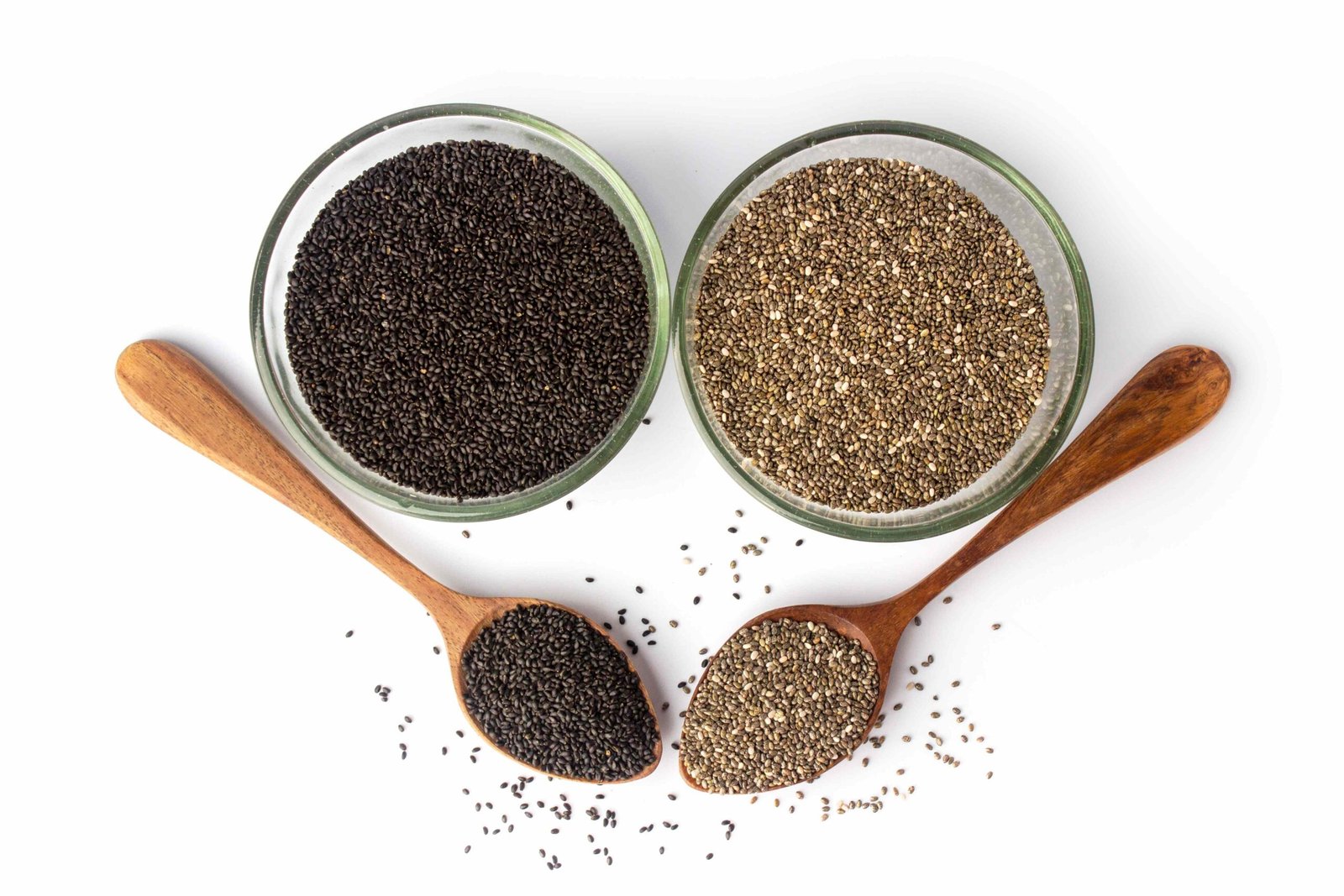
Fiber-rich foods are essential for maintaining optimal heart health and overall well-being.

Medical illustration related to Which Is Better for Fiber and Heart Health? – Medical Guide

Medical illustration related to Which Is Better for Fiber and Heart Health? – Medical Guide
Understanding Fiber: Soluble vs. Insoluble
Before we delve into specific food sources, it’s important to understand that fiber isn’t a single entity. It comes in two primary forms: soluble and insoluble. Each plays a distinct role in the body, and both contribute to overall health.
- Soluble Fiber: This type dissolves in water, forming a gel-like substance in the digestive tract. This gel slows down digestion, which can help regulate blood sugar levels and lower cholesterol. Think of it as a sponge that soaks up cholesterol as it moves through your system.
- Insoluble Fiber: This type doesn’t dissolve in water. It adds bulk to the stool, helping to promote regular bowel movements and prevent constipation. It acts like a broom, sweeping waste through your digestive system.
Both types of fiber are crucial, but for heart health, soluble fiber often takes center stage. The key point I want to emphasize is that soluble fiber’s cholesterol-lowering effect is particularly beneficial in reducing the risk of cardiovascular disease.
How Fiber Benefits the Heart: The Science
The cardioprotective effects of fiber are multifaceted. Let’s walk through what happens in the body. Here’s what the research actually shows:
- Cholesterol Reduction: Soluble fiber binds to cholesterol in the small intestine, preventing its absorption into the bloodstream. This leads to lower levels of LDL (“bad”) cholesterol, a major risk factor for heart disease.
- Blood Pressure Regulation: Some studies suggest that a high-fiber diet can contribute to lower blood pressure. While the exact mechanisms are still being investigated, it’s likely related to improved blood vessel function and reduced inflammation.
- Blood Sugar Control: By slowing down the absorption of sugar, soluble fiber helps prevent spikes in blood sugar levels. This is particularly important for individuals with diabetes or insulin resistance, as uncontrolled blood sugar can damage blood vessels and increase the risk of heart disease.
- Weight Management: Fiber-rich foods tend to be more filling, which can help you eat less and maintain a healthy weight. Obesity is a significant risk factor for heart disease, so managing weight through diet is crucial.
- Reduced Inflammation: Chronic inflammation plays a role in the development of heart disease. Some types of fiber, particularly those found in fruits and vegetables, contain antioxidants that can help reduce inflammation.
The reason this matters is that by addressing these key risk factors, fiber can significantly reduce your risk of developing heart disease, stroke, and other cardiovascular complications.
Top Fiber Sources for Heart Health: A Comparative Look
Now, let’s examine some of the best food sources of fiber and assess their specific benefits for heart health. In our practice, we find that patients who focus on incorporating a variety of these foods into their diet see the most significant improvements.
Oats are a powerhouse of soluble fiber, known for its cholesterol-lowering properties.
Here’s a comparison of several fiber-rich foods:
| Food Source | Fiber Type | Fiber Content (per serving) | Heart Health Benefits |
|---|---|---|---|
| Oats (1/2 cup cooked) | Soluble (Beta-glucan) | 2 grams | Lowers LDL cholesterol, improves blood sugar control. |
| Beans (1/2 cup cooked) | Soluble and Insoluble | 6-8 grams | Lowers LDL cholesterol, improves blood sugar control, promotes satiety. |
| Apples (1 medium) | Soluble (Pectin) | 4 grams | Lowers LDL cholesterol, provides antioxidants. |
| Broccoli (1 cup cooked) | Insoluble and Soluble | 5 grams | Provides antioxidants, reduces inflammation, supports healthy blood vessels. |
| Flaxseeds (2 tablespoons) | Soluble and Insoluble | 4 grams | Lowers LDL cholesterol, provides omega-3 fatty acids, reduces inflammation. |
Let me break this down in a way that’s practical. As you can see, each of these foods offers a unique blend of fiber and other nutrients that contribute to heart health. For instance, oats are particularly rich in beta-glucan, a type of soluble fiber with potent cholesterol-lowering effects. Beans are an excellent source of both soluble and insoluble fiber, making them a versatile choice for improving both cholesterol and digestive health. Apples provide pectin, another type of soluble fiber, along with beneficial antioxidants. Broccoli is a great source of fiber and also provides other essential nutrients. Flaxseeds offer a combination of fiber, omega-3 fatty acids, and lignans, all of which have been linked to improved heart health.
Beans are a versatile source of both soluble and insoluble fiber, offering multiple benefits for heart health.
Practical Tips for Increasing Fiber Intake
Incorporating more fiber into your diet doesn’t have to be a drastic overhaul. Small, gradual changes can make a big difference. What I tell my patients is this: start slowly and increase your fiber intake gradually to avoid digestive discomfort such as bloating and gas.
Here are some practical tips:
- Start your day with oats: A bowl of oatmeal is a great way to kickstart your fiber intake. Add some berries and nuts for extra flavor and nutrients.
- Add beans to your meals: Beans can be added to soups, salads, stews, or eaten as a side dish. Experiment with different types of beans to find your favorites. See our medical resources on the healthiest beans to incorporate into your diet.
- Snack on fruits and vegetables: Keep a bowl of fruit on your counter and a bag of pre-cut vegetables in your refrigerator for easy snacking.
- Choose whole grains: Opt for whole-wheat bread, brown rice, and whole-grain pasta over refined grains.
- Read food labels: Pay attention to the fiber content of packaged foods and choose options with at least 3 grams of fiber per serving.
- Stay hydrated: Fiber absorbs water, so it’s important to drink plenty of fluids to prevent constipation.
A patient I saw last month was struggling with high cholesterol despite being on medication. After discussing her diet, we identified that she was consuming very little fiber. We worked together to create a meal plan that incorporated more fiber-rich foods, and within a few months, her cholesterol levels had significantly improved. This is a testament to the power of dietary changes in managing heart health.
When to Seek Medical Advice
While increasing fiber intake is generally safe and beneficial, there are certain situations where you should seek medical advice. It’s important to understand that if you have any underlying medical conditions, such as inflammatory bowel disease or a history of bowel obstruction, talk to your doctor before making significant changes to your fiber intake. Additionally, if you experience persistent digestive symptoms, such as abdominal pain, bloating, or changes in bowel habits, consult a healthcare professional to rule out any underlying issues.
The Verdict: Which Fiber Source is Best?
So, which fiber source is truly the “best” for heart health? The answer, as with many things in medicine, is that it depends. There’s no single “magic bullet.” A variety of fiber-rich foods is the ideal approach. What I’ve found in my practice is that focusing on incorporating a diverse range of fiber sources ensures that you’re getting a balanced mix of soluble and insoluble fiber, along with other essential nutrients.
However, if I had to choose a few standouts, I would highlight oats, beans, apples, and flaxseeds. These foods are particularly rich in soluble fiber and have been consistently shown to lower cholesterol and improve other heart health markers. Also, consider incorporating broccoli into your diet, as it is a great source of fiber and other essential nutrients.
Ultimately, the best approach is to work with your healthcare provider to develop a personalized dietary plan that meets your individual needs and preferences. This is something I discuss with my patients regularly. Remember, a heart-healthy diet is just one piece of the puzzle. Regular exercise, stress management, and avoiding smoking are also crucial for maintaining cardiovascular well-being.
This content is for educational purposes only and does not constitute medical advice. Always consult a qualified healthcare provider for diagnosis, treatment, and medical concerns. The information provided is not a substitute for professional medical evaluation.
Important Medical Information
This article is for educational purposes only and does not constitute medical advice, diagnosis, or treatment.
Always consult a qualified healthcare provider for personalized medical recommendations.
The information presented is based on current medical evidence and clinical guidelines but should not replace professional medical evaluation or treatment plans.


