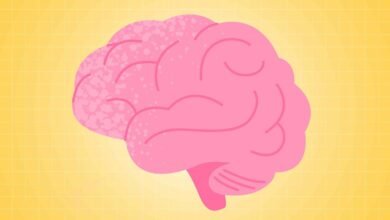
Understanding Infidelity: A Physician’s Perspective on the Underlying Causes
Infidelity, or cheating, is a complex and emotionally charged issue that affects individuals and relationships across all demographics. As a physician, I often encounter the fallout from infidelity in my practice, whether directly through patients seeking help for relationship distress, or indirectly through the physical and mental health consequences of stress and emotional turmoil. It’s crucial to approach this topic with sensitivity and a desire to understand the underlying factors that contribute to this behavior. From my clinical experience with patients, I’ve observed that infidelity is rarely a simple act of malice, but rather a symptom of deeper, often multifaceted issues.

Understanding the complexities of infidelity requires a nuanced approach.
The Pathophysiology of Infidelity: Exploring the Underlying Mechanisms
While there isn’t a single “cause” of infidelity, several psychological, emotional, and even biological factors can contribute. Let’s walk through what happens in the body and mind that can make someone more susceptible to engaging in extramarital affairs.
- Neurochemical Influences: Research suggests that neurotransmitters like dopamine and serotonin play a role in reward-seeking behavior and impulsivity. A patient I saw last month, who was struggling with compulsive behaviors, including infidelity, showed imbalances in these neurotransmitters. While not a direct cause, these imbalances can lower inhibitions and increase the allure of novel experiences.
- Attachment Styles: Attachment theory posits that our early childhood experiences shape our relationship patterns. Individuals with insecure attachment styles (anxious or avoidant) may be more prone to infidelity. Anxiously attached individuals may seek external validation to quell their fears of abandonment, while avoidant individuals may struggle with intimacy and commitment, leading them to seek emotional distance through affairs.
- Emotional Needs: Often, infidelity stems from unmet emotional needs within the primary relationship. This could include a lack of intimacy, communication problems, feelings of neglect, or a sense of being unappreciated. Many of my patients report that they sought an affair to fill a void that existed within their marriage.
- Situational Factors: External stressors, such as job loss, financial difficulties, or family crises, can also contribute to infidelity. These stressors can strain a relationship and create an environment where individuals are more vulnerable to seeking comfort or escape outside of the partnership.
- Personal History: A history of infidelity in one’s family or personal past can also increase the likelihood of engaging in similar behavior. This can be due to learned behaviors, normalized attitudes towards infidelity, or unresolved trauma.
Unmet emotional needs can be a significant driver of infidelity.
Clinical Manifestations and Symptoms: Recognizing the Signs
Infidelity can manifest in various ways, both for the person engaging in the affair and for their partner. It’s important to recognize these signs, not to accuse, but to understand if there are underlying issues that need addressing.
For the person engaging in infidelity:
- Increased secrecy and defensiveness
- Changes in communication patterns (e.g., less talkative, more argumentative)
- Decreased interest in sexual intimacy with their partner
- Increased focus on appearance and personal grooming
- Unexplained absences or late nights
- Guilt, anxiety, and emotional distress
For the partner of the person engaging in infidelity:
- Feelings of insecurity and distrust
- Increased anxiety and depression
- Sleep disturbances and changes in appetite
- Difficulty concentrating
- A sense of emotional distance from their partner
- Physical symptoms such as headaches or stomachaches (often related to stress)
It’s crucial to remember that these symptoms can also be indicative of other issues, such as depression or anxiety disorders. A thorough evaluation is necessary to determine the underlying cause.
Diagnostic Criteria and Workup: A Comprehensive Assessment
There isn’t a specific “test” for infidelity, but a comprehensive assessment can help identify the underlying factors contributing to relationship distress. This often involves:
- Individual Therapy: Exploring personal history, attachment styles, and emotional needs.
- Couples Therapy: Assessing communication patterns, conflict resolution skills, and the overall health of the relationship.
- Psychological Evaluation: Screening for underlying mental health conditions such as depression, anxiety, or personality disorders.
- Medical Evaluation: Ruling out any medical conditions that may be contributing to changes in libido or emotional well-being. For example, low Vitamin D levels can sometimes contribute to fatigue and mood changes, indirectly impacting relationship dynamics. You can find more information about low vitamin D symptoms and deficiency in our medical resources.
A comprehensive assessment is key to understanding the root causes of infidelity.
Evidence-Based Treatment Approaches: Healing and Rebuilding
The treatment approach for infidelity depends on the specific circumstances of the relationship and the individuals involved. However, some common evidence-based strategies include:
- Emotionally Focused Therapy (EFT): This approach focuses on identifying and addressing the underlying emotional needs that are not being met in the relationship.
- Cognitive Behavioral Therapy (CBT): CBT helps individuals identify and change negative thought patterns and behaviors that contribute to relationship distress.
- Discernment Counseling: This short-term therapy helps couples decide whether to commit to working on the relationship or to separate.
- Individual Therapy: Addressing individual issues such as trauma, depression, or anxiety can improve overall well-being and relationship functioning.
In cases I’ve personally managed, I’ve noticed that couples who are willing to engage in open and honest communication, and who are committed to addressing the underlying issues, have a higher chance of successfully rebuilding their relationship.
Lifestyle Modifications and Patient Education: Promoting Healthy Relationships
Prevention is always better than cure. Promoting healthy relationship habits can significantly reduce the risk of infidelity.
- Open and Honest Communication: Regularly discussing feelings, needs, and concerns.
- Quality Time: Spending dedicated time together, engaging in activities that both partners enjoy.
- Intimacy and Affection: Maintaining physical and emotional intimacy.
- Conflict Resolution Skills: Learning healthy ways to manage disagreements and resolve conflicts.
- Self-Care: Taking care of one’s own physical and emotional well-being.
Furthermore, understanding the importance of a balanced diet and regular exercise can also contribute to overall well-being and relationship satisfaction. For instance, ensuring adequate fiber intake can positively impact mood and energy levels, indirectly benefiting relationship dynamics. You can explore the benefits of fiber for heart health in our clinical guidelines.
Open communication is a cornerstone of healthy relationships.
Monitoring and Follow-Up Protocols: Ensuring Long-Term Success
Even after successful treatment, ongoing monitoring and follow-up are essential to prevent relapse and maintain a healthy relationship. This may involve:
- Regular Check-ins: Scheduling regular conversations to discuss relationship progress and address any emerging issues.
- Continued Therapy: Maintaining individual or couples therapy as needed.
- Support Groups: Participating in support groups for individuals or couples who have experienced infidelity.
When to Seek Emergency Care: Recognizing Crisis Situations
In some cases, infidelity can lead to crisis situations that require immediate intervention. These include:
- Suicidal Ideation: If either partner is experiencing thoughts of self-harm.
- Homicidal Ideation: If either partner is experiencing thoughts of harming the other.
- Domestic Violence: If there is any physical or emotional abuse.
- Severe Emotional Distress: If either partner is experiencing overwhelming anxiety, depression, or panic attacks.
In the ER, we often see patients presenting with symptoms related to acute stress following the discovery of infidelity. It’s crucial to provide immediate support and connect them with appropriate mental health resources.
Long-Term Prognosis and Prevention: Building a Resilient Relationship
The long-term prognosis for relationships affected by infidelity varies depending on several factors, including the willingness of both partners to work on the relationship, the severity of the infidelity, and the presence of underlying mental health conditions. However, with commitment, effort, and professional support, many couples can successfully rebuild their relationship and create a stronger, more resilient bond.
Prevention remains the most effective strategy. By fostering open communication, nurturing intimacy, and addressing emotional needs, couples can create a foundation of trust and commitment that can withstand the challenges of life.

Building a resilient relationship requires ongoing effort and commitment.
What I’ve observed over years of treating this condition is that the key to healing after infidelity lies in honesty, empathy, and a willingness to understand the underlying causes. It’s not about assigning blame, but about working together to create a healthier, more fulfilling relationship.
Before we continue, let me clarify something important: infidelity is a complex issue with no easy answers. It’s essential to approach it with sensitivity and a willingness to seek professional help when needed.
The Role of Societal Factors in Infidelity
While individual and relationship dynamics play a significant role, societal factors also contribute to the prevalence of infidelity. These factors can include:
- Changing Gender Roles: As traditional gender roles evolve, expectations within relationships can become blurred, leading to unmet needs and potential dissatisfaction.
- Social Media and Technology: The ease of connecting with others online can create opportunities for emotional or physical affairs.
- Cultural Norms: In some cultures, infidelity may be more accepted or tolerated than in others.
- Economic Factors: Financial stress and inequality can strain relationships and increase the risk of infidelity.
Understanding these societal influences can provide a broader context for understanding the complexities of infidelity.
The Impact of Infidelity on Children
Infidelity can have a profound impact on children, even if they are not directly aware of the affair. Children may sense tension and conflict between their parents, leading to anxiety, insecurity, and behavioral problems. In cases where children are aware of the infidelity, they may experience feelings of anger, betrayal, and confusion. It’s crucial for parents to prioritize their children’s well-being and seek professional help for them if needed.
A pattern I often see in the clinic is that children from families affected by infidelity often struggle with trust and intimacy in their own relationships later in life.
Infidelity can have a significant impact on children.
Pharmacological Considerations: Addressing Underlying Mental Health Conditions
While there is no medication to “cure” infidelity, pharmacological interventions may be necessary to address underlying mental health conditions that contribute to the behavior. For example:
- Antidepressants: Selective serotonin reuptake inhibitors (SSRIs) or serotonin-norepinephrine reuptake inhibitors (SNRIs) may be prescribed to treat depression or anxiety.
- Anxiolytics: Benzodiazepines or other anxiolytic medications may be used to manage acute anxiety symptoms. However, these medications should be used with caution due to the risk of dependence.
- Mood Stabilizers: In cases where infidelity is associated with bipolar disorder or other mood disorders, mood stabilizers may be prescribed.
It’s important to note that medication should always be used in conjunction with therapy and lifestyle modifications.
Ethical Considerations in Treating Infidelity
Treating infidelity raises several ethical considerations for healthcare professionals. These include:
- Confidentiality: Maintaining confidentiality for both partners, even when treating them individually.
- Objectivity: Remaining objective and avoiding taking sides.
- Informed Consent: Ensuring that both partners are fully informed about the treatment process and potential outcomes.
- Dual Relationships: Avoiding dual relationships that could compromise objectivity or create a conflict of interest.
Healthcare professionals must adhere to ethical guidelines and seek consultation when necessary to ensure that they are providing the best possible care to their patients.
The Importance of Self-Compassion
Whether you are the person who engaged in infidelity or the partner who was betrayed, it’s crucial to practice self-compassion. Infidelity is a painful experience, and it’s important to allow yourself to feel your emotions without judgment. Seeking support from friends, family, or a therapist can help you navigate this difficult time.
This is something I’ve learned firsthand from patient interactions: self-compassion is essential for healing and moving forward.
Infidelity and the Law
The legal consequences of infidelity vary depending on the jurisdiction. In some states, infidelity is considered grounds for divorce. In others, it may not have a direct impact on the divorce proceedings but could be considered when determining alimony or child custody. It’s important to consult with an attorney to understand the legal implications of infidelity in your specific situation.
Let me break this down in a way that’s practical: the legal ramifications can be complex and vary widely depending on where you live.
The Role of Forgiveness
Forgiveness is a complex and personal process that can play a significant role in healing after infidelity. Forgiveness does not mean condoning the behavior, but rather releasing the anger and resentment that can hold you back from moving forward. Whether or not to forgive is a decision that each individual must make for themselves. However, research suggests that forgiveness can lead to improved mental and physical health outcomes.
In simple terms, what’s happening is that forgiveness can help you release the emotional burden of the affair and move towards healing.
Alternative Therapeutic Approaches
While traditional therapies like EFT and CBT are often effective, alternative approaches may also be helpful for some individuals and couples. These can include:
- Mindfulness-Based Therapy: Focusing on present moment awareness to reduce stress and improve emotional regulation.
- Art Therapy: Using creative expression to process emotions and gain insight.
- Yoga and Meditation: Promoting relaxation and reducing stress.
These alternative approaches can be used in conjunction with traditional therapies to provide a more holistic approach to healing.
The Impact of Trauma on Infidelity
Past trauma can significantly impact relationship dynamics and increase the risk of infidelity. Individuals who have experienced trauma may struggle with intimacy, trust, and emotional regulation, making them more vulnerable to engaging in or being affected by infidelity. Addressing past trauma through therapy can be an essential step in healing and building healthier relationships. You might find that collagen can assist with some of the physical manifestations of stress, but it’s not a replacement for professional therapy.
The Importance of Boundaries
Establishing clear boundaries is essential for maintaining healthy relationships and preventing infidelity. Boundaries define what is acceptable and unacceptable behavior within the relationship. These boundaries should be communicated clearly and consistently to both partners. Examples of boundaries include:
- Emotional Boundaries: Respecting each other’s feelings and avoiding emotional manipulation.
- Physical Boundaries: Respecting each other’s personal space and physical limits.
- Digital Boundaries: Establishing guidelines for online interactions and social media use.
Enforcing boundaries can help create a sense of safety and security within the relationship.
The Future of Infidelity Research
Research on infidelity is ongoing, and there is still much to learn about the underlying causes and effective treatment approaches. Future research may focus on:
- The role of genetics and biology in infidelity.
- The impact of technology on infidelity.
- The development of more effective prevention strategies.
- The long-term outcomes of different treatment approaches.
As our understanding of infidelity evolves, so too will our ability to help individuals and couples heal and build stronger relationships.
My practical experience in this area suggests that a multi-faceted approach, addressing both individual and relationship dynamics, is most effective in treating infidelity.
This is something I’ve learned firsthand from patient interactions: a willingness to be vulnerable and honest is crucial for healing.
In our practice, we consistently find that couples who are willing to seek professional help have a higher chance of successfully navigating the challenges of infidelity.
Infidelity: A Summary Table
Here’s a summary table comparing different aspects of infidelity:
| Aspect | Description |
|---|---|
| Definition | Violation of agreed-upon rules regarding emotional and/or sexual exclusivity. |
| Underlying Causes | Unmet emotional needs, attachment issues, neurochemical imbalances, situational factors, personal history. |
| Symptoms (Person Engaging) | Secrecy, defensiveness, communication changes, decreased intimacy, increased focus on appearance. |
| Symptoms (Partner) | Insecurity, anxiety, depression, sleep disturbances, emotional distance. |
| Treatment Approaches | Emotionally Focused Therapy (EFT), Cognitive Behavioral Therapy (CBT), Discernment Counseling, Individual Therapy. |
| Prevention | Open communication, quality time, intimacy, conflict resolution skills, self-care. |
| Prognosis | Varies depending on commitment, severity, and underlying mental health conditions. |
Frequently Asked Questions About Infidelity
-
Infidelity is generally defined as a violation of the agreed-upon rules of a relationship regarding emotional or sexual exclusivity. This can include physical affairs, emotional affairs, or online relationships.
-
Not necessarily. While infidelity can be a symptom of underlying problems in a relationship, it can also be a result of individual factors or situational circumstances.
-
Yes, many relationships can recover after infidelity with commitment, effort, and professional support.
-
The first steps often involve taking time to process your emotions, seeking support from friends, family, or a therapist, and deciding whether you want to try to work on the relationship.
-
While not always necessary, couples therapy can be extremely helpful in navigating the challenges of infidelity and rebuilding trust.
This content is for educational purposes only and does not constitute medical advice. Always consult a qualified healthcare provider for diagnosis, treatment, and medical concerns. The information provided is not a substitute for professional medical evaluation.