Electrolyte Imbalance: Understanding the Risks of Overconsumption
As a physician, I often encounter patients who are increasingly aware of the importance of electrolytes for hydration and overall health. This is a good thing! However, there’s a growing trend of overconsumption, fueled by marketing and misconceptions about electrolyte needs. This is something I discuss with my patients regularly because it’s critical to understand that while electrolytes are essential, more isn’t always better. In fact, consuming too many electrolytes can lead to a range of health problems, particularly for individuals with underlying medical conditions.
What are Electrolytes and Why Do We Need Them?
Electrolytes are minerals that carry an electrical charge when dissolved in bodily fluids such as blood, plasma, and intracellular fluid. Key electrolytes include sodium, potassium, chloride, calcium, magnesium, phosphate, and bicarbonate. These minerals are vital for numerous bodily functions. Let me explain this in detail because it’s critical to understand their role:
- Nerve and Muscle Function: Electrolytes, particularly sodium, potassium, and calcium, are essential for nerve impulse transmission and muscle contraction. They help regulate the electrical signals that allow nerves to communicate and muscles to contract properly.
- Fluid Balance: Sodium plays a crucial role in maintaining fluid balance in the body. It helps regulate the amount of water inside and outside of cells.
- Blood Pressure Regulation: Electrolytes, especially sodium and potassium, influence blood pressure. Sodium tends to increase blood pressure, while potassium helps to lower it.
- pH Balance: Electrolytes like bicarbonate help maintain the acid-base (pH) balance in the body, which is crucial for enzyme function and cellular processes.
- Bone Health: Calcium and phosphate are essential components of bone tissue, contributing to bone strength and structure.
We obtain electrolytes through our diet from various foods and beverages. The kidneys play a crucial role in regulating electrolyte levels by excreting excess electrolytes in the urine and conserving them when levels are low. However, this regulatory system can be overwhelmed by excessive electrolyte intake or compromised by kidney dysfunction.
How Much is Too Much? The Risks of Electrolyte Overconsumption
While electrolytes are essential, consuming excessive amounts can disrupt the delicate balance in the body and lead to various health problems. The specific risks depend on the electrolyte involved and the individual’s overall health. Here’s what the research actually shows:
- Hypernatremia (High Sodium): Excessive sodium intake can lead to hypernatremia, characterized by high sodium levels in the blood. Symptoms may include thirst, confusion, muscle twitching, and, in severe cases, seizures and coma. In the ER, we often see this in patients who have consumed large amounts of salty snacks or sports drinks without adequate water intake.
- Hyperkalemia (High Potassium): While potassium is vital for heart function, excessive intake can cause hyperkalemia. This is particularly dangerous for individuals with kidney disease, as their kidneys may not be able to efficiently excrete excess potassium. Hyperkalemia can lead to muscle weakness, heart arrhythmias, and even cardiac arrest. I always caution my patients that potassium supplements should only be taken under strict medical supervision.
- Hypercalcemia (High Calcium): Excessive calcium intake, often from supplements, can result in hypercalcemia. Symptoms may include fatigue, muscle weakness, constipation, and kidney stones. In severe cases, hypercalcemia can affect heart function and cause neurological problems.
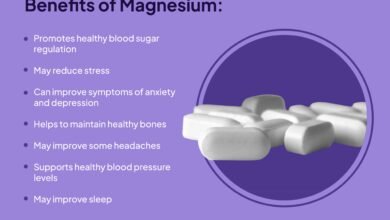
- Hypermagnesemia (High Magnesium): While less common, excessive magnesium intake, particularly from supplements or medications containing magnesium, can lead to hypermagnesemia. Symptoms may include muscle weakness, nausea, vomiting, and, in severe cases, respiratory depression and cardiac arrest.
- Kidney Stress: The kidneys are responsible for regulating electrolyte balance. Excessive electrolyte intake can put a strain on the kidneys, potentially leading to kidney damage, especially in individuals with pre-existing kidney disease. A patient I saw last month had significantly elevated creatinine levels after starting a high-electrolyte diet without consulting her physician.
It’s important to understand that the risk of electrolyte overconsumption is generally higher in individuals with impaired kidney function, heart failure, or other medical conditions that affect electrolyte regulation. These individuals may be more susceptible to the adverse effects of excessive electrolyte intake.
When are Electrolyte Drinks Beneficial?
Electrolyte drinks can be beneficial in specific situations where electrolyte losses are increased, such as:
- Prolonged Endurance Exercise: During intense and prolonged exercise, such as running a marathon, significant amounts of electrolytes are lost through sweat. Electrolyte drinks can help replenish these losses and prevent dehydration and electrolyte imbalances.
- Severe Vomiting or Diarrhea: Severe vomiting or diarrhea can lead to significant electrolyte losses. Electrolyte drinks can help replace these losses and prevent dehydration.
- Certain Medical Conditions: People with certain medical conditions, such as cystic fibrosis or adrenal insufficiency, may have increased electrolyte losses and require electrolyte supplementation.
However, for most people, electrolyte drinks are not necessary and can contribute to excessive electrolyte intake. In our practice, we find that a balanced diet and adequate water intake are usually sufficient to meet electrolyte needs.
How to Maintain a Healthy Electrolyte Balance
Maintaining a healthy electrolyte balance involves a combination of a balanced diet, adequate hydration, and awareness of individual needs. Here’s what you need to know from a medical perspective:
- Eat a Balanced Diet: A diet rich in fruits, vegetables, whole grains, and lean protein provides a variety of electrolytes.
- Stay Hydrated: Drink enough water throughout the day to maintain adequate hydration. The amount of water needed varies depending on individual factors such as activity level, climate, and overall health.
- Be Mindful of Electrolyte Drinks: Avoid excessive consumption of electrolyte drinks, especially if you have underlying medical conditions.
- Consult Your Healthcare Provider: If you have concerns about your electrolyte levels or have medical conditions that affect electrolyte balance, consult your healthcare provider for personalized recommendations.
Let me clarify a common misconception: many people believe that electrolyte drinks are necessary for everyday hydration. However, for most individuals, plain water is sufficient. Electrolyte drinks are primarily beneficial for those engaging in strenuous activities or experiencing significant fluid losses.
Recognizing the Symptoms of Electrolyte Imbalance
Being able to recognize the symptoms of electrolyte imbalance is crucial for early intervention. The symptoms can vary depending on the specific electrolyte involved and the severity of the imbalance. Here’s what I look for when diagnosing:
- Muscle Weakness or Cramps: Imbalances in sodium, potassium, calcium, or magnesium can cause muscle weakness, cramps, or spasms.
- Fatigue: Electrolyte imbalances can disrupt energy production and lead to fatigue.
- Irregular Heartbeat: Potassium and calcium imbalances can affect heart function and cause irregular heartbeats (arrhythmias).
- Nausea and Vomiting: Electrolyte imbalances can irritate the digestive system and cause nausea and vomiting.
- Confusion or Disorientation: Severe electrolyte imbalances can affect brain function and cause confusion or disorientation.
- Seizures: In extreme cases, electrolyte imbalances can trigger seizures.
If you experience any of these symptoms, it’s essential to seek medical attention promptly. Your healthcare provider can assess your electrolyte levels and determine the appropriate course of treatment.
Diagnostic Testing and Evaluation
When evaluating a patient for suspected electrolyte imbalance, I typically order a comprehensive metabolic panel (CMP), which includes measurements of sodium, potassium, chloride, calcium, and other important electrolytes. Additional tests may be necessary depending on the clinical presentation and suspected underlying cause. The differential diagnosis would include dehydration, kidney disease, hormonal imbalances, and medication side effects.
Treatment Strategies for Electrolyte Imbalances
Treatment for electrolyte imbalances depends on the specific electrolyte involved and the severity of the imbalance. Treatment options we consider are:
- Oral Electrolyte Solutions: Mild electrolyte imbalances can often be corrected with oral electrolyte solutions containing a balanced mixture of electrolytes.
- Intravenous (IV) Fluids: Severe electrolyte imbalances may require intravenous (IV) fluids containing electrolytes to rapidly restore normal levels.
- Medications: Certain medications can help regulate electrolyte levels. For example, diuretics can help remove excess sodium from the body, while potassium supplements can help increase potassium levels.
- Dietary Modifications: Dietary modifications, such as reducing sodium intake or increasing potassium intake, can help maintain long-term electrolyte balance.
- Addressing Underlying Causes: It’s crucial to address any underlying medical conditions that may be contributing to electrolyte imbalances, such as kidney disease or hormonal imbalances.
Long-Term Management and Prevention
Long-term management of electrolyte balance involves a combination of lifestyle modifications, regular monitoring, and addressing any underlying medical conditions. From a preventive medicine perspective, this includes:
- Balanced Diet: Emphasize a diet rich in fruits, vegetables, whole grains, and lean protein.
- Hydration: Drink adequate water throughout the day.
- Limit Processed Foods: Reduce intake of processed foods high in sodium.
- Monitor Electrolyte Levels: Individuals with medical conditions that affect electrolyte balance should have their electrolyte levels monitored regularly by their healthcare provider. Monitoring is essential as electrolyte imbalances can have serious consequences.
- Medication Review: Review medications with your healthcare provider to identify any that may affect electrolyte levels.
When to Seek Emergency Medical Care
Certain symptoms of electrolyte imbalance warrant immediate medical attention. Seek emergency medical care if you experience:
- Severe muscle weakness or paralysis
- Irregular heartbeat or chest pain
- Confusion or disorientation
- Seizures
- Difficulty breathing
These symptoms may indicate a life-threatening electrolyte imbalance that requires immediate treatment.
Electrolyte Imbalance and Kidney Function
The kidneys play a central role in regulating electrolyte balance. Kidney disease can significantly impair the kidneys’ ability to maintain electrolyte homeostasis, leading to various electrolyte imbalances. Patients with chronic kidney disease (CKD) are particularly vulnerable to hyperkalemia, hyperphosphatemia, and metabolic acidosis. The pathophysiology behind this is complex, but it primarily involves reduced glomerular filtration rate and impaired tubular function.
In patients with CKD, dietary modifications, medications, and dialysis may be necessary to manage electrolyte imbalances. It’s crucial for these patients to work closely with their healthcare provider to develop a personalized management plan.
Electrolyte Replacement Therapy: A Closer Look
Electrolyte replacement therapy involves administering electrolytes to correct deficiencies. This can be done orally or intravenously, depending on the severity of the imbalance. The pharmacological mechanism here is straightforward: it aims to replenish depleted electrolyte stores and restore normal physiological function.
Oral electrolyte solutions are typically used for mild to moderate electrolyte deficiencies. These solutions contain a balanced mixture of electrolytes, such as sodium, potassium, and chloride. Intravenous electrolyte solutions are used for severe deficiencies or when oral administration is not possible. The therapeutic index for these solutions is relatively wide, but careful monitoring is still essential to avoid overcorrection.
Specific Electrolyte Considerations
Let’s delve into specific considerations for some key electrolytes:
- Sodium: Sodium is the primary electrolyte responsible for maintaining fluid balance. Hyponatremia (low sodium) can be caused by excessive water intake, certain medications, or medical conditions such as heart failure or SIADH (syndrome of inappropriate antidiuretic hormone secretion). Hypernatremia (high sodium) can be caused by dehydration, excessive sodium intake, or conditions such as diabetes insipidus.
- Potassium: Potassium is essential for heart function and muscle contraction. Hypokalemia (low potassium) can be caused by diuretics, vomiting, diarrhea, or certain medical conditions. Hyperkalemia (high potassium) can be caused by kidney disease, certain medications, or excessive potassium intake.
- Calcium: Calcium is vital for bone health, muscle function, and nerve transmission. Hypocalcemia (low calcium) can be caused by vitamin D deficiency, hypoparathyroidism, or kidney disease. Hypercalcemia (high calcium) can be caused by hyperparathyroidism, certain cancers, or excessive calcium intake.
- Magnesium: Magnesium is involved in numerous enzymatic reactions and is essential for muscle and nerve function. Hypomagnesemia (low magnesium) can be caused by alcoholism, malabsorption, or certain medications. Hypermagnesemia (high magnesium) can be caused by kidney disease or excessive magnesium intake.
Electrolyte Imbalance in Athletes
Athletes are at increased risk of electrolyte imbalances due to increased electrolyte losses through sweat. It’s important for athletes to stay adequately hydrated and replenish electrolytes lost during exercise. However, excessive consumption of electrolyte drinks can also lead to electrolyte imbalances. What I tell my patients is this: listen to your body and adjust your fluid and electrolyte intake based on your individual needs and activity level.
Electrolyte Imbalance in the Elderly


Elderly individuals are more susceptible to electrolyte imbalances due to age-related changes in kidney function and fluid regulation. They may also be taking medications that affect electrolyte levels. It’s crucial for elderly individuals to maintain adequate hydration and have their electrolyte levels monitored regularly by their healthcare provider. This requires careful consideration because the elderly often have multiple comorbidities and are on multiple medications.
The Role of Diet in Electrolyte Balance
Diet plays a crucial role in maintaining electrolyte balance. A balanced diet rich in fruits, vegetables, whole grains, and lean protein provides a variety of electrolytes. Here’s what I’ve found in my practice: patients who follow a healthy diet are less likely to experience electrolyte imbalances.
Certain foods are particularly rich in specific electrolytes. For example, bananas are a good source of potassium, while dairy products are a good source of calcium. Leafy green vegetables are a good source of magnesium.
Electrolyte Supplements: Are They Necessary?
Electrolyte supplements can be helpful in certain situations, such as during prolonged endurance exercise or in individuals with medical conditions that cause increased electrolyte losses. However, for most people, electrolyte supplements are not necessary and can contribute to excessive electrolyte intake. I want to be transparent with you about this: supplements are not always regulated, and their quality can vary.
Patient Counseling Points
When counseling patients about electrolyte balance, I emphasize the following points:
- Maintain a balanced diet rich in fruits, vegetables, whole grains, and lean protein.
- Drink adequate water throughout the day.
- Avoid excessive consumption of electrolyte drinks.
- Consult your healthcare provider if you have concerns about your electrolyte levels or have medical conditions that affect electrolyte balance.
- Recognize the symptoms of electrolyte imbalance and seek medical attention promptly if you experience any of these symptoms.
This is exactly the kind of case we see in our clinic: patients who are proactive about their health and well-informed about electrolyte balance tend to have better outcomes.
The Future of Electrolyte Research
Research on electrolyte balance is ongoing, with a focus on understanding the complex interactions between electrolytes, hormones, and other physiological factors. Future research may lead to new strategies for preventing and treating electrolyte imbalances. The medical community’s consensus is that more research is needed to fully understand the long-term effects of electrolyte imbalances and the optimal strategies for maintaining electrolyte homeostasis.
In conclusion, maintaining a healthy electrolyte balance is essential for overall health and well-being. While electrolytes are vital for numerous bodily functions, consuming excessive amounts can disrupt the delicate balance in the body and lead to various health problems. A balanced diet, adequate hydration, and awareness of individual needs are crucial for maintaining a healthy electrolyte balance. Always consult your healthcare provider if you have concerns about your electrolyte levels or have medical conditions that affect electrolyte balance. For comprehensive diabetes management strategies, our evidence-based treatment protocols provide detailed therapeutic guidelines. Understanding your medications’ pharmacological mechanisms can improve treatment adherence and outcomes. The diagnostic criteria for this condition are outlined in the clinical guidelines. We also offer information on alternative therapeutic approaches for managing this condition. Further medical resources can be found on our website, including clinical guidelines and patient education materials.
Frequently Asked Medical Questions
| Is it safe to consume electrolyte drinks daily? |
Daily consumption of electrolyte drinks is generally safe for individuals with normal kidney function who engage in strenuous physical activity or have significant fluid losses. However, for most people, it is unnecessary and may lead to excessive electrolyte intake. Always consult with your healthcare provider to determine if daily electrolyte consumption is appropriate for your specific needs and health status. |
| What is the recommended dosage of electrolyte supplements? |
The recommended dosage of electrolyte supplements varies depending on individual needs, activity level, and the specific electrolyte being supplemented. Generally, it is best to obtain electrolytes through a balanced diet. If supplementation is necessary, follow the instructions on the product label and consult with your healthcare provider to determine the appropriate dosage for your specific situation. Overconsumption can lead to adverse effects. |
| Are there any drug interactions with electrolyte supplements? |
Yes, electrolyte supplements can interact with certain medications. For example, potassium supplements can interact with ACE inhibitors and ARBs, potentially leading to hyperkalemia. Calcium supplements can interact with certain antibiotics and thyroid medications. Magnesium supplements can interact with certain diuretics and proton pump inhibitors. Always inform your healthcare provider about all medications and supplements you are taking to avoid potential drug interactions. |
| When are electrolyte supplements contraindicated? |
Electrolyte supplements are contraindicated in individuals with certain medical conditions, such as severe kidney disease, hyperkalemia, hypercalcemia, or hypermagnesemia. They are also contraindicated in individuals who are taking medications that can interact with electrolytes. Always consult with your healthcare provider before taking electrolyte supplements to ensure they are safe for you. |
| What monitoring is needed when taking electrolyte supplements? |
When taking electrolyte supplements, it is important to monitor electrolyte levels regularly, especially in individuals with kidney disease, heart failure, or other medical conditions that affect electrolyte balance. Monitoring parameters include serum sodium, potassium, calcium, magnesium, and phosphate levels. Your healthcare provider will determine the appropriate monitoring schedule based on your individual needs and health status. |
⚠️ Medical Disclaimer
This FAQ section is for educational purposes only and should not replace professional medical advice, diagnosis, or treatment. Always consult your healthcare provider for specific medical concerns.
| Electrolyte | Normal Range (Serum) | Symptoms of Deficiency | Symptoms of Excess |
|---|---|---|---|
| Sodium (Na+) | 135-145 mEq/L | Nausea, vomiting, headache, confusion, muscle weakness, seizures | Thirst, confusion, muscle twitching, seizures, coma |
| Potassium (K+) | 3.5-5.0 mEq/L | Muscle weakness, fatigue, constipation, heart arrhythmias | Muscle weakness, heart arrhythmias, cardiac arrest |
| Calcium (Ca2+) | 8.5-10.5 mg/dL | Muscle cramps, numbness, tingling, seizures, bone fractures | Fatigue, muscle weakness, constipation, kidney stones, heart arrhythmias |
| Magnesium (Mg2+) | 1.5-2.5 mg/dL | Muscle weakness, tremors, seizures, heart arrhythmias | Muscle weakness, nausea, vomiting, respiratory depression, cardiac arrest |
🔴 CRITICAL MEDICAL DISCLAIMER: This content is for educational purposes only and does not constitute medical advice. Always consult a qualified healthcare provider for diagnosis, treatment, and medical concerns. The information provided is not a substitute for professional medical evaluation.
⚠️ Important Medical Information
This article is for educational purposes only and does not constitute medical advice, diagnosis, or treatment. Always consult a qualified healthcare provider for personalized medical recommendations. The information presented is based on current medical evidence and clinical guidelines but should not replace professional medical evaluation or treatment plans.